
Cult Cinema
The Phantom Archive's Revelation: Decoding Cult Cinema's Enduring Allure and Maverick Heartbeat

“Cult cinema operates in the shadows of the mainstream, a vibrant, often transgressive realm where forgotten gems find fervent devotion and unconventional narratives forge unbreakable communities. This deep dive explores the magnetic pull of these maverick films, from their earliest, often bizarre, o…”
In the vast, ever-expanding universe of film, there exists a peculiar gravitational force that pulls certain features out of obscurity and into the hallowed halls of cult status. These aren't always the blockbusters or the critical darlings; more often, they are the cinematic outsiders, the maverick films that defy easy categorization, challenge societal norms, or simply possess an inexplicable, irresistible charm. Welcome to the phantom archive of cult cinema, a realm where the unconventional reigns supreme and devoted fandom transforms mere movies into cultural touchstones. This is where films initially dismissed or misunderstood find their true calling, forging an enduring allure that transcends generations.
The Genesis of the Unconventional: Seeds of Rebellion in Early Cinema
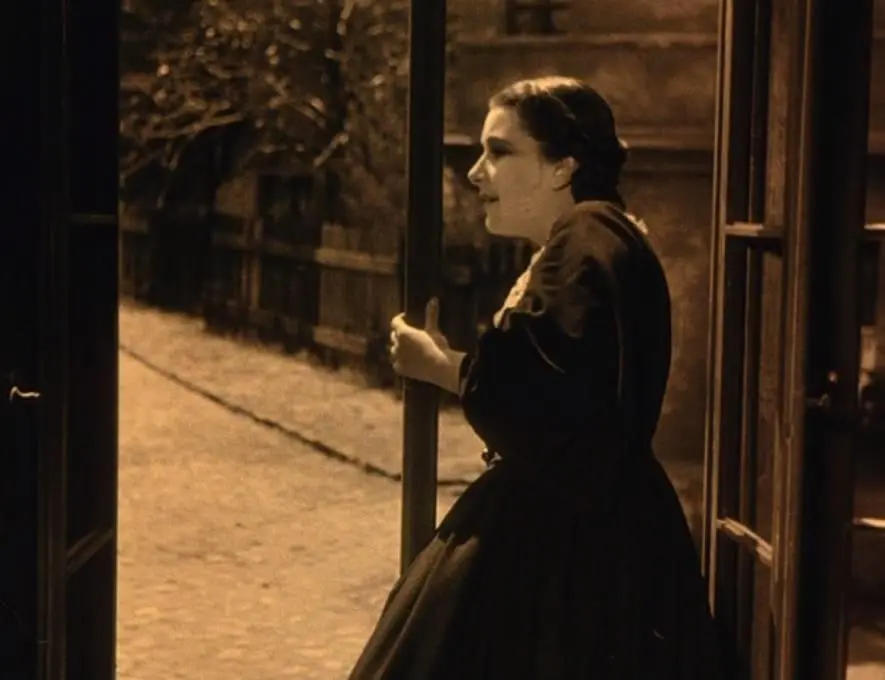
To understand the rebel spirit of cult cinema, we must journey back to its nascent roots, to an era where the very language of film was still being invented. The early 20th century was a wild west for filmmakers, a time of boundless experimentation largely unburdened by rigid genre conventions or studio formulas. Within this fertile chaos, the seeds of what would become cult cinema were inadvertently sown. Consider the sheer diversity and often bizarre premises of films from this period. From animated shorts like 'Why They Love Cavemen!' and 'The Ouija Board' hinting at early comedic and supernatural experimentation, to melodramas like 'The Little Duchess' and 'The Governor's Daughters' exploring social anxieties, the cinematic landscape was a fertile ground for the unexpected.

These early films, many now largely forgotten by mainstream history, often pushed boundaries simply by existing. A film like 'The Love Doctor,' with its audacious premise of brain transplantation for romantic gain, or the farcical misunderstandings in 'A Pair of Sexes,' demonstrates a willingness to engage with transgressive narratives and narrative anarchy that would later become hallmarks of cult status. The absence of a codified industry meant directors and producers were free to pursue eccentric visions, resulting in a rich cinematic underground before such a term even existed. These weren't necessarily created to be cult films, but their inherent oddity, their willingness to veer off the beaten path, laid the groundwork for future generations of cinephiles to unearth and revere them.
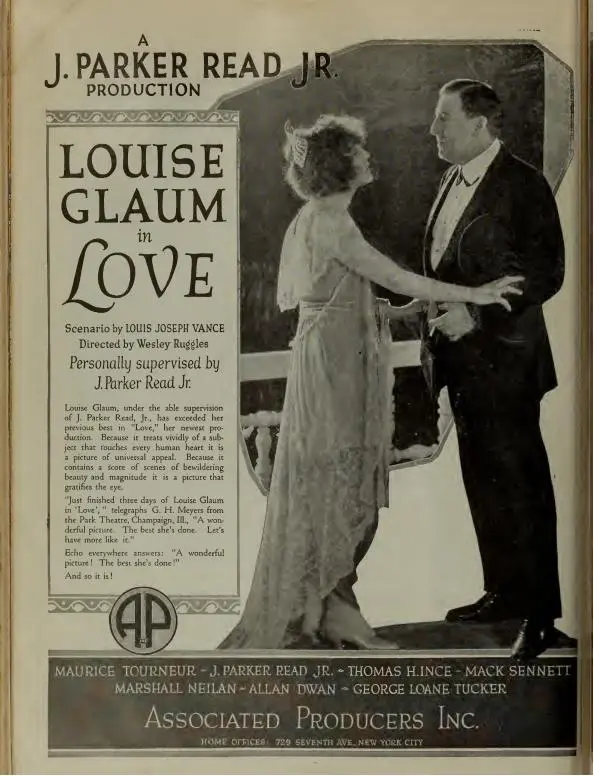
The period's often stark portrayal of human drama, as seen in 'Magdalene' or 'Der lebende Leichnam,' or the raw adventure of westerns like 'The Narrow Trail' and 'The Man from Painted Post,' offered a rawer, unfiltered glimpse into storytelling. While some films aimed for broad appeal, others, perhaps due to limited resources or idiosyncratic creative choices, ended up with a distinct, almost alien quality. This proto-cult DNA can be found in the sheer volume of films that dared to be different, that weren't afraid to be a little rough around the edges, or that simply told a story in a way no one else would. It's a testament to this era's vibrant, unregulated spirit that so many peculiar cinematic artifacts survived, waiting for a future audience to grant them their rightful place in the cult pantheon.

The Maverick Visionaries: Crafting Unconventional Narratives
What truly defines a cult film is often the singular, uncompromising vision behind it. These are the works of maverick directors and writers who, whether by design or accident, created something profoundly unique, often challenging the very fabric of conventional storytelling. Such films often initially struggle for mainstream acceptance, only to be embraced years later by a dedicated following. Think of the bold social commentaries implicit in films like 'Divorce and the Daughter' or 'Infidelity,' which tackled complex societal issues with a directness that could be unsettling for contemporary audiences. These were not always easy watches, but their willingness to confront uncomfortable truths or explore taboo subjects resonated with those seeking something beyond the superficial.

The unconventional narratives that underpin cult cinema often feature characters who are outsiders, rebels, or figures grappling with extreme circumstances. From the moral complexities of 'The Beggar of Cawnpore' to the dramatic sweep of 'Lady Hamilton,' these stories often explore the fringes of human experience. Even seemingly straightforward genres like comedy, as seen in 'The Water Plug' or 'Artless Artie,' could possess an underlying edge or absurdity that appealed to a specific niche audience. The humor might be dark, the characters deeply flawed, or the situations so bizarre that they transcended typical comedic fare.

The journey from initial obscurity to cult iconography is often paved with critical re-evaluation and the slow burn of word-of-mouth. Films that might have been dismissed as too strange, too violent, too explicit, or simply too different, gradually find their champions. The early adaptations of literary classics, such as 'Wuthering Heights,' could be viewed through a new lens, their dramatic intensity and passionate portrayals finding a deeper resonance with audiences hungry for emotional extremes. The subversive themes, the deliberate provocations, or even the accidental genius found in these films become the bedrock of their lasting appeal. They are films that dare to be unpopular, and in doing so, earn the fierce loyalty of those who feel equally out of step with the mainstream.

Beyond Initial Reception: The Power of Re-discovery
Many cult films were not born, but made, through the process of re-discovery. A film like 'The New Mission of Judex,' a continuation of a masked fighter series, might have been a popular serial in its day, but its appeal to modern cultists lies in its vintage charm, its pulpy aesthetic, and its place in cinematic history as an antecedent to superhero narratives. Similarly, the dramatic tension in 'Smashing Barriers' or 'To Have and to Hold' might have been standard fare, but their exaggerated storytelling and melodramatic flourishes are precisely what endear them to fans of genre-bending cinema and retro aesthetics. The beauty of the phantom archive is that it allows for this re-evaluation, granting new life and meaning to films that might otherwise have been relegated to footnotes.
The Midnight Movie Phenomenon: Forging Community and Ritual
The term 'cult film' is inextricably linked to the concept of the 'midnight movie.' Beginning in the 1970s, but with spiritual predecessors in earlier niche screenings, these late-night showings provided a sanctuary for films that didn't fit the daytime mold. It was in these darkened theaters, often filled with counter-cultural audiences, that films like those with proto-cult elements from the silent era could have theoretically found their earliest fervent adherents. Imagine audiences gathering to witness the strange antics of 'Mutt and Jeff in London' or the dramatic twists of 'The Senator,' finding collective amusement or profound connection in their shared experience.
The midnight movie was more than just a screening; it was a communal ritual. Audiences didn't just watch; they participated, shouting lines, dressing up, and creating an interactive experience that deepened their bond with the film and with each other. This sense of belonging, of finding your 'tribe' through shared cinematic taste, is a powerful draw. Films like 'Patsy' or 'Miss Nobody,' which might have explored themes of identity and belonging, could have unexpectedly resonated with audiences feeling alienated by mainstream culture. The very act of seeking out and celebrating these unseen gems creates a sense of exclusivity and shared discovery.
This cinematic underground thrives on passion, not profit. It’s a space where artistic integrity, however flawed or unconventional, is valued over commercial viability. The enduring appeal of cult films lies in their ability to foster a sense of ownership among their fans. These aren't just movies; they are shared secrets, badges of honor, and symbols of a collective identity. Whether it's the earnestness of 'Tender Memories' or the dramatic flair of 'Masks and Faces,' the films that achieve cult status become more than their original intent. They become catalysts for community, sparking discussions, fan art, and conventions that cement their place in the hearts of their devoted disciples.
The Power of Repeated Viewings and Deep Engagement
A hallmark of cult cinema is its re-watchability. These are films that reveal new layers with each viewing, offering hidden meanings, subtle nuances, or simply a deeper appreciation for their unique aesthetic. The complex character dynamics in 'Two Men and a Woman' or the historical sweep of 'Lady Hamilton' might be enjoyed on a superficial level initially, but repeated engagement allows for a more profound connection. Fans dissect every frame, analyze every line of dialogue, and immerse themselves in the film's world, transforming it from a passive viewing experience into an active, ongoing relationship. This deep engagement is what separates a mere fan from a cult devotee, and it’s a process that continues to fuel the undying allure of these cinematic treasures.
Why We Worship the Outcasts: The Psychology of Cult Appeal
The fascination with cult cinema goes beyond mere entertainment; it taps into deeper psychological needs. For many, these films offer an escape from the polished, predictable narratives of mainstream Hollywood. They provide a space for the bizarre, the grotesque, the challenging, and the profoundly human, often reflecting the complexities and anxieties of the human condition in ways more conventional films dare not. The rebel heart of these movies speaks to those who feel themselves to be outsiders, offering a sense of validation and belonging.
There's also the thrill of discovery. Unearthing a forgotten gem like 'Camping Out' or a film with a quirky premise like 'A Very Good Young Man' feels like finding a secret treasure. This sense of personal connection, of having an affinity for something obscure, fosters a deep loyalty. The transgressive spirit of many cult films also serves as a cathartic release, allowing audiences to confront societal taboos, explore dark fantasies, or simply laugh at the absurdity of existence without judgment. Films that push boundaries, whether through explicit content or challenging ideology, often attract audiences eager to engage with forbidden ideas.
Furthermore, cult films often possess a unique aesthetic or stylistic flair that sets them apart. Whether it's the gritty realism of a drama like 'On Our Selection' or the fantastical elements implied by films like 'Die Heimkehr des Odysseus,' these visual and narrative signatures become part of their enduring identity. This distinctiveness makes them memorable and provides fertile ground for endless discussion and interpretation among film enthusiasts. The very imperfections or low-budget constraints of some early films, such as 'More Trouble' or 'Trouble,' can even become part of their charm, lending them an authenticity that polished productions often lack. It's this raw, unfiltered quality that often resonates most deeply with cult audiences.
The Iconoclastic Drive: Celebrating the Unorthodox
Ultimately, the enduring power of cult cinema lies in its iconoclastic drive. It's a celebration of the unorthodox, a testament to the idea that true artistic merit isn't always found in box office receipts or critical consensus. It's found in the hearts and minds of those who connect deeply with a film, who see themselves reflected in its strange beauty, its defiant spirit, or its profound message. Films like 'You Can't Believe Everything' or 'A Motion to Adjourn' might have been niche stories in their time, but their ability to spark conversation and challenge perceptions is precisely what allows them to transcend their era and become cherished relics of the cinematic underground.
Conclusion: The Unfolding Legacy of Cult Cinema
The phantom archive of cult cinema is not a dusty, forgotten corner of film history, but a living, breathing entity, constantly being re-discovered and re-interpreted by new generations of fans. From the early, experimental days of cinema, where films like 'Twin Bed Rooms' or 'The Squatter and the Clown' existed as unique artifacts, to the modern era of digital access and global fandom, the allure of the unconventional remains potent. These maverick films, with their subversive narratives and rebel hearts, continue to challenge, provoke, and inspire, proving that true cinematic power often lies not in broad appeal, but in the fierce, unwavering devotion of a dedicated few. The revelation is clear: cult cinema is not just a genre; it's a movement, an enduring testament to the boundless creativity of filmmaking and the human desire for stories that dare to be different.
Community
Comments
Log in to comment.
Loading comments…