
Cult Cinema
The Slow Burn Revelation: How Overlooked Films Ignite Lifelong Fandoms and Shape Culture

“Cult cinema thrives in the shadows of mainstream success, finding its true audience years, or even decades, after its initial release. This article delves into the unique magnetism of these unconventional films, exploring how they defy easy categorization and forge deep, lasting connections with dev…”
In the vast, ever-expanding galaxy of cinema, some stars burn brightly for a fleeting moment, dominating the box office and critical discourse before fading into memory. Then there are the celestial bodies that defy such easy trajectories – films that might initially be dismissed, misunderstood, or simply overlooked, only to slowly, steadily, accumulate a gravitational pull all their own. These are the cult films, the cinematic anomalies that refuse to be forgotten, gathering fervent devotees and shaping cultural landscapes in ways their creators might never have imagined. Far from being mere curiosities, cult films represent a powerful, often subversive, undercurrent in film history, a testament to the enduring human need for connection, meaning, and a touch of the extraordinary.
The Unconventional Genesis: From Margins to Mainstay
What defines a cult film? It’s not necessarily critical acclaim, nor commercial success, though some eventually achieve both. Rather, it’s an indefinable quality that sparks an intense, passionate, and often communal devotion in its audience. These films often exist on the fringes, challenging conventions, pushing boundaries, or simply being too idiosyncratic for broader appeal. Consider the early days of cinema, a fertile ground for experimentation and narrative exploration. Even then, amidst the burgeoning industry, films emerged that hinted at this future phenomenon.

The silent era, a period of immense creative freedom before the rigid structures of Hollywood’s Golden Age, produced countless works that, in retrospect, bear the hallmarks of what we now call cult cinema. Films like A Hoosier Romance or Just a Woman, though perhaps not overtly transgressive by modern standards, explored themes of societal struggle, personal endurance, and unconventional love with a raw emotional honesty that could resonate deeply with specific viewers. These were stories of ordinary people facing extraordinary circumstances, often with a dramatic flair that invited repeat viewing and discussion among those who connected with their plight.
Other films, like the adventurous Rouletabille chez les bohémiens or the strongman mystery Maciste und die Javanerin, showcased unique characters and fantastical narratives that stood apart from the everyday. They offered escapism, spectacle, and a distinct flavor that could captivate niche audiences, laying the groundwork for the more overt genre-bending and stylistic eccentricities that would define later cult classics. Even short comedies like Hands Up or All Wet, with their physical humor and often absurd situations, could foster a specific kind of appreciation, celebrated for their unique brand of entertainment.

Characteristics of the Cult Canon: A Rebel's Blueprint
Cult films share a fascinating, if sometimes contradictory, set of characteristics that distinguish them from the mainstream. They are often defined by their refusal to conform, their distinctive aesthetic, and their ability to tap into a collective subconscious.
Transgression and Taboo-Breaking Narratives
Many cult films gain their notoriety by boldly venturing where mainstream cinema fears to tread. They confront uncomfortable truths, explore taboo subjects, or simply present narratives that challenge prevailing moral codes. The Moral Code, for instance, a drama from the early 20th century, tackled complex social issues surrounding family honor, marriage, and personal sacrifice. While not explicitly 'shocking' by today's standards, its examination of a man marrying a pregnant woman to protect his brother's reputation, only for her to continue her 'loose ways,' surely stirred conversation and perhaps discomfort in its original audience, marking it as a film that dared to explore moral ambiguity.

Similarly, films like The Heart of a Woman, depicting the brutal realities faced by a woman married to a 'bestial foundry man,' offered a stark, unflinching look at domestic struggle. Such raw portrayals of human suffering and resilience, far from being universally palatable, find their most ardent supporters among those who appreciate their stark realism and emotional depth. These aren't films designed to please everyone; they are designed to provoke, to engage, and to linger long after the credits roll.
Genre Defiance and Aesthetic Uniqueness
Another hallmark of cult cinema is its propensity for genre-bending or outright genre defiance. These films often refuse easy categorization, blending elements in unexpected ways or creating entirely new cinematic languages. West of Chicago, a drama-western, exemplifies this fusion, weaving together elements of two distinct genres to tell a unique story of intrigue and ranch management. The inherent tension between established genre tropes and fresh narrative approaches often makes these films stand out.
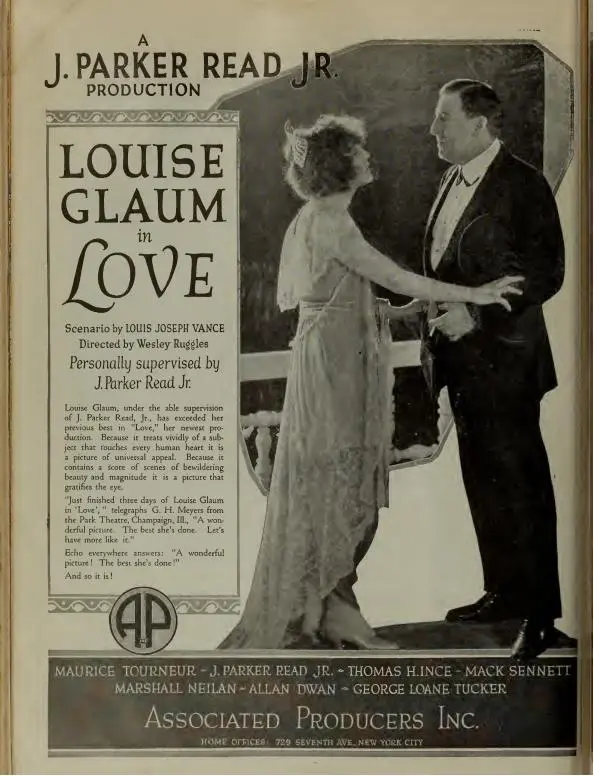
Beyond genre, a distinct aesthetic or directorial vision can elevate a film to cult status. Whether it's the visual inventiveness of a silent-era classic like Die Silhouette des Teufels (The Silhouette of the Devil), with its potentially expressionistic leanings, or the unique cultural snapshot offered by No País das Amazonas (In the Country of the Amazons), a documentary that transcends its informational purpose to become a compelling piece of ethnographic art, these films possess a visual or narrative signature that is unmistakably their own. Even a seemingly simple film like An Alpine Tragedy, with its dramatic premise of an infant found in the snow, presents a unique narrative hook that sets it apart.
Emotional Resonance and Niche Appeal
Perhaps the most crucial ingredient for a cult film is its ability to resonate deeply with a specific, often underserved, audience. These are films that speak to the alienated, the misunderstood, or those who simply seek something beyond the conventional. Stories of unconventional love, like The Beloved Impostor or The Fugitive, where obstacles and societal disapproval are overcome by passion, can strike a chord with viewers who feel their own experiences are outside the norm. These films provide a sense of validation and belonging.

The struggles depicted in films like Restless Souls, where characters grapple with the conflict between wealth and love, or Secret Strings, involving marital deceit and hidden motives, touch upon universal human dilemmas in ways that feel authentic and personal to their devotees. Even early short comedies such as Run 'Em Ragged or The Donkey Did It, with their absurdist humor and quirky characters, might have found a dedicated following among those who appreciated their particular brand of escapism and lighthearted rebellion.
The Cult Audience: A Collective Act of Discovery and Devotion
A film cannot become a cult classic without its audience. Unlike mainstream blockbusters, which are often consumed passively, cult films demand an active, participatory form of viewership. This engagement often manifests in ritualistic repeat viewings, memorized dialogue, elaborate fan theories, and a strong sense of community among enthusiasts.

The journey of a cult film from obscurity to icon is often a slow burn, fueled by word-of-mouth and grassroots appreciation. A film might premiere to indifference, only to be rediscovered years later, perhaps through late-night television screenings, video rentals, or the internet. This process of discovery is a vital part of the cult experience, giving fans a sense of ownership and belonging to a 'secret society' of discerning viewers.
Consider the simple yet profound joy of discovering a forgotten gem like The Six Best Cellars, a silent comedy that satirizes Prohibition-era social dynamics. Its clever premise and period-specific humor might not have appealed to everyone at the time, but for those who found it, it offered a unique window into a bygone era, appreciated for its wit and historical context. This act of unearthing a cinematic treasure, far from the critical mainstream, fosters a deeper connection.

The community aspect is equally important. Fans of cult films often gather, physically or virtually, to celebrate their shared passion. They dissect every frame, interpret every nuance, and create a rich tapestry of lore around the film. This collective experience transforms passive viewing into an active ritual, where the film becomes a catalyst for social interaction and identity formation. Even a short film featuring a beloved figure, like Play Ball with Babe Ruth, can become a cult item for sports enthusiasts and cinephiles alike, fostering a unique blend of fandom around its historical significance.
The Enduring Legacy: Shaping Perceptions and Influencing Art
The impact of cult cinema extends far beyond its dedicated fan base. These films, by virtue of their unconventional nature and the passionate discourse they generate, often leave an indelible mark on the broader cinematic landscape and popular culture. They challenge the status quo, expand the definition of what cinema can be, and inspire new generations of filmmakers and artists.

A film that initially seemed 'weird' or 'too much' can, over time, become a touchstone. Themes and stylistic choices once considered radical become influential, paving the way for future innovations. The raw emotionality of dramas like The Padre or The Town That Forgot God, which explored spiritual and moral dilemmas, may have pushed boundaries in their era, gradually shifting audience expectations for dramatic storytelling. Similarly, the exotic adventures in films like Under Two Flags or Arms and the Girl, while mainstream for their time, might have cultivated a taste for more daring narratives that would later find expression in cult action and adventure films.
Cult films remind us that artistic merit is not solely determined by initial reception or commercial success. Some of the most profound and influential works of art were initially misunderstood. The very act of a film becoming a cult classic is a democratic process, driven by the audience rather than by critics or studios. It's a testament to the power of individual taste and the collective will of a community to champion what they love.
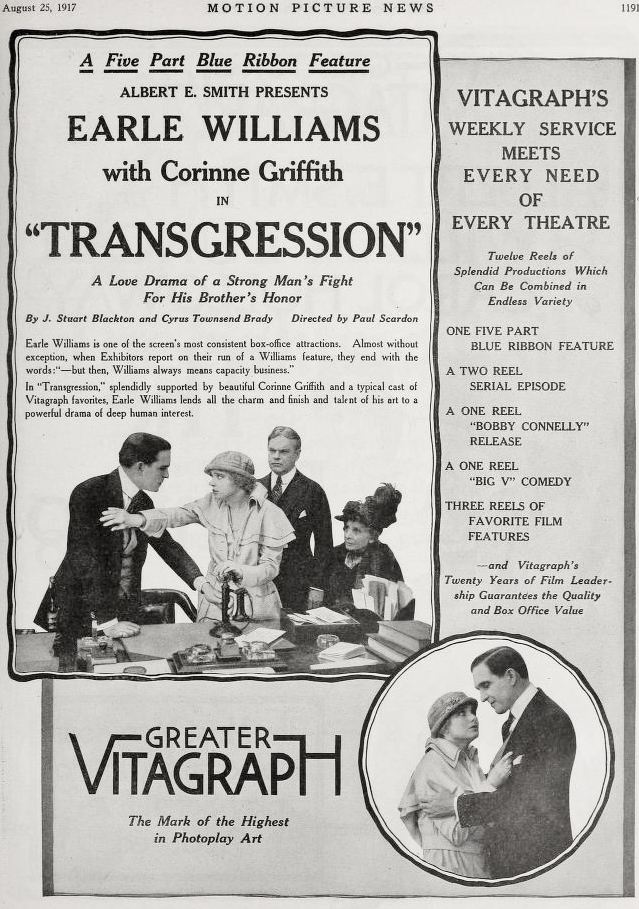
From the earliest silent features, like the dramatic Rose of the Alley and The Banker's Daughter, which explored social strata and personal redemption, to the more overtly strange short comedies such as Call for Mr. Caveman or Wild Waves and Angry Woman, each film, in its unique way, contributes to the rich tapestry of cinematic history. These films, regardless of their initial fate, possess a certain magnetism that allows them to defy the passage of time, continually drawing in new converts and deepening the devotion of long-time followers.
The Unfolding Mystery: Why We Keep Coming Back
The enduring allure of cult cinema lies in its ability to offer something more than just entertainment. It provides an alternative perspective, a challenge to conventional narratives, and a space for shared passion. These films are often deeply personal experiences, resonating with individuals on a profound level, making them feel seen and understood.
Whether it's the intriguing mystery of Apartment 29, the dramatic twists of Vagabond Luck, or the poignant struggles in His Last Dollar, each film, even those from the nascent days of cinema, holds the potential to become a 'slow burn revelation.' They are not always perfect, sometimes flawed, but their imperfections often become part of their charm, inviting deeper analysis and affectionate critique from their fans. The journey from obscurity to iconic status is often unpredictable, a testament to the organic, evolving nature of cultural appreciation.
In an era of endless content and fleeting trends, cult films stand as steadfast monuments to the power of singular artistic vision and the unbreakable bonds of shared obsession. They remind us that true art often finds its audience not through aggressive marketing or universal appeal, but through a quiet, almost secret, process of discovery and enduring love. They are the cinematic underground, perpetually thriving, perpetually inviting new initiates into their enigmatic embrace, proving that sometimes, the greatest treasures are found not in the spotlight, but in the shadows, waiting patiently for their moment to ignite.
Community
Comments
Log in to comment.
Loading comments…