
Cult Cinema
The Celluloid Outlaw’s Genesis: How Early Genre Deviants and Forgotten Misfits Invented the Midnight Soul
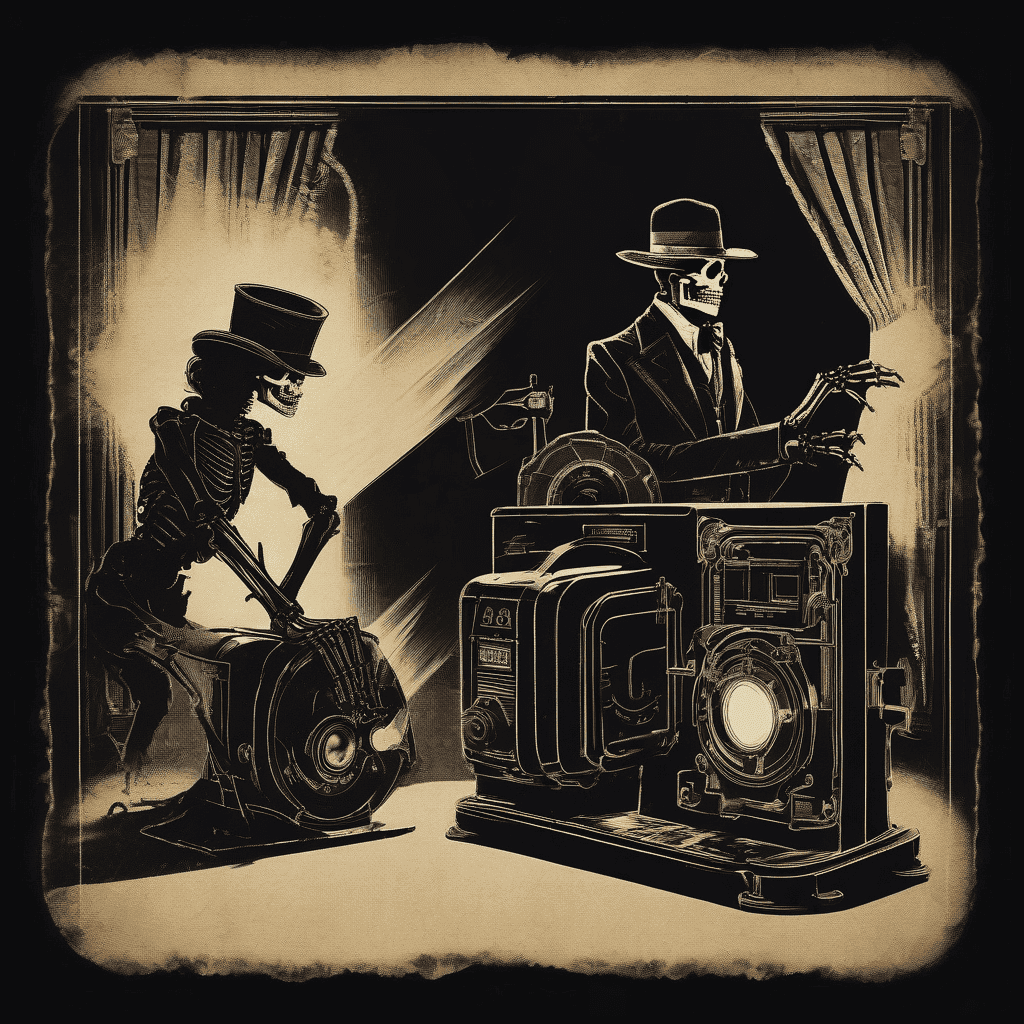
“Explore the hidden foundations of cult cinema through the lens of early 20th-century genre experiments, where silent era misfits and narrative rebels first ignited the flame of obsessive fandom.”
The history of cinema is often written by the winners—the blockbusters that shattered records and the prestigious dramas that swept early awards ceremonies. However, beneath the polished surface of Hollywood’s golden age lies a darker, more eccentric lineage: the cult movie. Long before the term 'midnight movie' was coined in the smoky theaters of the 1970s, the seeds of cinematic obsession were being sown in the silent era. These were the films that dared to be different, the narratives that embraced the fringe, and the visual experiments that defied the status quo. To understand the modern cult phenomenon, we must look back at the early genre deviants—the outlaws, the fops, the Faustian bargainers, and the masked vigilantes who first captured the collective imagination of the unconventional viewer.

The Faustian Fever: Satan’s Rhapsody and the Visual Avant-Garde
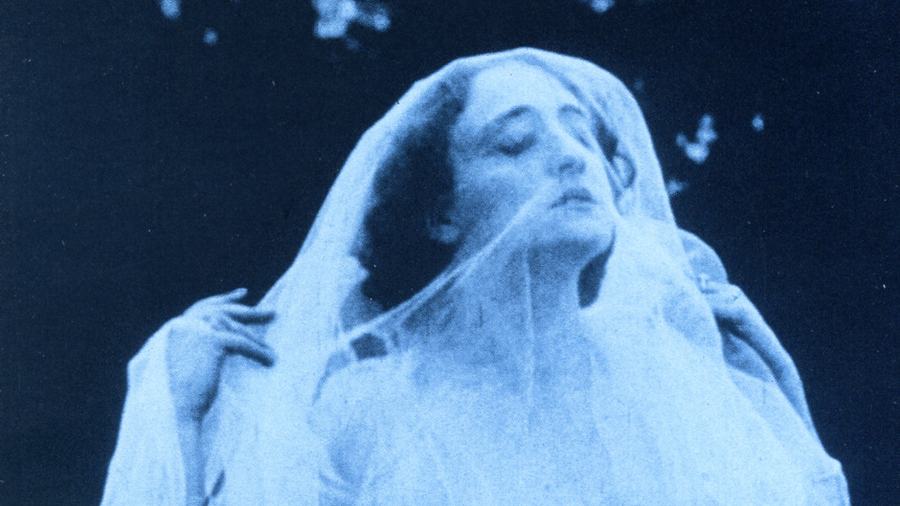
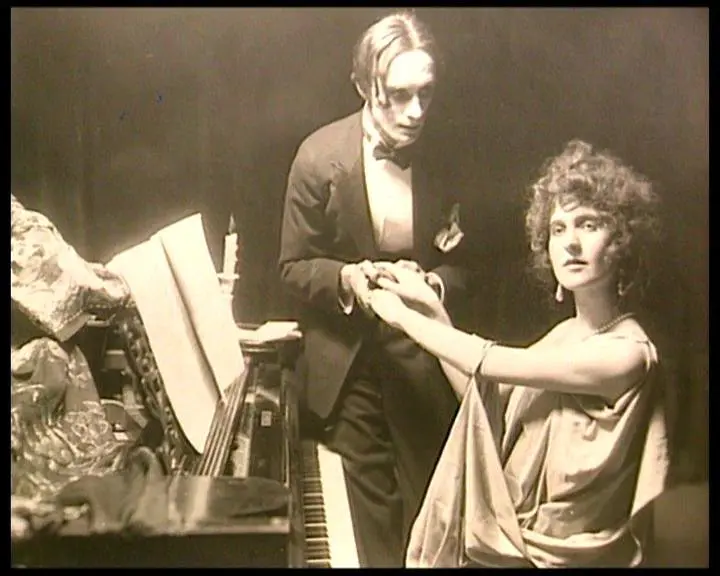
One cannot discuss the origins of cult aesthetics without invoking the spectral brilliance of Satan's Rhapsody (1917). This Faustian tale, centered on an old woman’s pact with Mephisto to regain her youth, represents the quintessential cult impulse: the rejection of natural law in favor of supernatural desire. In the early 20th century, such themes were not merely plot points; they were radical departures from the mundane reality of industrial life. The visual language of Satan's Rhapsody—with its heavy shadows and melodramatic posturing—prefigured the Gothic sensibilities that would later define cult classics like The Rocky Horror Picture Show or The Crow. The pact, requiring the protagonist to eschew love, creates a tragic tension that resonates with the 'outsider' archetype that cult audiences adore.
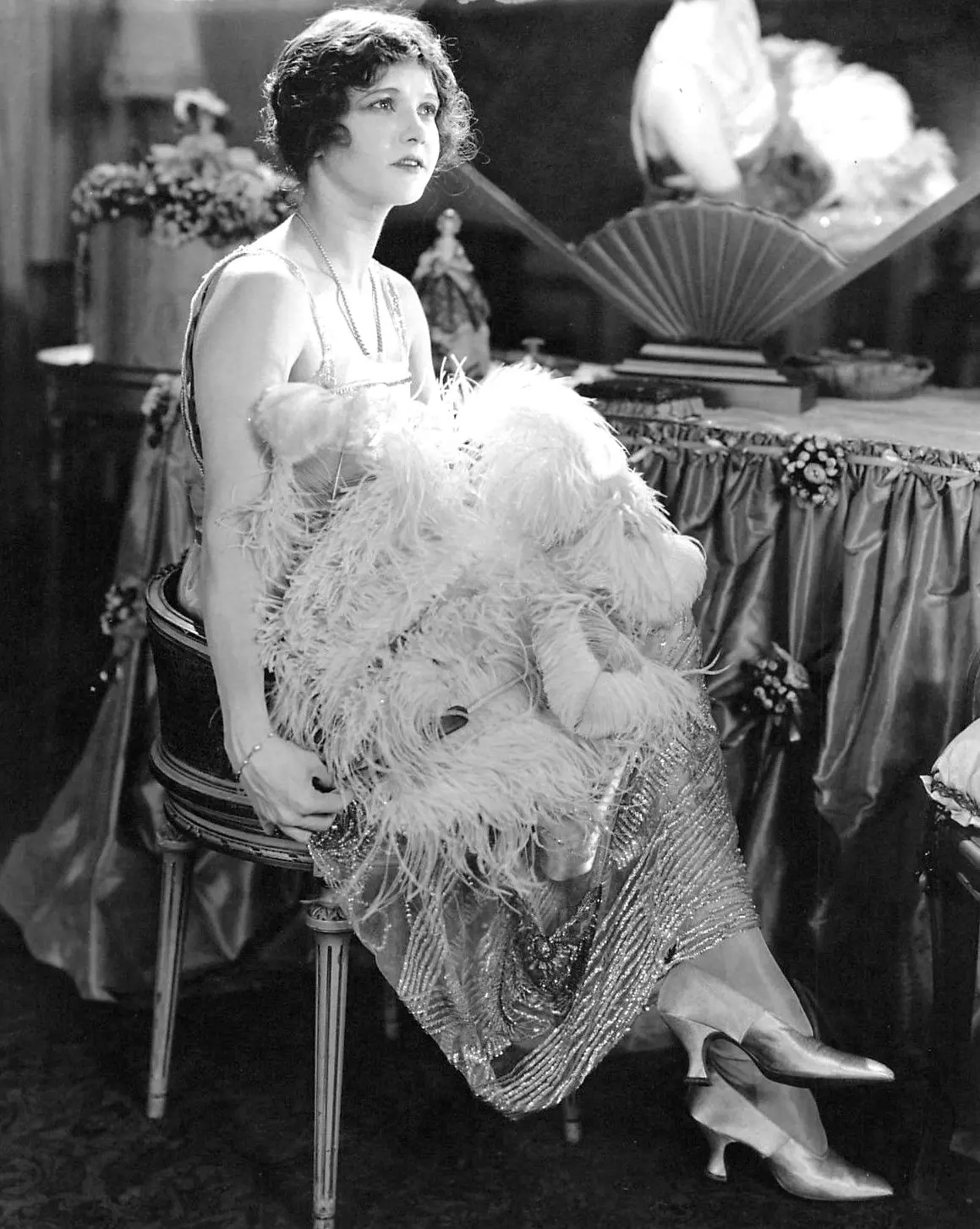
Similarly, the early 20th century saw a fascination with the macabre that would eventually evolve into the horror-cult subgenre. Films like Die Tophar-Mumie tapped into a primal curiosity about the ancient and the forbidden. These weren't just stories; they were experiences designed to provoke a physical reaction—a shudder, a gasp, a moment of profound unease. This 'visceral cinema' is the bedrock of cult devotion, where the audience seeks a connection that transcends mere storytelling.
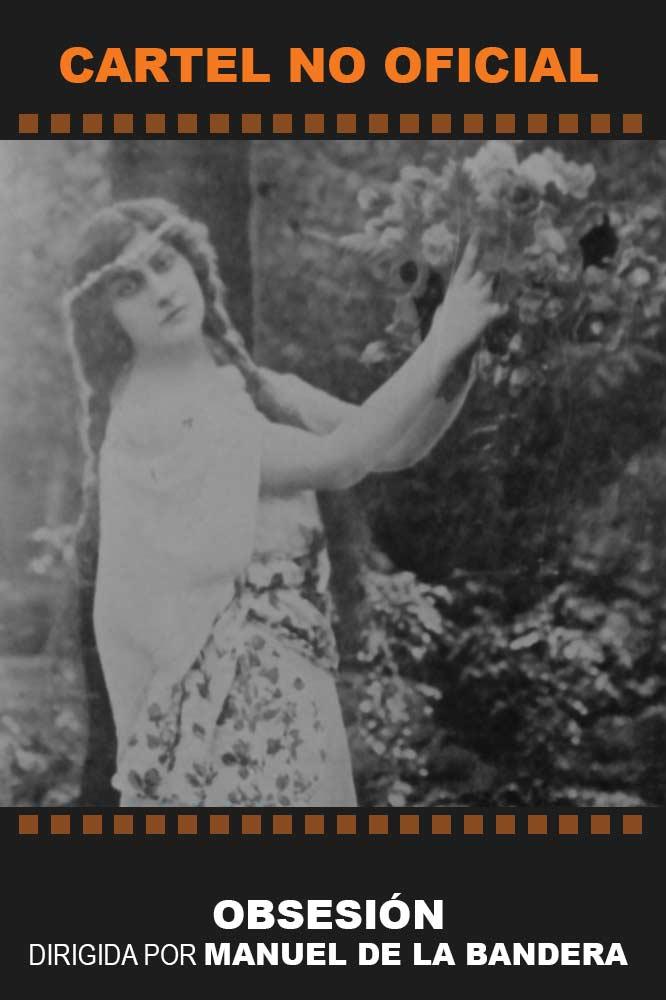
Western Noir and the Masked Avenger: The Crimson Skull and Zorro
Cult cinema has always thrived on the subversion of established genres. Take, for instance, the 1922 curiosity The Crimson Skull. While on the surface it appears to be a standard Western, it incorporates elements of action, mystery, and the bizarre. The image of a cowhand donning a skeleton costume to strike fear into a gang of outlaws is pure cult iconography. It is a moment of performative madness that separates the film from its more straight-laced contemporaries. This blend of the mundane (cattle rustling) with the surreal (a skeletal rider) is the exact type of genre-bending that modern cult fans celebrate in films like Buckaroo Banzai or El Topo.
Then there is the archetype of the dual identity, most famously realized in The Mark of Zorro (1920). Douglas Fairbanks’ portrayal of Don Diego Vega—a seemingly idiotic fop who is secretly the courageous vigilante Zorro—established a template for the cult hero. The 'fop' persona is a deliberate subversion of traditional masculinity, a mask that allows the hero to operate on the fringes of a corrupt society. This theme of the hidden self, the rebel hiding in plain sight, is a recurring motif in cult cinema, appealing to those who feel they must mask their own true natures in the face of societal pressure.
Social Fractures: Extravagance and the Nouveau-Riche Nightmare
Cult cinema is often deeply political, even when it appears to be simple melodrama. Early films like Extravagance (1921) and Home (1919) explored the rot beneath the surface of the rising middle and upper classes. In Extravagance, a simple purchase—a sable coat—becomes the catalyst for a marriage’s collapse. This focus on the destructive power of material desire reflects a cynicism that would later become a hallmark of cult directors like John Waters or Todd Solondz. These films didn't just depict society; they critiqued its fundamental values.
In Home, the protagonist returns from Europe to find her family transformed into caricatures of the 'nouveau-riche.' The father is a club-dwelling ghost, the mother a social climber. This depiction of the domestic sphere as a site of alienation and grotesque vanity is a powerful precursor to the suburban nightmares of David Lynch. Cult audiences have always been drawn to films that peel back the wallpaper of 'normalcy' to reveal the decay underneath. The Education of Mr. Pipp (1914) follows a similar trajectory, mocking the desperate scramble for social status that defined the era. These films were the 'counter-culture' of their day, providing a satirical mirror to a world obsessed with wealth and prestige.
The Houdini Effect: The Grim Game and Physical Transgression
A major pillar of cult cinema is the spectacle of the impossible. The Grim Game (1919), starring Harry Houdini, is a masterclass in the cinema of physical transgression. Jailed unjustly, Houdini’s character uses his legendary powers of escape to pursue his captors. The film’s appeal lies not in its narrative complexity, but in the sheer audacity of its stunts. Cult cinema often prioritizes the 'moment'—the singular, breathtaking image or feat—over the cohesion of the whole. The sight of Houdini dangling from an airplane or escaping from chains provided a visceral thrill that early audiences returned to see again and again, marking the birth of the 'repeat viewer' culture.
This focus on the physical also manifests in the early comedies of the era. Short films like Ambrose's Bungled Bungalow and The Conquering Hero utilized slapstick not just for laughs, but as a form of anarchic rebellion against the physical world. In The Anvil Chorus, the image of brothers 'playing ball with an anvil' is a surrealist touch that pushes comedy into the realm of the absurd. This lineage of the absurd can be traced directly to the cult comedies of the Monty Python era and beyond.
Global Fringe: Anna-Liisa and the Weight of Confession
The cult impulse is not limited to American or Western European shores. Anna-Liisa (1922), a Finnish drama, explores themes of guilt, societal expectation, and public confession. When Anna-Liisa confesses a past crime on the day of her engagement announcement, it is a moment of radical honesty that shatters the social fabric. This type of 'heavy' drama—unflinching and emotionally raw—often finds a home in the cult canon. It appeals to a niche audience that values authenticity over escapism. The film's willingness to dwell in the uncomfortable spaces of human morality is a trait shared by many modern cult favorites, from the works of Lars von Trier to the intense character studies of the 1970s.
The exploration of 'fallen women' and social outcasts was a recurring theme in films like Wild Sumac (1917) and The Flame of the Yukon (1917). These characters—dance hall girls, fugitives, and prisoners of circumstance—are the spiritual ancestors of the 'bad girls' and 'rebels without a cause' that would later dominate the cult landscape. They represent a defiance of traditional morality, living by their own rules in a world that seeks to marginalize them.
The Detective as Cult Icon: Sherlock Holmes and Miss Clever
Mystery and the pursuit of the 'unseen' are fundamental to the cult experience. The 45 silent shorts of The Adventures of Sherlock Holmes (1920-23) helped codify the detective as a cult figure—an intellectual outsider who sees what others miss. The obsession with detail, the eccentric habits, and the specialized knowledge of Holmes are traits that mirror the cult fan’s own engagement with their favorite films. We are all detectives when we watch a cult movie, searching for hidden meanings, Easter eggs, and obscure references.
Furthermore, the introduction of the 'woman detective' in Das Geheimschloss (1914) with Miss Clever showed an early willingness to subvert gender roles in the pursuit of justice. This proto-feminist streak is another vital component of the cult DNA. Whether it’s the secret agent in The Hand of Peril (1916) or the courageous daughters in Take Next Car (1916), early cinema frequently showcased women who were more than mere damsels in distress. They were active participants in their own destinies, a characteristic that remains central to the appeal of cult icons like Ellen Ripley or Sarah Connor.
The Legacy of the Misfit: Why We Still Watch
Why do we continue to be fascinated by these century-old reels? It is because they represent the purest form of cinematic risk. In the early days of the medium, the rules were still being written. Filmmakers were free to experiment with tone, genre, and morality in ways that modern studio systems often forbid. A film like The Blacklist (1916), based on the Colorado miners' strike, was a daring piece of social commentary that wouldn't have been out of place in a 1960s underground film festival. The Hidden Spring (1917) and Winner Takes All (1918) tackled corporate greed and the struggle of the common man with a grit that prefigured the 'New Hollywood' movement.
The cult movie is, at its heart, a celebration of the anomaly. It is for the viewer who prefers the strange logic of Satan's Rhapsody over the predictable beats of a standard romance. It is for the fan who finds more truth in the skeleton-costumed hero of The Crimson Skull than in the polished protagonists of the mainstream. These early films—from the comedic chaos of Pretty Lady (1922) to the maritime survivalism of Souls Adrift (1917)—remind us that cinema has always been a place for the outsiders, the dreamers, and the deviants.
As we move further into the digital age, the 'midnight soul' of these silent masterpieces remains more relevant than ever. They remind us that the fringes are where the most interesting things happen. They teach us that a film doesn't need a massive budget or a global marketing campaign to become a part of our collective soul; it only needs a vision that is uncompromisingly, unapologetically its own. The cult of the unusual started here, in the flickering shadows of the silent era, and its flame shows no sign of extinguishing.
Community
Comments
Log in to comment.
Loading comments…