
Cult Cinema Deep Dive
The Deviant’s Doctrine: Decoding the Primal Magnetism of Cinema’s Early Misfit Masterpieces
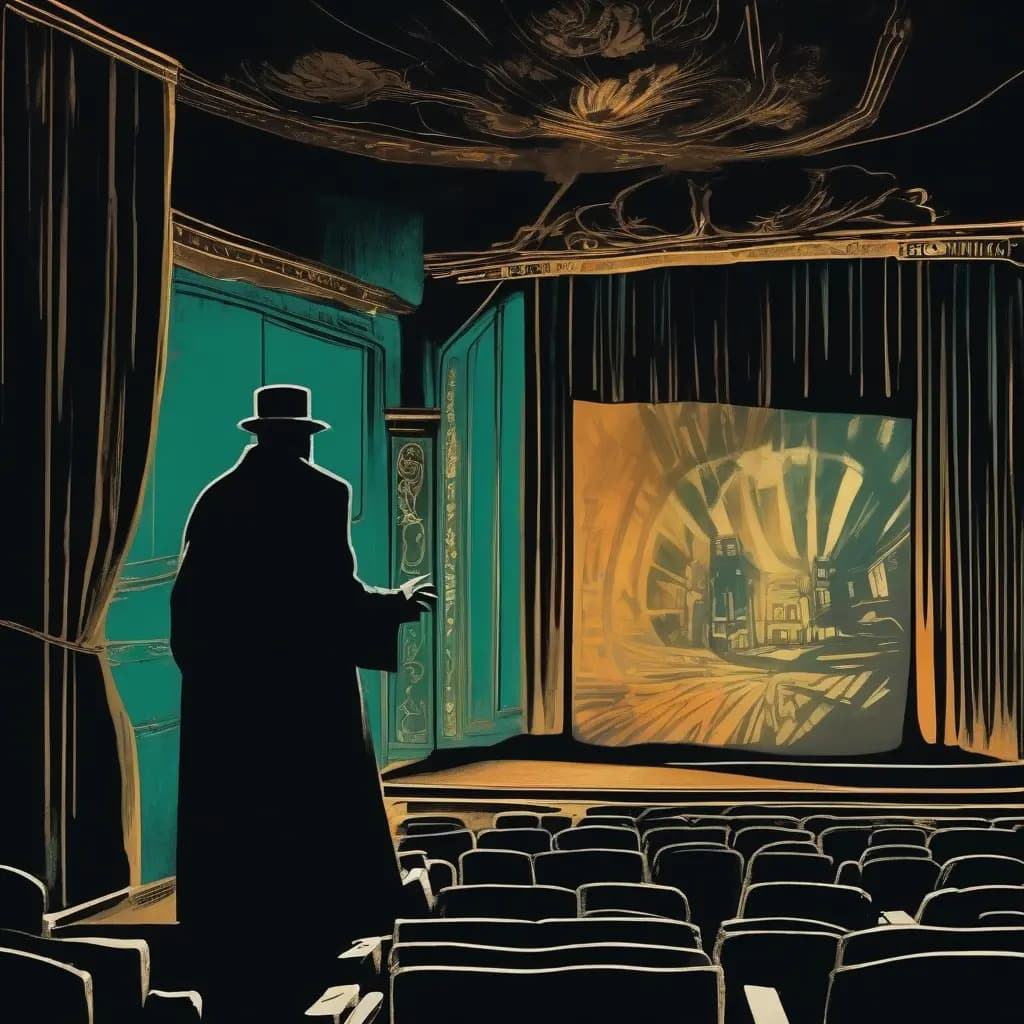
“An exploration of how the silent era's most daring experiments and social outcasts laid the foundation for the modern cult cinema phenomenon.”
Before the term cult cinema was ever whispered in midnight screenings or etched into the annals of film theory, there existed a wild, untamed frontier of celluloid rebellion. This was an era where the rules of narrative were being written—and frequently set on fire—by visionaries who cared little for the burgeoning industrial standards of Hollywood or the rigid morality of the early 20th century. To understand the modern obsession with the strange, the transgressive, and the misunderstood, we must look back to the misfit masterpieces of the silent and early sound eras. These films, often lost to time or relegated to the fringes of history, contain the genetic blueprint for every midnight movie that has followed.
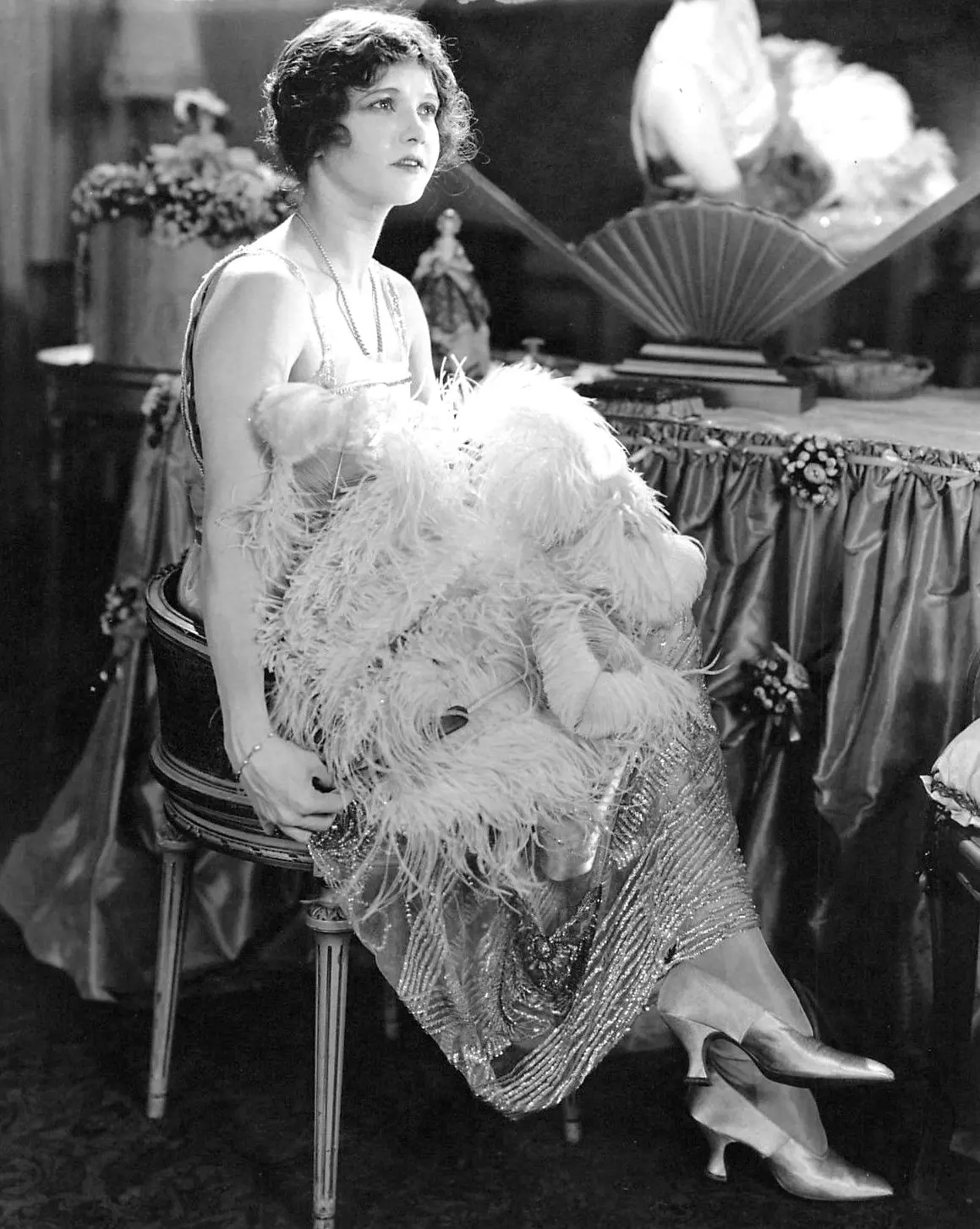
The Gorilla with a Human Brain: The Birth of Genre Anarchy
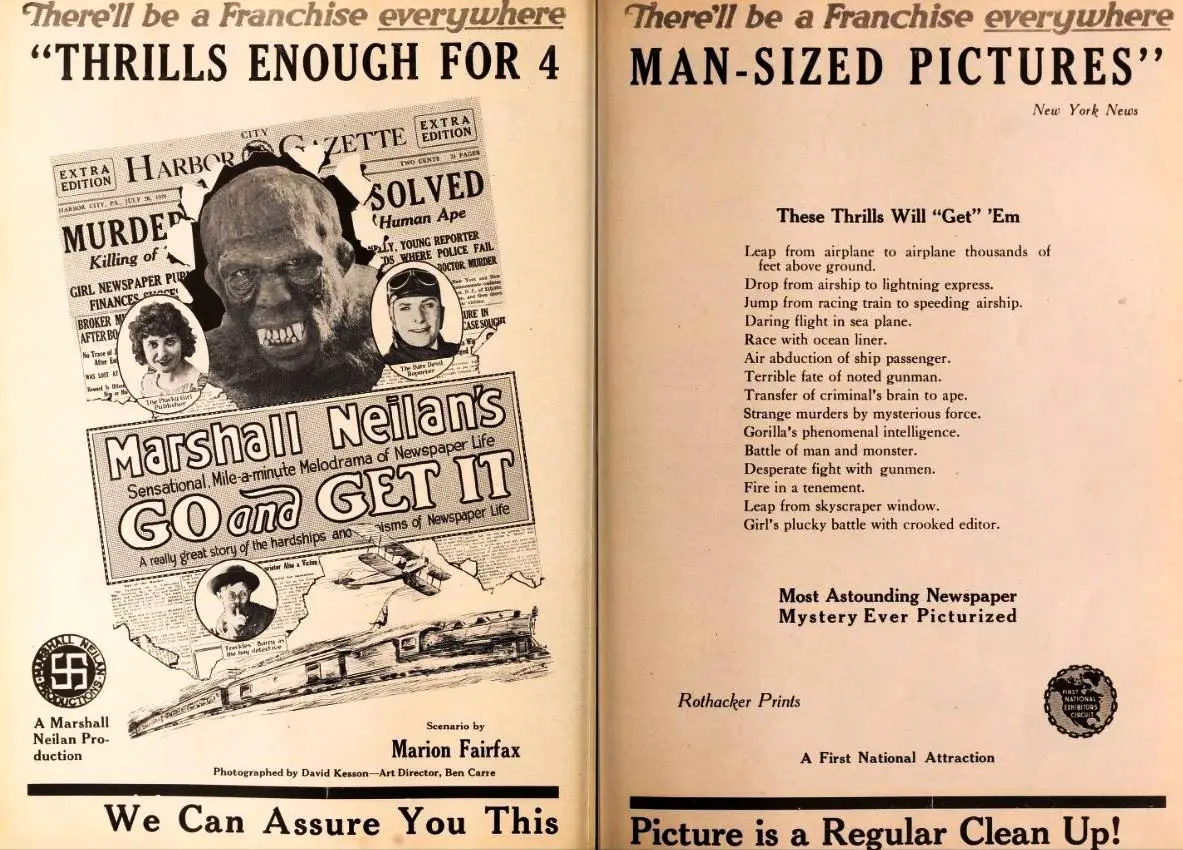
Perhaps no film better encapsulates the proto-cult spirit than the 1920 curiosity Go and Get It. While mainstream audiences were acclimating to linear westerns and parlor dramas, this film offered a dizzying cocktail of investigative journalism and high-concept sci-fi horror. The plot—revolving around an intrepid reporter solving murders committed by a gorilla carrying a transplanted human brain—is a masterclass in the kind of narrative audacity that defines cult status. It is precisely this refusal to adhere to a single tone that makes it a pioneer. It paved the way for the genre-bending lunacy of later decades, proving that the "weird" has always had a home on the silver screen.
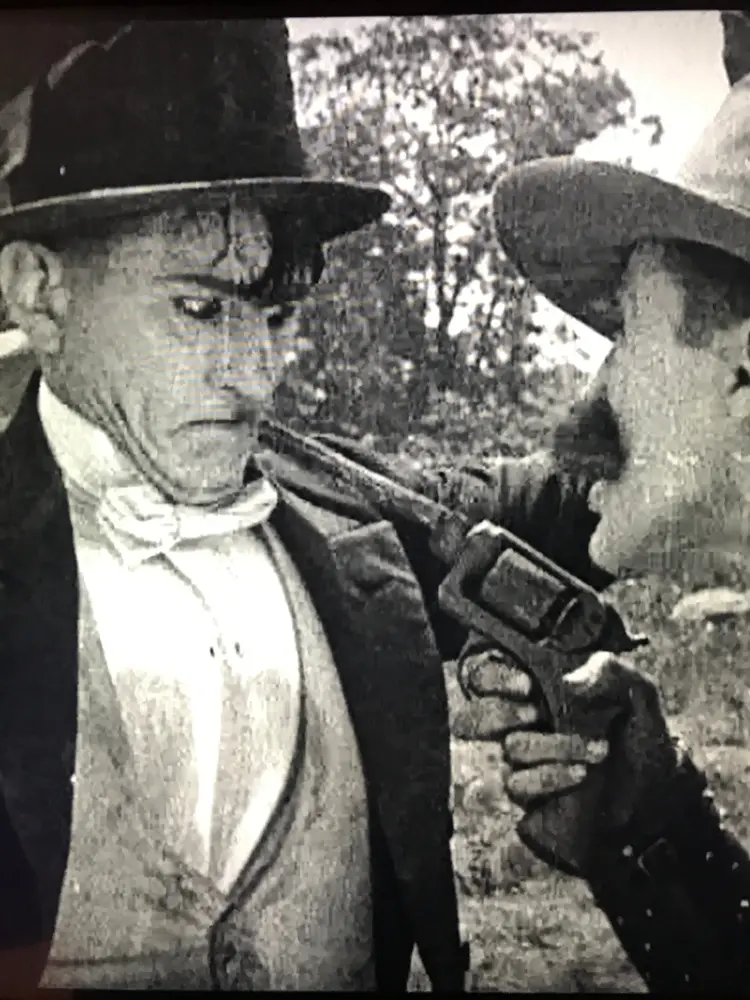
This same spirit of experimentation can be found in Strandhugg på Kavringen, a 1923 piece that blurs the lines between fantasy, comedy, and domestic drama. When Silas is sent by his wife to buy fish and ends up in a surreal odyssey, the film abandons the safety of the mundane for something far more mercurial. This is the essence of the cult experience: a journey that starts in a recognizable reality but quickly veers into the idiosyncratic and the phantasmagoric.
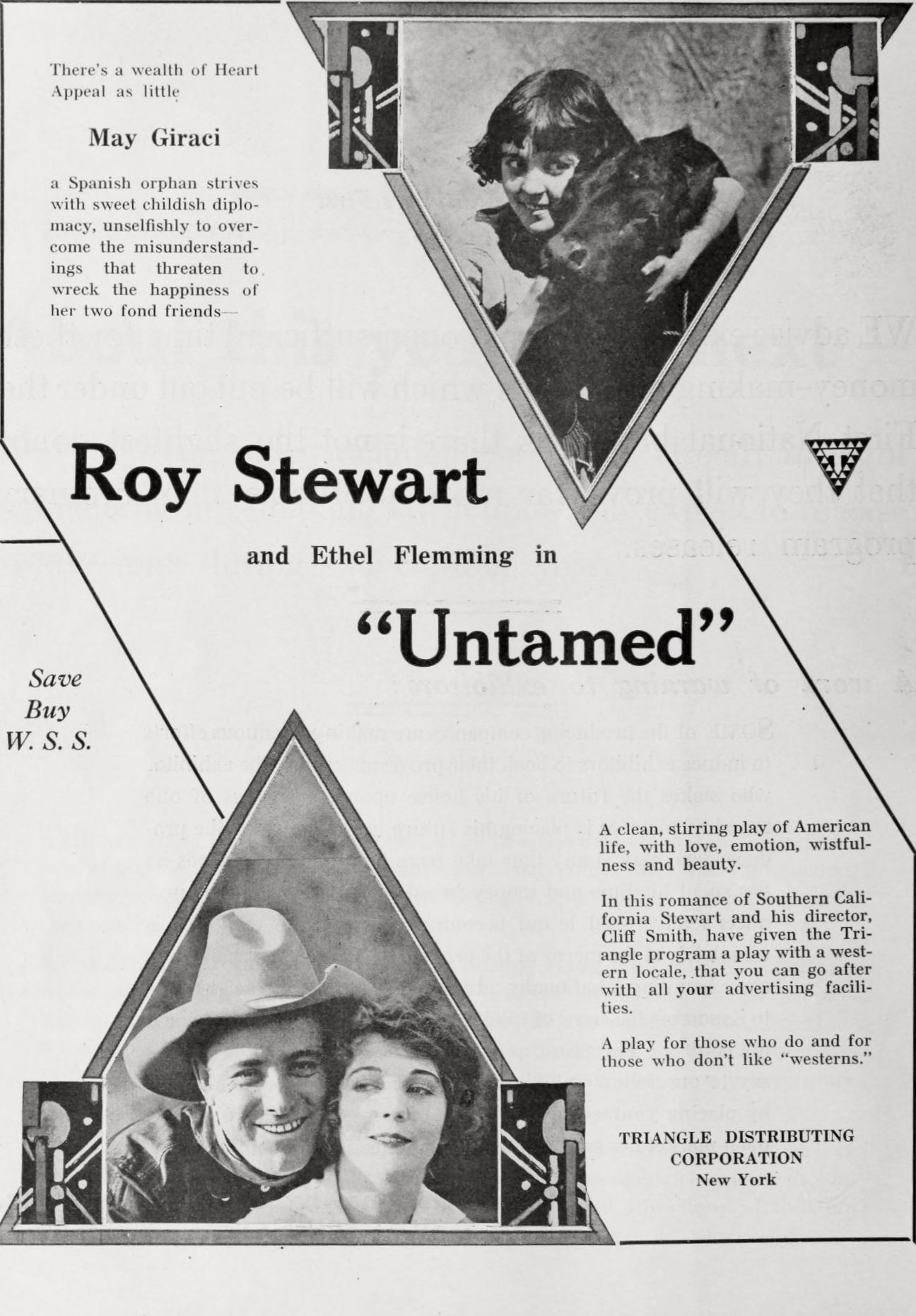
The Feminist Manifesto and the Scandalous Screen
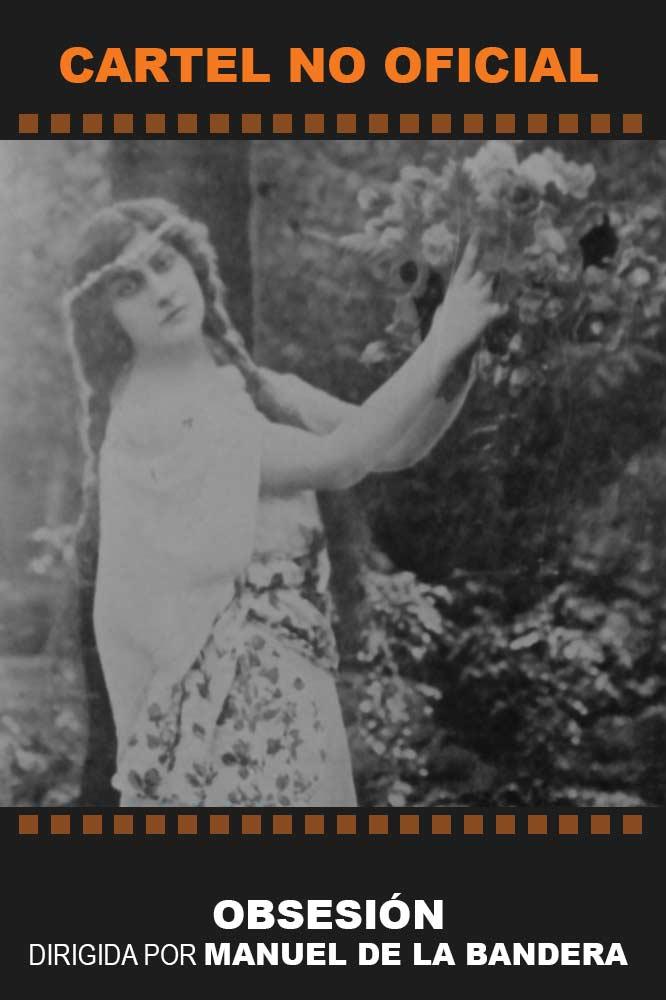
Cult cinema has always been a sanctuary for the voices that the mainstream sought to silence. Long before the radical underground of the 1960s, authors like Mary MacLane were using the medium to challenge societal norms. Her 1918 film, Men Who Have Made Love to Me, was a revolutionary act. By chronicling six affairs of the heart—including those with "the prize-fighter" and "the husband of another"—MacLane didn't just tell a story; she staged a public defiance of patriarchal expectations. The controversy surrounding the film only served to cement its status as a foundational text for the transgressive cinema to come.
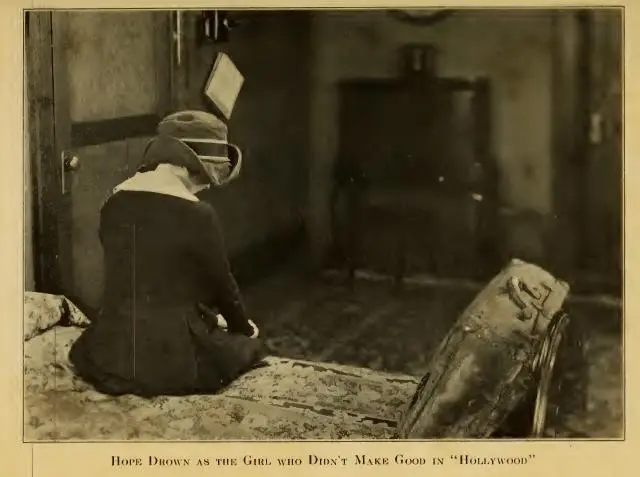
Similarly, The Fight (1915) presented a protagonist in Jane, who sought to suppress the "viciousness" of drink and gambling by running for mayor. While it may seem like a morality play on the surface, its depiction of commercialized vice as a formidable, almost insurmountable foe, reflects the grit and social realism that would later define independent cult dramas. These films didn't just entertain; they interrogated the shams of society, much like the 1921 film of the same name, which exposed the hollow nature of wealth and the desperation that hides behind a polished exterior.
The Outcast as the Eternal Protagonist
If there is one common thread that binds the cult canon, it is the celebration of the outsider. In The Half-Breed (1916), we see Lo Dorman, a man rejected by society, finding his own path through the wilderness and defending those lost in the woods. This trope of the noble outcast—the man who exists outside the law to protect a higher truth—is a cornerstone of the cult ethos. It reappears in Fighting Back (1917), where a man known as "The Weakling," unjustly cashiered out of the army, finds redemption in the harsh isolation of the desert.
These narratives resonate because they reflect the audience's own feelings of alienation. The 1915 masterpiece The Italian takes this even further, stripping away the romanticism of the American dream to reveal the "harsh realities of life in the slums." By focusing on the struggle of an immigrant couple whose dreams are laid to waste, the film rejects the easy happy endings of commercial cinema in favor of a devastating, visceral truth. This commitment to the "unpleasant" or the "difficult" is what transforms a movie into a movement.
Vengeance, Noir, and the Shadow of the Law
The dark undercurrents of what we now call film noir were already swirling in the silent era's most intense dramas. The Man Trap (1917) offers a blueprint for the hard-boiled revenge thriller. When reporter John Mull is framed by a corrupt police inspector and a crooked editor, his escape from prison and subsequent quest for vengeance prefigures the gritty, cynical world of 1940s crime cinema. The obsession with being "framed" and the breakdown of institutional trust are themes that have always fueled the cult imagination.

In The Rogues of London (1915), we see a similar descent into the underworld, where a cleric's son must navigate a web of crime and suicide to clear his name. These films explored the dark corners of the city—the "shadows of life" as seen in Life's Shadows (1916)—where the line between the hero and the villain is often blurred by the bottle or the badge. They provided a space for audiences to confront their fears of systemic injustice and the fragility of reputation.
The Absurdity of the Everyday: Comedy as Subversion
While drama and horror often take center stage in cult discussions, the comedy of the absurd is equally vital. Harold Lloyd’s Hot Water (1924) is a perfect example of how the mundane can be transformed into a surreal nightmare. A simple ride on a trolley becomes a chaotic battle with a live turkey; a spin in a new car becomes a frantic escape from in-laws. This transformation of the domestic into the grotesque is a hallmark of the cult sensibility.
Then there are the truly bizarre shorts, like Whiskers (1921), where a man’s use of a hair restorer leads to a beard that grows with supernatural speed. This kind of physical comedy, bordering on body horror, taps into a primal sense of the ridiculous. It is the same energy found in Look Pleasant Please (1918), where the simple act of opening a photograph gallery becomes a staging ground for slapstick anarchy. These films remind us that cult cinema is not always serious; sometimes, it is a joyful explosion of the improbable.
Epic Visions and National Catastrophes
Even the grandest productions of the early era could harbor a cult soul. The Dumb Girl of Portici (1916), starring the legendary Anna Pavlova, used the medium of dance and silent expression to tell a story of revolution and national catastrophe. It was a film that demanded a different kind of engagement from its audience—one that was sensory, emotive, and grand. Similarly, Romola (1924) transported viewers to Renaissance Florence, using historical drama to explore themes of betrayal and scholarship. These films were "big" in a way that felt different from the standard blockbusters; they were auteur-driven visions that prioritized atmosphere and aesthetic over simple plot progression.
We also see this in the international efforts like Das lebende Rätsel or the Spanish historical series Charles IV. These projects sought to capture the essence of a nation’s soul, often through a lens that was both poetic and unsparing. They remind us that the cult impulse is a global one, a universal desire to see the world reflected in all its complexity, beauty, and ugliness.
The Enduring Legacy of the Hidden Pearl
In the 1918 film The Hidden Pearls, a man discovers the secrets of his mother’s Hawaiian heritage, a journey that involves cultural collision and the discovery of a world he never knew existed. This serves as a fitting metaphor for the modern film historian or cult enthusiast. We are all searching for those hidden pearls—the films that were too strange for their time, too bold for the censors, or too honest for the masses.
Whether it is the mischief of Little Miss Mischief, the high-society entanglements of The Seventh Day, or the pained efforts of Andy's Dancing Lesson, each of these films contributed a thread to the tapestry of alternative cinema. They taught us that a movie star could fall in love in the Alps (My Wife, the Movie Star), that a hunchbacked conductor could find redemption through a child’s violin (Just Peggy), and that a man could be driven to madness by a single "hunch" written on his shirt (The Hunch).
As we continue to navigate the vast ocean of digital content, the lessons of the silent era remain more relevant than ever. The Deviant’s Doctrine is simple: embrace the unusual, champion the underdog, and never be afraid to put a human brain inside a gorilla. For it is in the fringes, in the "man traps" and "river of romances," that the true heart of cinema beats most fiercely. We are not just watching old movies; we are participating in a century-old ritual of rebellion, worshiping at the altar of the unconventional, and ensuring that the spark divine of the misfit masterpiece never truly fades away.
Community
Comments
Log in to comment.
Loading comments…