
Cult Cinema
The Forbidden Archive: How Early Cinema’s Genre Defiance and Misfit Narratives Birthed the Modern Cult Phenomenon

“A deep dive into the silent era’s most transgressive and forgotten reels, exploring how early cinematic anomalies laid the groundwork for the modern cult movie obsession.”
The term "cult cinema" often conjures images of midnight screenings in the 1970s, the smell of burnt popcorn, and the collective chanting of lines from The Rocky Horror Picture Show. However, the genetic blueprint of the cult obsession—the worship of the marginal, the transgressive, and the beautifully flawed—was drafted long before the advent of the midnight movie circuit. It was forged in the flickering shadows of the early 20th century, within a landscape of genre anarchy where filmmakers were still inventing the rules of visual storytelling. To understand the modern cult phenomenon, we must peer into the Forbidden Archive of the silent era, where misfit narratives and moral outlaws first challenged the boundaries of the medium.
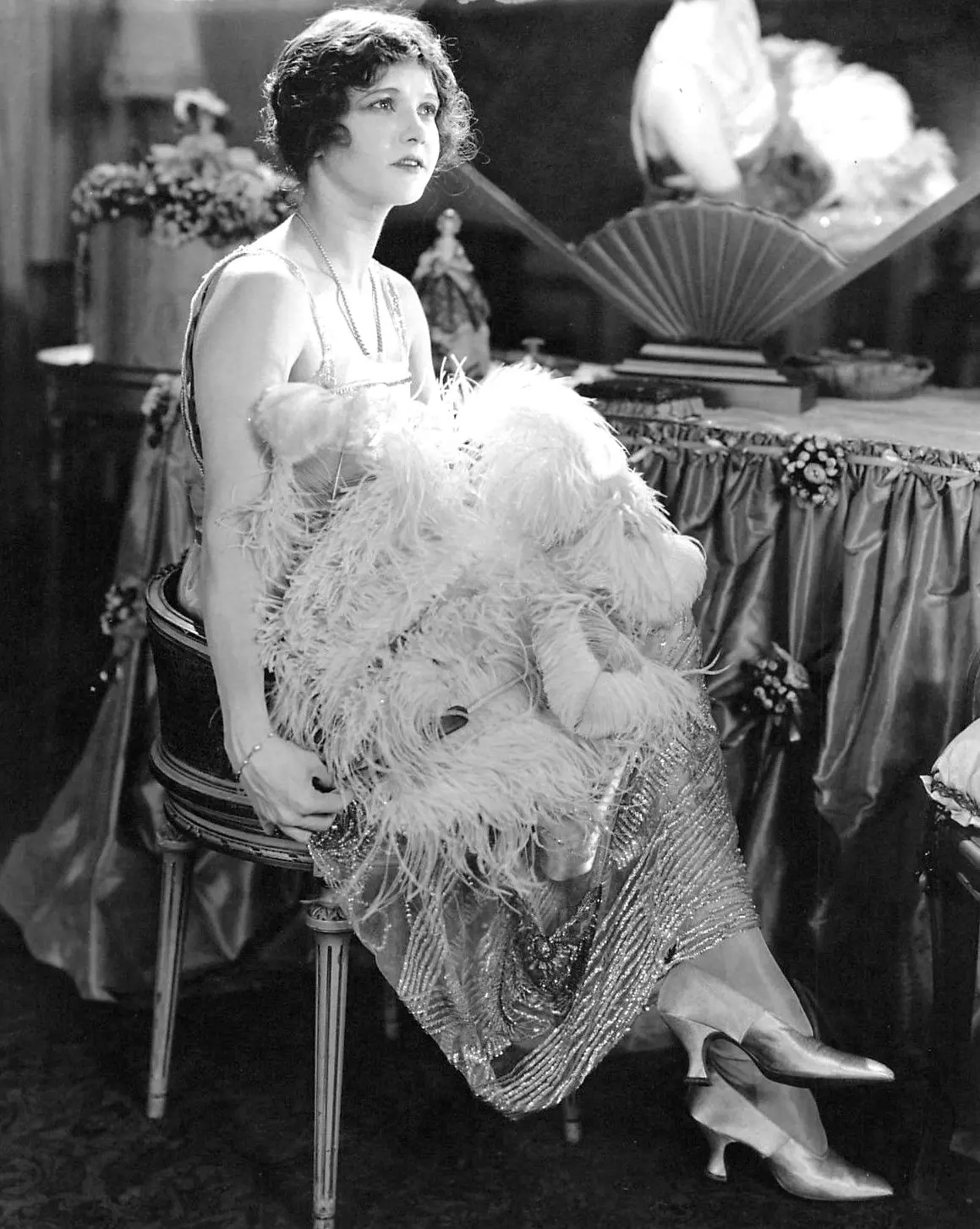
The Master of Mischief: Fantômas and the Allure of the Anti-Hero
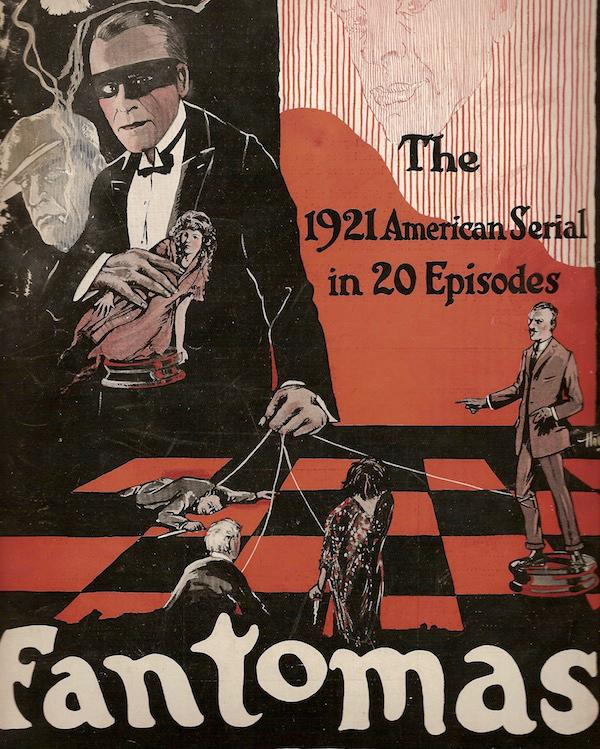
Long before the Joker or the anti-heroes of noir, there was Fantomas - On the Stroke of Nine. This lost fragment of cinematic history represents a pivotal moment in the evolution of the cult icon. Fantômas was not merely a villain; he was a master criminal who offered to trade his life of crime for immunity, and when rebuffed, vowed to terrorize the city. This narrative of a defiant outsider who refuses to be assimilated into the legal or moral framework of society is the bedrock of cult worship. Cult audiences have always gravitated toward characters who exist in the liminal spaces between hero and monster.
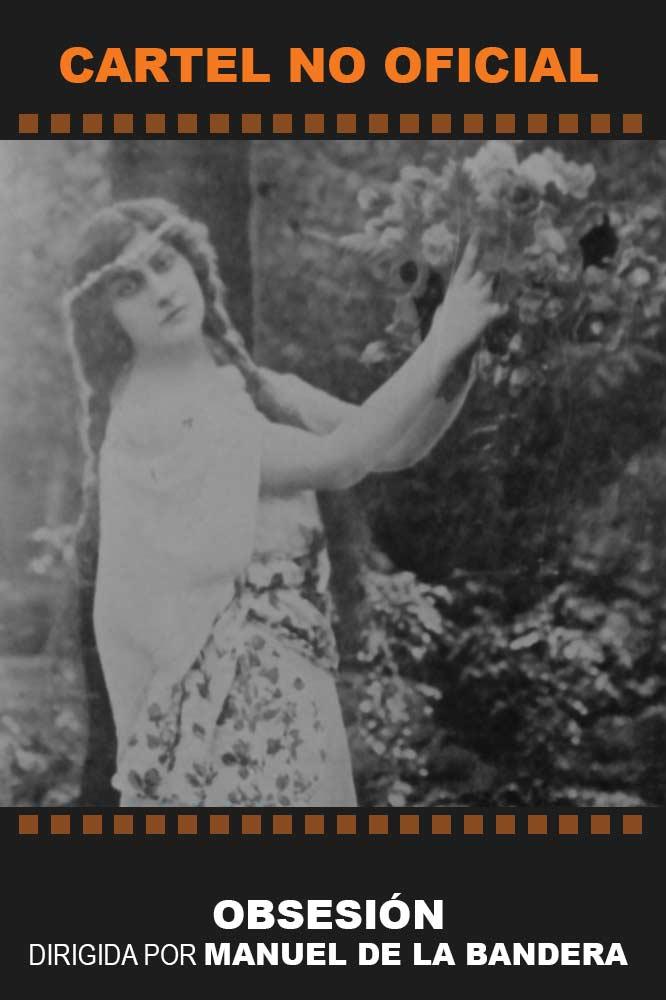
In the early 1910s and 20s, the figure of the criminal-as-protagonist offered a transgressive thrill to audiences bound by Victorian-era morality. Films like The Social Buccaneer, which featured a pirate in China stealing from the rich to give to the poor, or Alias Mary Brown, where a son turns to fencing jewels to save his destitute mother, provided a template for the "noble outlaw." These films didn't just tell stories; they offered a form of narrative rebellion that resonated with those who felt disenfranchised by the rapidly industrializing world.
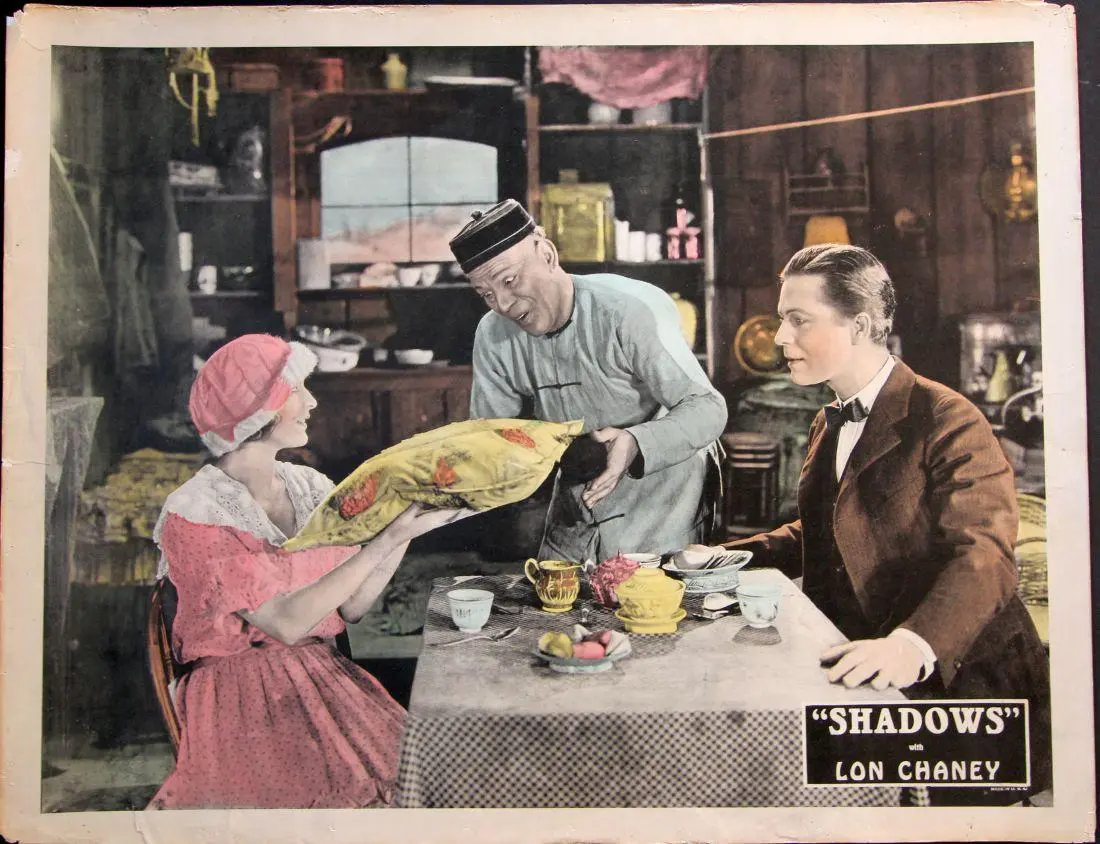
Gender, Performance, and the Roots of Camp
One of the most fascinating precursors to modern cult sensibilities is the 1921 film Little Eva Ascends. In a move that feels decades ahead of its time, the story centers on a repertory company where a young man plays the role of "Little Eva" in a wig and dress. This subversion of gender norms and the meta-narrative of theatrical performance are early indicators of what Susan Sontag would later define as "Camp." Cult cinema thrives on the artifice of performance, the moment where the mask slips or where the mask becomes the reality.
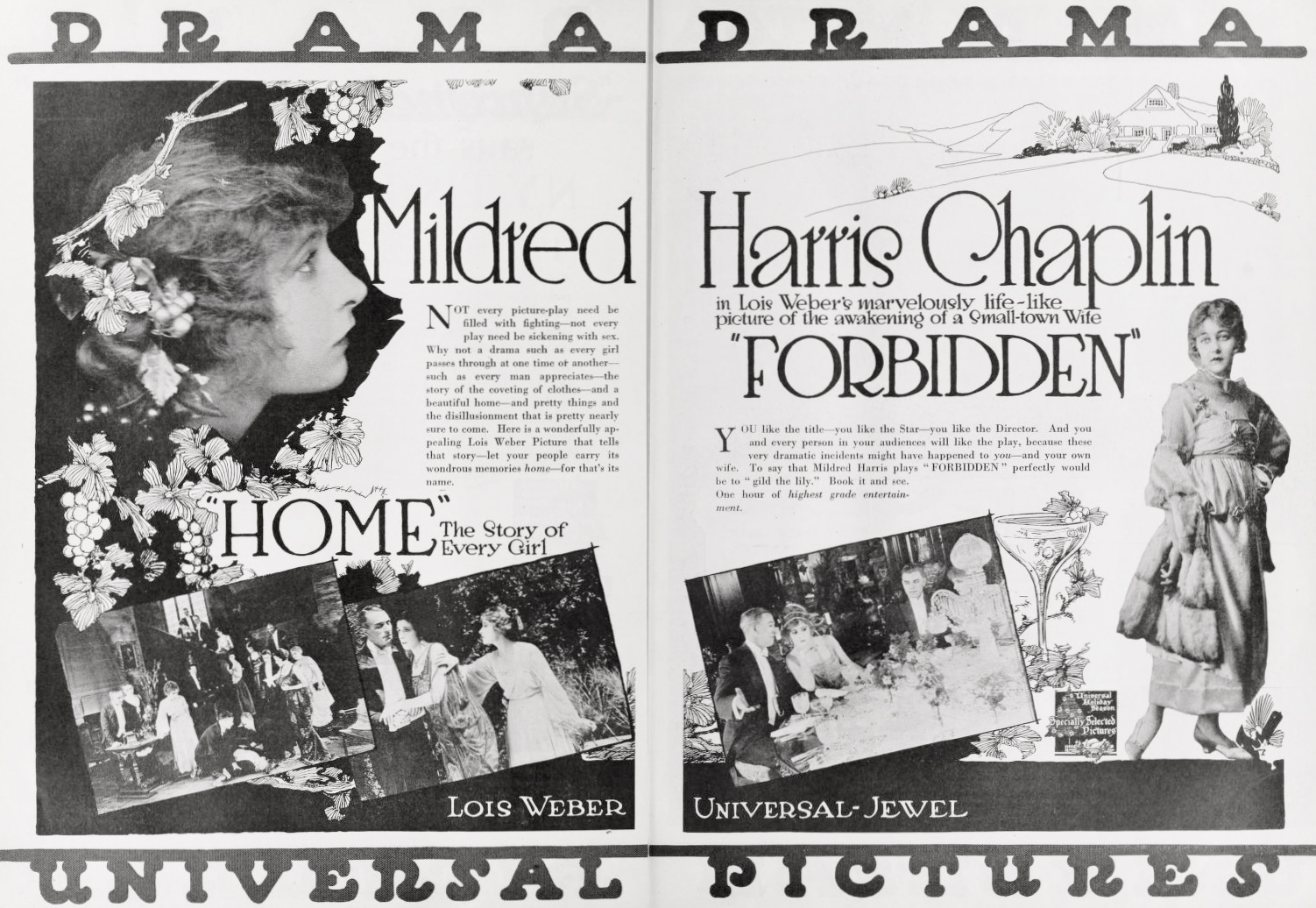
The gender-bending in Little Eva Ascends isn't just a comedic device; it’s a challenge to the rigidity of the era’s social expectations. When we look at the history of cult films, we see a recurring obsession with the performative self. Whether it is the burlesque company in A Black Sheep or the actress Bonnie May finding her place in a private mansion play, these stories celebrate the transformative power of the stage. They suggest that identity is not fixed, but a role to be played—a theme that remains a cornerstone of cult fandom today.
The Melodrama of the Marginalized: Urban Shadows and Rural Despair
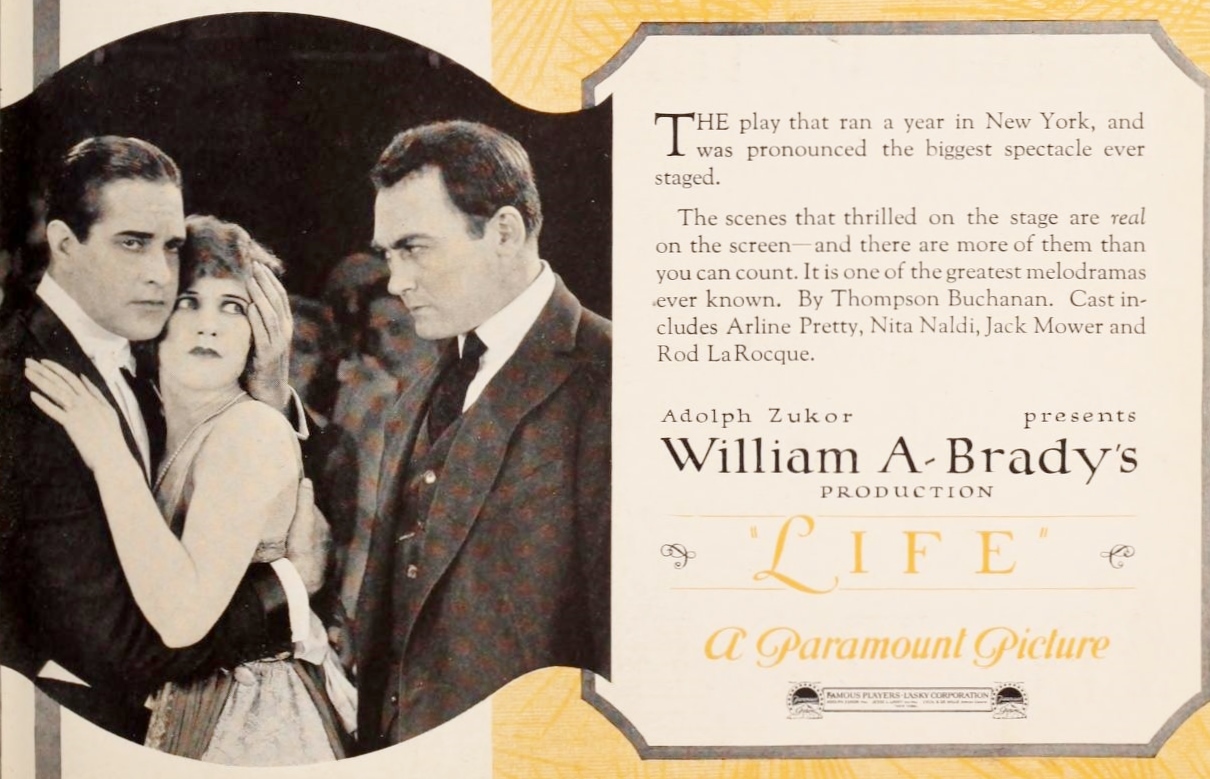
Cult cinema has always been a sanctuary for the stories that the mainstream would rather ignore. In the early 20th century, this manifested in gritty urban dramas like The Circus of Life. Centered on a brewery wagon driver and a narrative of infidelity and mistaken identity, the film captures the raw, unvarnished struggle of the working class. Similarly, Hearts Asleep tells the story of Nancy, a scrub girl raised by a criminal "fence," who maintains her integrity in a world designed to corrupt her. These films are not the polished epics of the studio system; they are visceral explorations of the human condition at its most vulnerable.
The rural landscape also provided a backdrop for cult-like narratives of isolation and obsession. Back to Yellow Jacket, a Western drama about a woman who defies her husband to seek excitement in the city, only to be rescued from a slick gambler, explores the tension between the wilderness and civilization. This theme of the "outsider in the wild" is echoed in Hugon, the Mighty, where a Canadian backwoodsman’s physical strength is matched only by his internal moral struggle. These characters are the ancestors of the lone wanderers and societal rejects that populate the cult canon, from the drifters of 70s road movies to the isolated protagonists of modern indie horror.
Economic Anarchy: The Faustian Bargain of the Market
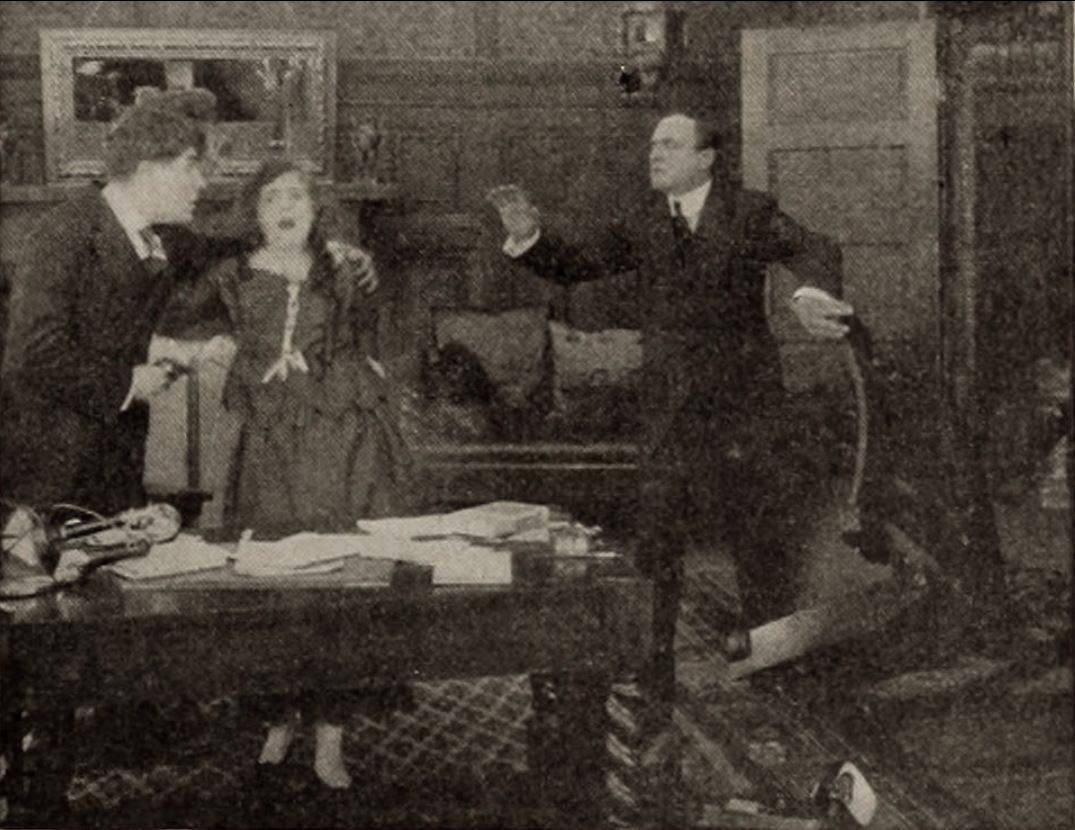
Perhaps one of the most sophisticated themes in early cinema that prefigures cult obsession is the critique of capitalism and greed. The Pit, based on Frank Norris's novel, dives into the world of grain speculation, using the performance of Faust as a thematic mirror. The idea that the market is a monstrous, uncontrollable force that demands the souls of those who engage with it is a deeply subversive concept. In What Money Can't Buy, we see a wealthy financier bidding for railway concessions against a foreign king, a cynical look at the intersection of private wealth and public power.
These films tapped into a growing anxiety about the "Great Problem" of wealth inequality, a sentiment expressed literally in the title The Great Problem, where a man seeks vengeance against the attorney who sentenced him. Cult cinema often acts as a pressure valve for societal frustrations, and these early examples of economic horror and revenge fantasies provided a blueprint for the counter-cultural movements of the future. They recognized that the true villains weren't just individuals, but the systems that allowed them to thrive.
The Geography of the 'Other': Exoticism and the Parrot-and-Monkey Country
A recurring motif in early cult-adjacent cinema is the escape to "the other"—a place where the rules of Western society don't apply. A Double-Dyed Deceiver takes place in a "parrot-and-monkey country" in South America where "it is always after dinner." This dreamlike, almost surreal setting is the perfect environment for a Texas bad man to hide from justice. Similarly, The Pearl of Paradise features a Spanish fugitive raising his daughter in isolation on a South Sea island. These films utilize exoticism as a narrative tool to explore themes of isolation, hidden identities, and the corruption of innocence.
While these depictions were often mired in the colonialist perspectives of their time, from a cult cinema standpoint, they represent the medium's early fascination with "otherness." The cult audience is often an audience of travelers—people looking for worlds that feel more vivid, more dangerous, and more honest than their own. Whether it is the "Turk" seeking his Sixteenth Wife or the adventures in A Maori Maid's Love, these films offered a window into a world of genre-bending fantasy that would eventually evolve into the high-concept world-building of modern cult hits.
The Ghost in the Machine: The Power of the Lost Reel
One cannot discuss the cult status of early cinema without acknowledging the power of the absent film. Many of the movies from this era, like Fantomas - On the Stroke of Nine or Zakovannaya filmoi, exist only in fragments or as entries in old catalogues. This "lostness" creates a unique form of devotion. A film that cannot be seen becomes a myth, a blank canvas upon which fans can project their deepest cinematic desires. The hunt for lost films is the ultimate cult ritual, a quest for a "holy grail" that promises to unlock a forgotten truth about the medium.
Even when the films survive, their age adds a layer of surrealism that appeals to the cult sensibility. The flickering frames of Crashing Through to Berlin or the short, strange loops of From Caterpillar to Butterfly possess a haunting quality that modern high-definition digital video cannot replicate. This aesthetic of decay—the scratches on the celluloid, the tinting of the frames, the exaggerated gestures of the silent actors—is inherently cult. it celebrates the physical reality of the film itself as an artifact of a bygone era.
Conclusion: The Eternal Flame of the Fringe
The legacy of these early 20th-century anomalies is written in the DNA of every cult film that followed. From the revenge-driven plots of The Man Hunter to the domestic rebellions in Stepping Out, the silent era was a laboratory of transgressive ideas. These filmmakers weren't just making movies; they were engineering the midnight mindset. They taught us that cinema is at its most powerful when it looks at the things we are told to turn away from: the criminal, the misfit, the failure, and the freak.
As we move further into the digital age, the lessons of the Forbidden Archive remain more relevant than ever. In a world of algorithmic recommendations and polished blockbusters, the "cult" remains a vital space for the unconventional and the unclassifiable. By looking back at films like The Littlest Rebel or The Innocence of Ruth, we find the roots of our own obsession with the fringe. We see that the desire to gather in the dark and worship the strange is not a modern fad, but a primal human urge—a flicker of light that has been burning since the very first frame was projected onto a screen.
Community
Comments
Log in to comment.
Loading comments…