
Cult Cinema
The Fringe’s First Flicker: Unveiling the Silent Era Roots of Modern Cult Obsession
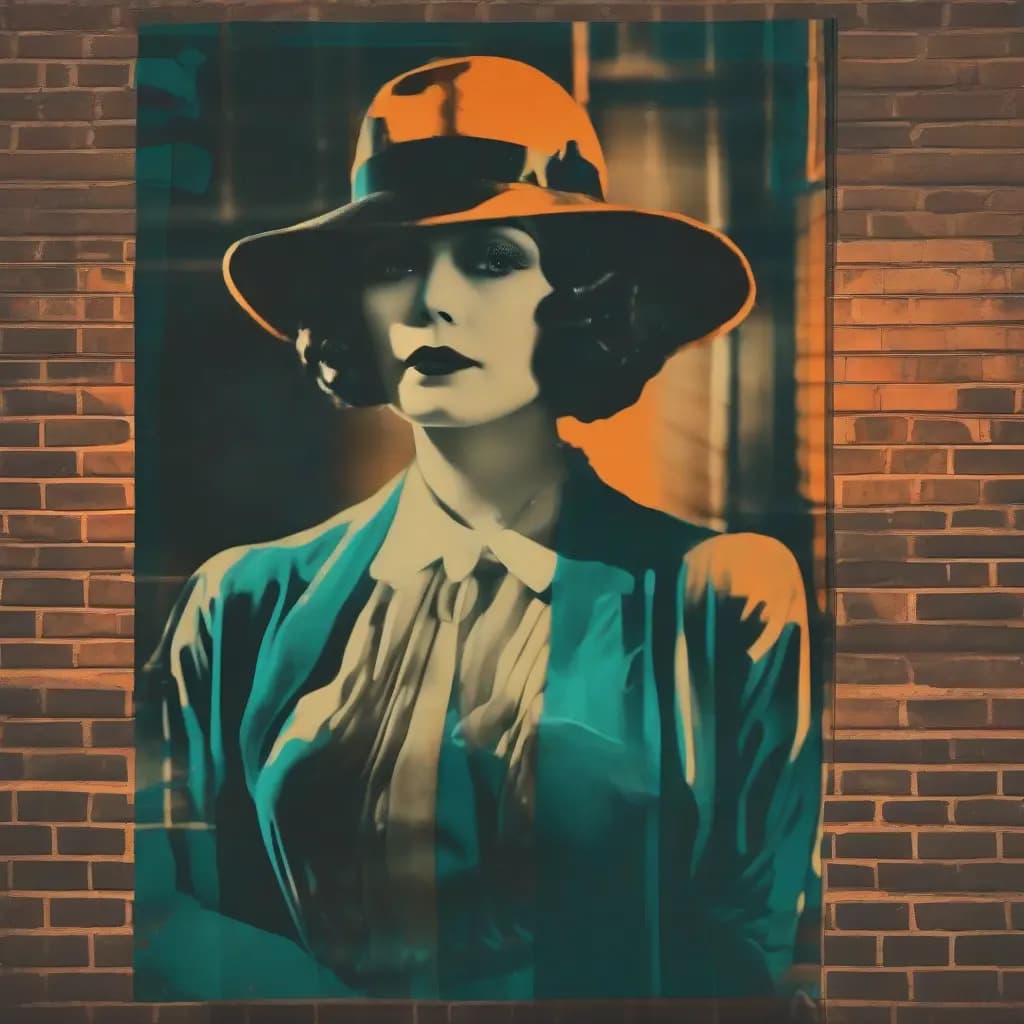
“A deep dive into how the silent era's most daring genre experiments and social outcasts laid the groundwork for today's midnight movie culture.”
To the modern cinephile, the term "cult cinema" often conjures images of midnight screenings, costumed fans, and the grainy aesthetic of 1970s grindhouse. However, the genetic blueprint of the cult phenomenon was not written in the age of VHS or the drive-in; it was etched into the flickering silver of the silent era. Long before the term existed, a collection of cinematic outliers, genre-defying experiments, and social transgressors were already forging a relationship with the audience that transcended mere entertainment. This was the birth of a devotional culture, one that found beauty in the bizarre, the banned, and the misunderstood.
The Archetypal Outcast: From Slums to Screen Icons
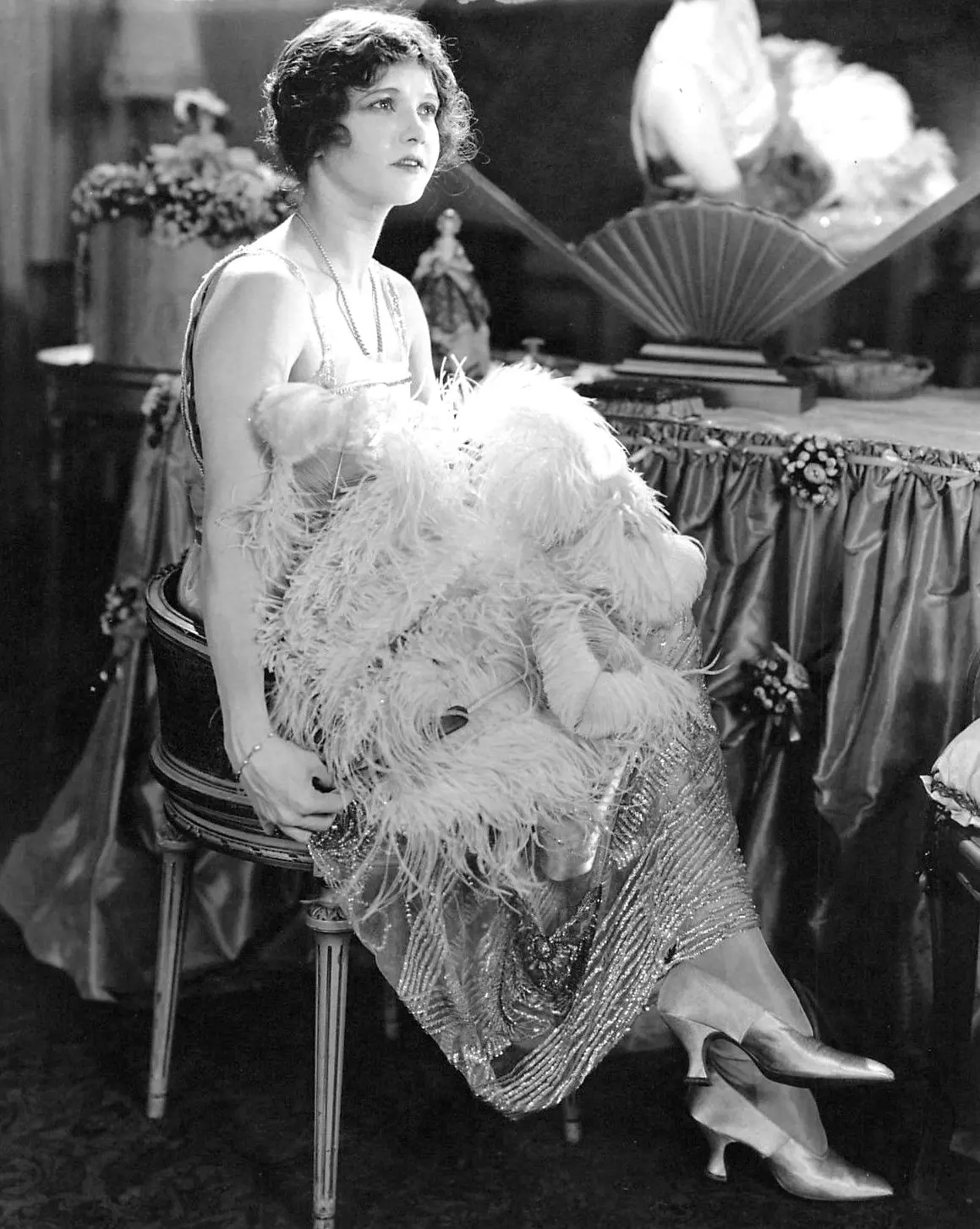
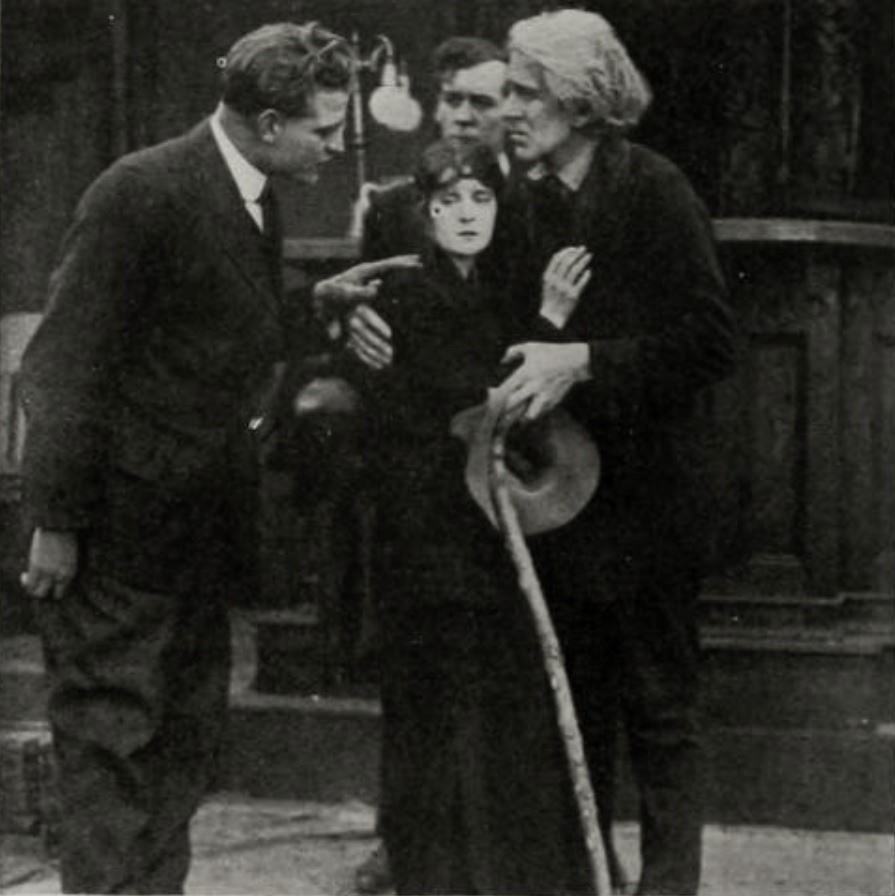
At the heart of any cult movement lies the figure of the outsider. In the early 20th century, filmmakers were already obsessed with the margins of society. Take, for instance, the dual explorations of The Outcast (1915 and 1917). These films did not merely present poverty; they romanticized the struggle of the disenfranchised. Whether it was Mae, the girl of the slums working in a rough dive, or Miriam Gibson, a woman driven to the edge of morality by a handsome adventurer, these narratives invited the audience to identify with those rejected by polite society. This identification is the cornerstone of cult worship: the celebration of the non-conformist.
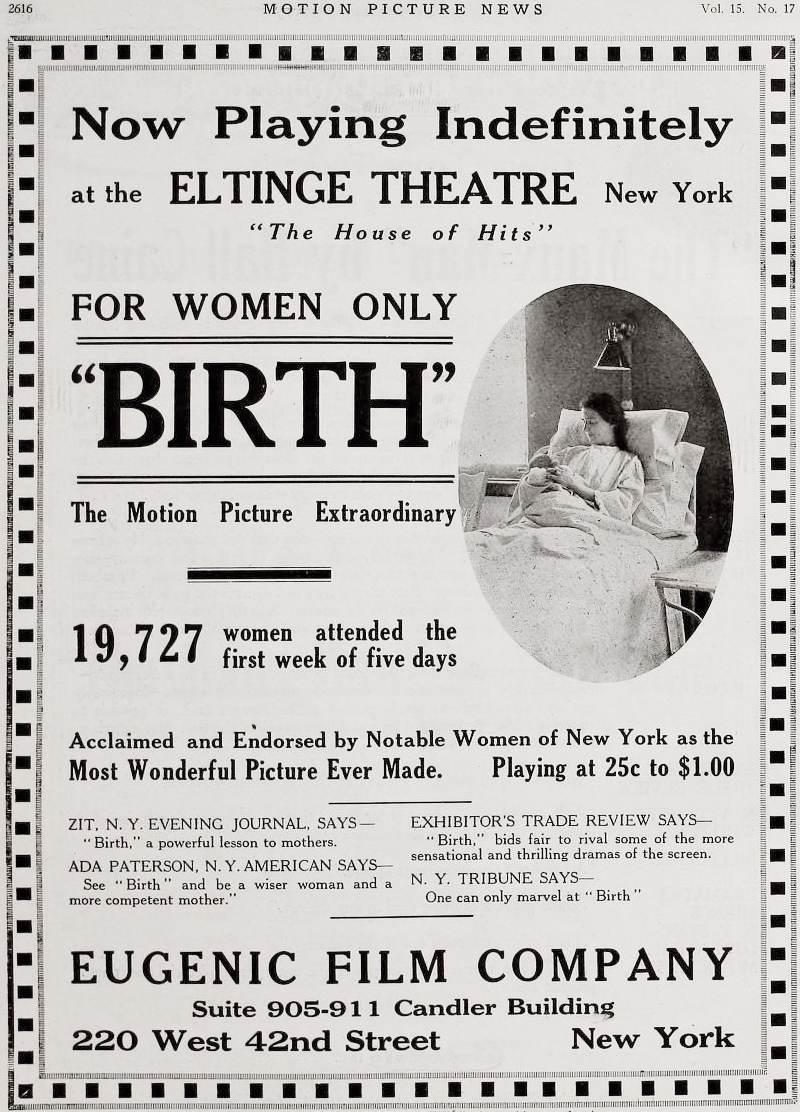
Films like Sapho (1917) furthered this by portraying the "quaint girl" from the slums of Paris, transforming a hovel into a site of dramatic intensity. By centering the narrative on those who existed outside the traditional moral framework, early cinema began to attract a different kind of viewer—one who looked to the screen for a reflection of their own perceived otherness. This early fascination with the social pariah paved the way for the transgressive heroes of later cult classics.
Genre Anarchy: Westerns, Monsters, and the Weird
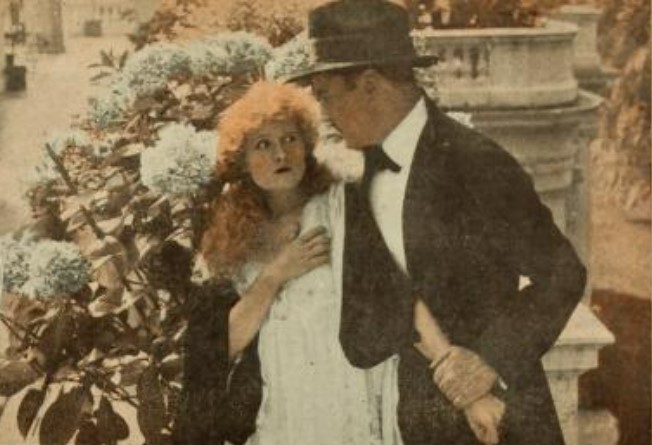
Cult cinema is defined by its refusal to stay within the lines of established genres. This spirit of rebellion was rampant in the silent era's approach to the Western and the fantastical. Consider Firebrand Trevison or The Double O. These weren't just stories of cowboys; they were experiments in tone and character. The inclusion of "half-breed" accomplices and railroad conspiracies added layers of complexity that often confounded mainstream critics but delighted those seeking something beyond the standard white-hat heroics.
The Early Spectacle of the Strange
The hunger for the unusual led to the creation of films like The Sky Monster. In a time when flight was still a miracle, the idea of a millionaire flying from America to Europe to win a wager was the 1920s equivalent of high-concept sci-fi. It pushed the boundaries of what the camera could depict and what the audience could imagine. Similarly, Jack and the Beanstalk (1917) utilized early special effects to create a sense of wonder that felt distinct from the realism of the day. These films weren't just stories; they were sensory experiences that prioritized the "weird" over the conventional.
Even the comedy of the era had a dark, surrealist streak. Pay Your Dues, with its plot involving a hero mistaken for an escaped initiate of a "kooky fraternal order," prefigured the satirical cult comedies of the 1980s. The absurdity of the initiation rites and the blindfolded protagonist provided a template for the kind of narrative anarchy that would later define the works of John Waters or the Monty Python troupe.
The Moral Grey Zone: Pre-Code Transgressions
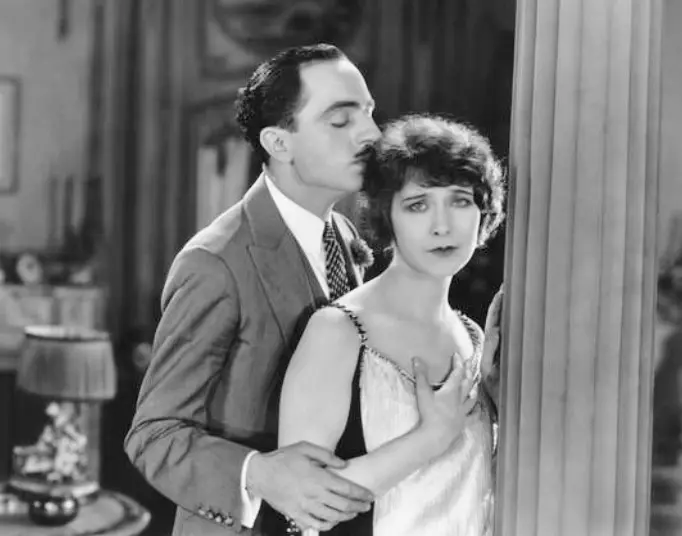
Before the strict enforcement of the Hays Code, cinema was a laboratory for moral experimentation. Films like The Moral Code and Sacred and Profane Love (1921) tackled themes of infidelity, Victorian repression, and the complexities of human desire with a frankness that would later be sanitized for decades. In Sacred and Profane Love, Carlotta Peel’s journey from a sheltered life to a night of passion with a celebrated pianist challenged the period's notions of female agency and virtue.
This willingness to explore the "shadow self" is a hallmark of the cult experience. When a film like Destruction features a woman scheming to get her husband's wealth and even attempting to kill his son, it taps into a primal, transgressive energy. These early "femme fatale" archetypes and moral anti-heroes allowed audiences to explore the darker corners of the human psyche in a safe, communal environment. This shared exploration of the taboo is exactly what draws crowds to midnight screenings today.
Technological Rebels and the Sound of the Future
Cult status is often bestowed upon films that were ahead of their time, either in message or in method. Noble Sissle and Eubie Blake Sing Snappy Songs (1923) stands as a monumental example of this. As one of Lee De Forest’s earliest experimental sound films, it was a technological rebel. It challenged the silent status quo, offering a glimpse into a future that many in the industry were not yet ready to embrace. For modern viewers, this film is a relic of a liminal space—the transition between the silent and the sonic.
The preservation of such films is a cult act in itself. The restoration of The Daughter of Dawn, featuring an all-Native American cast of Kiowa and Comanche people, represents a reclamation of a narrative that was nearly lost to time. Cult cinema thrives on this sense of rediscovery. The act of unearthing a forgotten masterpiece and presenting it to a new generation is the ultimate ritual of the film devotee.
The International Fringe: Global Outliers
The cult impulse was never restricted to Hollywood. From the Polish comedy Tajemnica przystanku tramwajowego to the Danish drama Pigen fra Klubben, the international fringe was producing works that reflected local anxieties through unconventional lenses. Jomfru Trofast, a tale of eternal love and maritime separation, combined romance with a rugged, atmospheric realism that felt worlds away from the polished studio productions of the West. These films proved that the desire for unique, culturally specific storytelling was a global phenomenon.
Melodrama as a Subversive Tool
While melodrama is often dismissed as a "low" genre, in the hands of early cult directors, it became a tool for social critique. My Little Sister, a tragic tale of betrayal and a sister's vow for justice, used the heightened emotions of the genre to shine a light on the dangers of the modern world. Similarly, Under Southern Skies and A Virginia Courtship navigated the complexities of family secrets and lost legacies with an intensity that demanded total emotional investment from the viewer.
This emotional intensity is what creates the "cult" bond. When a viewer watches Audrey, seeing an orphan turned into a "slavey" by unscrupulous guardians, the sense of injustice is palpable. The audience isn't just watching a story; they are participating in a moral struggle. This participatory nature of the viewing experience—the cheering for the hero and the hissing at the villain—is the primordial version of the interactive audiences seen at screenings of The Rocky Horror Picture Show.
The Legacy of the Forgotten: Why the Silent Fringe Matters
Why do we continue to look back at films like Edgar Takes the Cake or The Wooing of Coffee Cake Kate? It’s because they represent a time when the rules of cinema were still being written. There is a raw, unpolished energy in these shorts and features that modern blockbusters often lack. They remind us that cinema, at its core, is an art of the unexpected.
The silent era's misfits, from the playboy son in A Motion to Adjourn to the country boy turned street cleaner in The Crossroads of New York, taught us that every story, no matter how small or strange, has the potential to find a home in the hearts of a dedicated few. The cult movie soul is not defined by box office success or critical acclaim; it is defined by the endurance of the vision. Whether it's the high-stakes drama of 12.10 or the comedic mishaps of Out of Luck, these films survive because they dared to be different.
Conclusion: The Eternal Midnight
As we navigate the vast ocean of digital content today, the lessons of the silent fringe remain more relevant than ever. Cult cinema is a testament to the power of the niche, the beauty of the anomaly, and the necessity of the rebel. By looking back at the "primordial midnight" of the 1910s and 20s, we see that the spirit of cinematic rebellion is as old as the camera itself. We are all, in some way, part of this long lineage of viewers who prefer the shadow to the spotlight, the outcast to the icon, and the flicker of the fringe to the glare of the marquee.
The next time you find yourself in a dark theater at 12:00 AM, remember that you are not just watching a movie; you are participating in a century-old tradition of cinematic devotion. From the slums of Paris in Sapho to the kooky orders of Pay Your Dues, the silent era's ghosts are still there, whispering to us from the edges of the frame, reminding us that the most enduring stories are often the ones the world tried to forget.
Community
Comments
Log in to comment.
Loading comments…