
Cult Cinema
The Midnight Cartel: Decoding the Genetic Rebellion of the Silent Era’s Original Genre Defiants
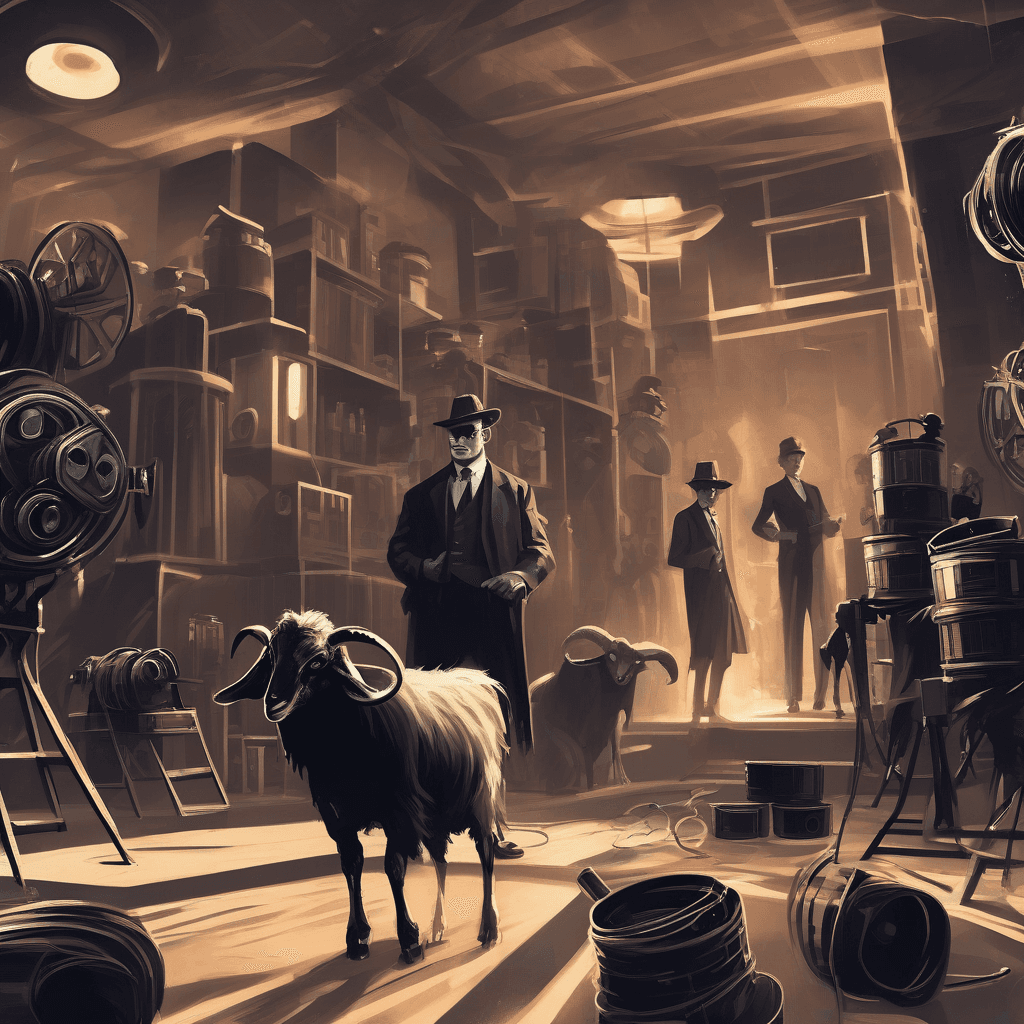
“Explore the hidden foundations of cult cinema through the transgressive themes and genre-bending narratives of the early 20th century's most daring outliers.”
In the vast, flickering history of the silver screen, the term "cult cinema" often conjures images of midnight screenings, neon-soaked aesthetics, and transgressive 1970s masterpieces. However, the DNA of the cinematic outlier was forged much earlier, in the nitrate shadows of the early 20th century. Before the term "cult" was ever codified by critics, a clandestine network of films was already challenging the status quo, blending genres with reckless abandon and presenting moral complexities that defied the era's rigid sensibilities. This was the Midnight Cartel of its time—a collection of renegade reels that prioritized vision over commercial safety.
The Lubitsch Anarchy and the Birth of Unrestrained Farce
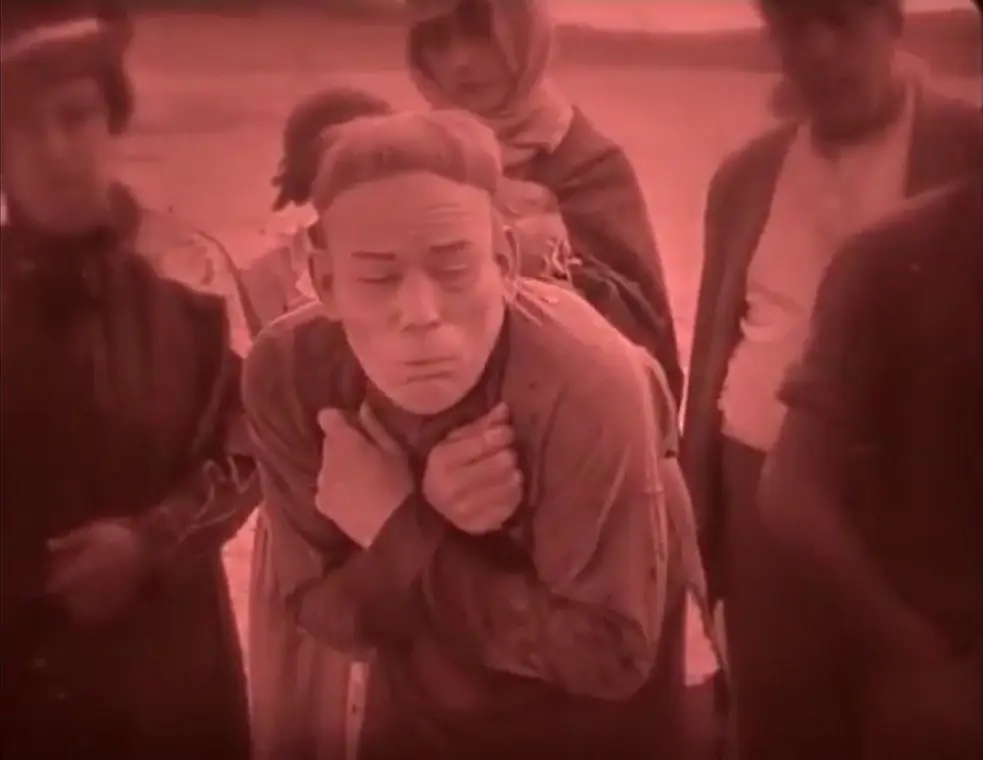
One cannot discuss the roots of cult subversion without acknowledging the chaotic energy of Ernst Lubitsch. His 1921 work, The Wildcat, stands as a testament to the power of the unrestrained director. While Lubitsch is often remembered for his sophisticated "touch," The Wildcat is a madcap farce that pushes the boundaries of the military comedy. By following a charismatic lieutenant captured by a group of mountain bandits, Lubitsch creates a world where authority is a punchline and social structures are mere set dressing. This film’s refusal to adhere to the traditional "war drama" or "romance" archetypes marks it as a primal ancestor to the genre-bending cult films of the modern age.
The cult appeal of The Wildcat lies in its visual audacity and its willingness to be "too much." In an era where many films were striving for a standardized realism, Lubitsch embraced the surreal, the loud, and the absurd. This spirit of excess is a cornerstone of cult devotion; fans gravitate toward films that feel like a secret handshake between the creator and the audience, a shared acknowledgement that the world is far stranger than the mainstream would have us believe.
Gender Subversion and the Architecture of the Abnormal
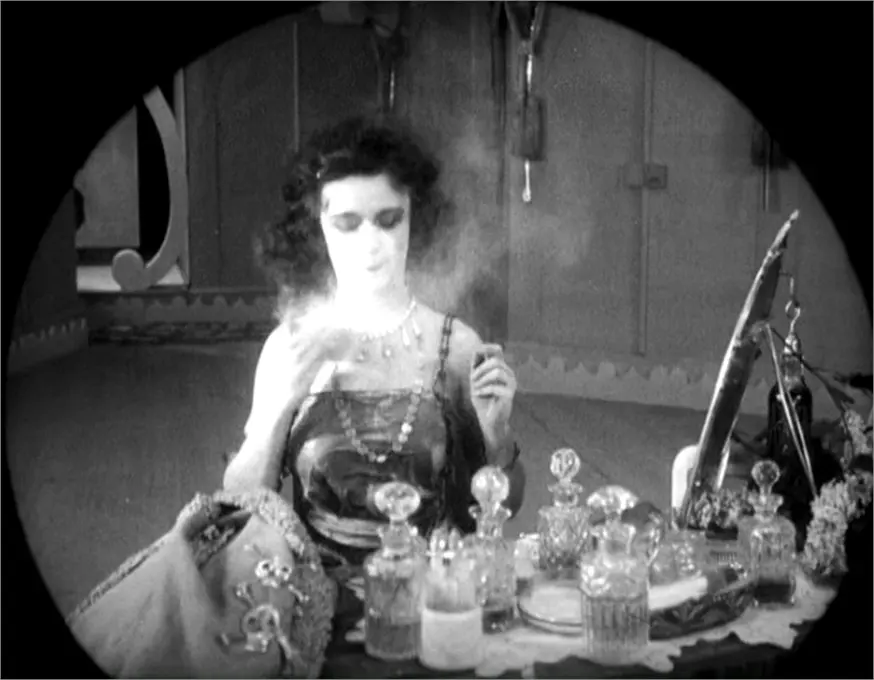
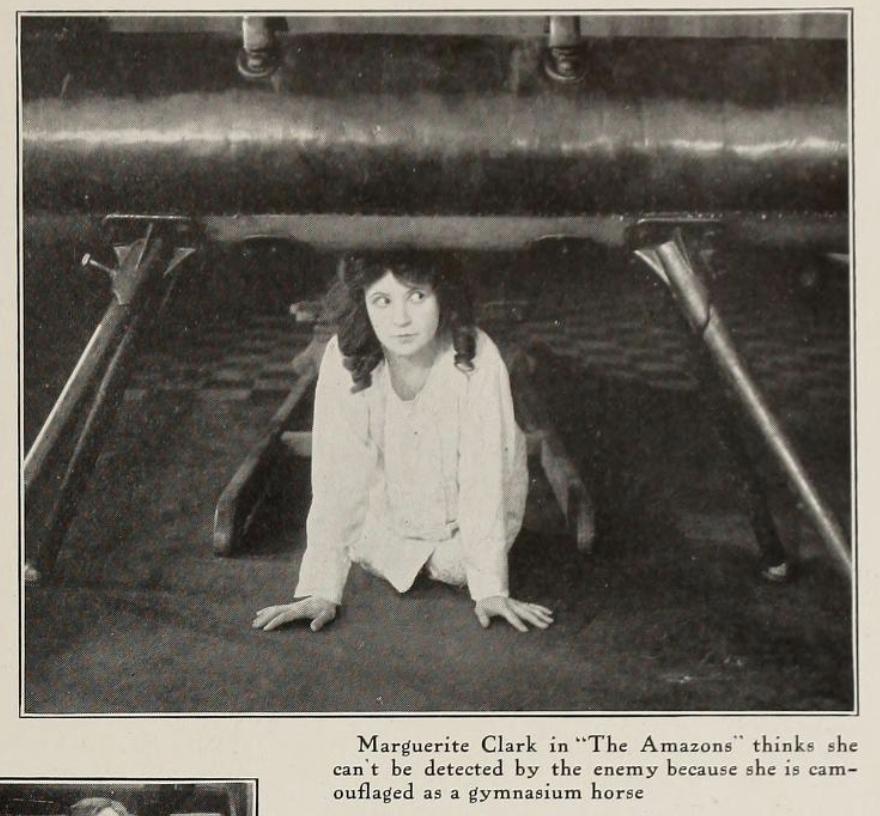
Long before the transgressive cinema of the 1960s, films like The Amazons were already experimenting with the fluidity of identity. The narrative of three sisters raised as boys who struggle to fit into a male-dominated society is more than just a comedy; it is a foundational text in the history of the cinematic outlier. By questioning the performance of gender, The Amazons tapped into an undercurrent of social anxiety that the mainstream often ignored. This thematic daring is what transforms a simple film into a cult object—a piece of media that speaks to the disenfranchised and the misunderstood.
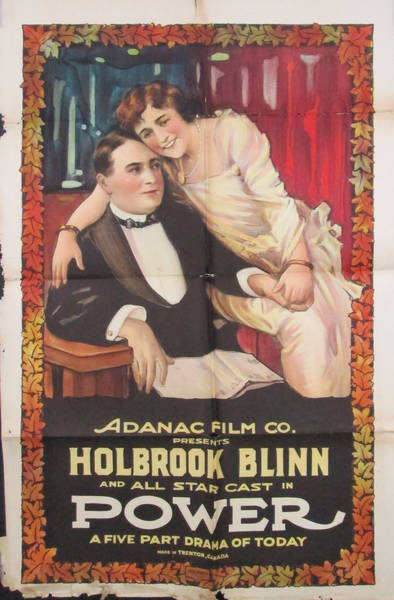
Similarly, the concept of the "mask" plays a pivotal role in the cult psyche. Take The City of Masks, a film where European nobles find themselves working as common laborers in America, only to meet once a week to maintain their former Continental style. This secret society of fallen aristocrats mirrors the very nature of cult fandom: a group of people who feel out of place in the modern world, coming together in the shadows to celebrate a reality that only they understand. The film’s blend of drama and comedy creates a tonal dissonance that is a hallmark of the cult experience, challenging the viewer to find meaning in the juxtaposition of the mundane and the magnificent.

The Absurdist Edge: From Fireman Goats to Hallroom Boys
Cult cinema has always had a soft spot for the surreal, and the early short films of the 1910s and 20s were rife with it. Consider Billy Whiskers, a short comedy about an ambitious goat looking for a career. The sheer absurdity of a goat attempting to drive a taxi, only to find his "niche" as a heroic fireman, is the kind of logic-defying narrative that thrives in the midnight movie circuit. It is a precursor to the "so-bad-it’s-good" or "unintentionally surreal" aesthetic that defines much of modern cult obsession.
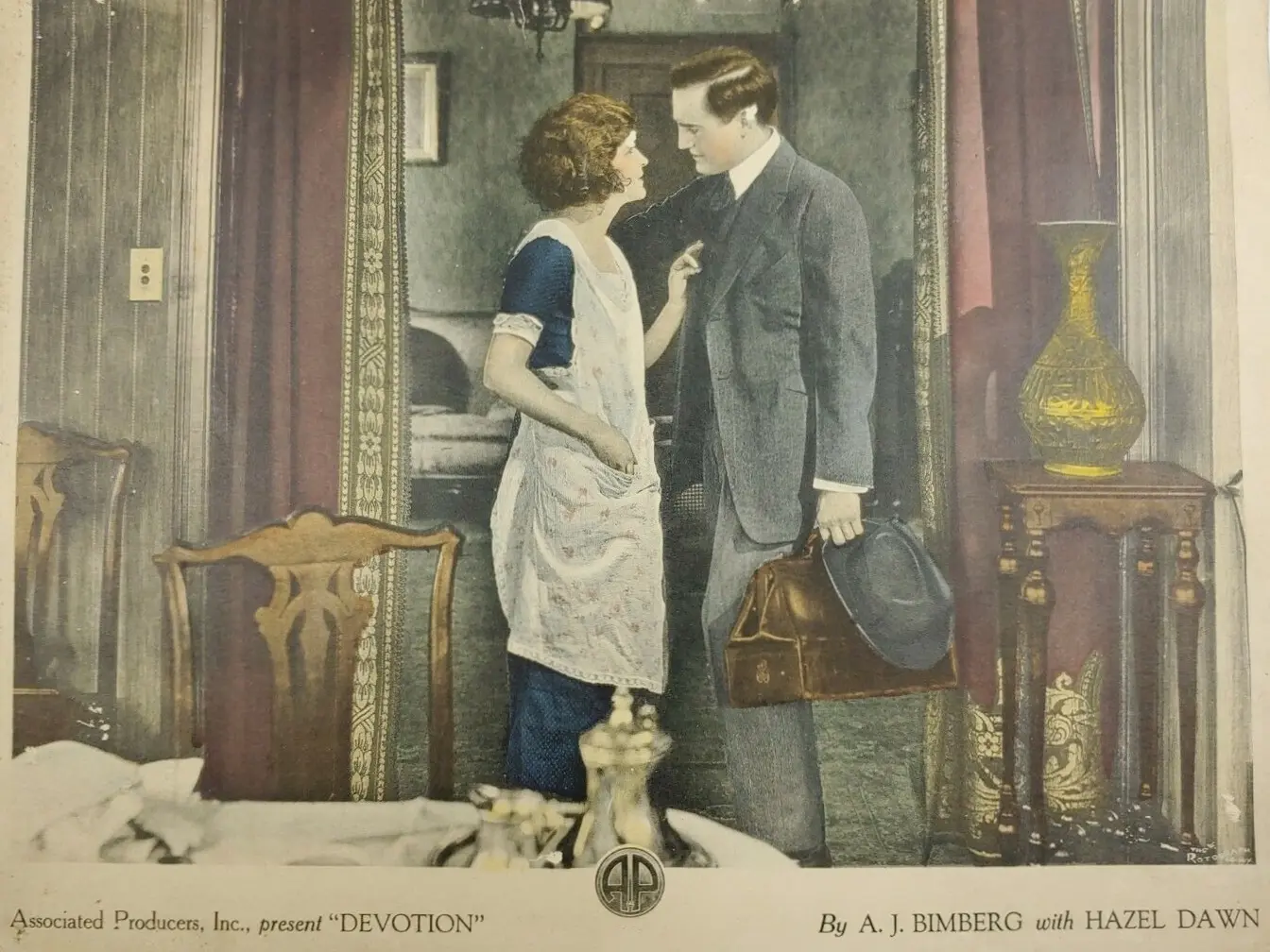
In the same vein, Put and Take offers a glimpse into the repetitive, almost Sisyphean nature of early comedy. The Hallroom boys’ obsession with a game of "Put and Take" until they realize the top is rigged is a metaphor for the futility of the common man’s struggle—a theme that would later be explored with much more gravity in the works of cult icons like David Lynch or Terry Gilliam. Even Monkey Stuff suggests a world where the rules of reality are constantly being rewritten, a playground for the narrative misfits who refuse to play by the established rules of storytelling.
Moral Grey Areas and the Outlaw’s Redemption
The cult hero is rarely a paragon of virtue. Instead, we are drawn to the flawed, the desperate, and the morally ambiguous. Bull Arizona, part of a series centered on a bank-specialized outlaw with a "rough shell and a golden heart," perfectly encapsulates this archetype. The audience is invited to root for the criminal, a subversion of the typical moral binary of early cinema. This fascination with the "noble outlaw" is a recurring motif in cult cinema, from the Westerns of Peckinpah to the crime sagas of Tarantino.
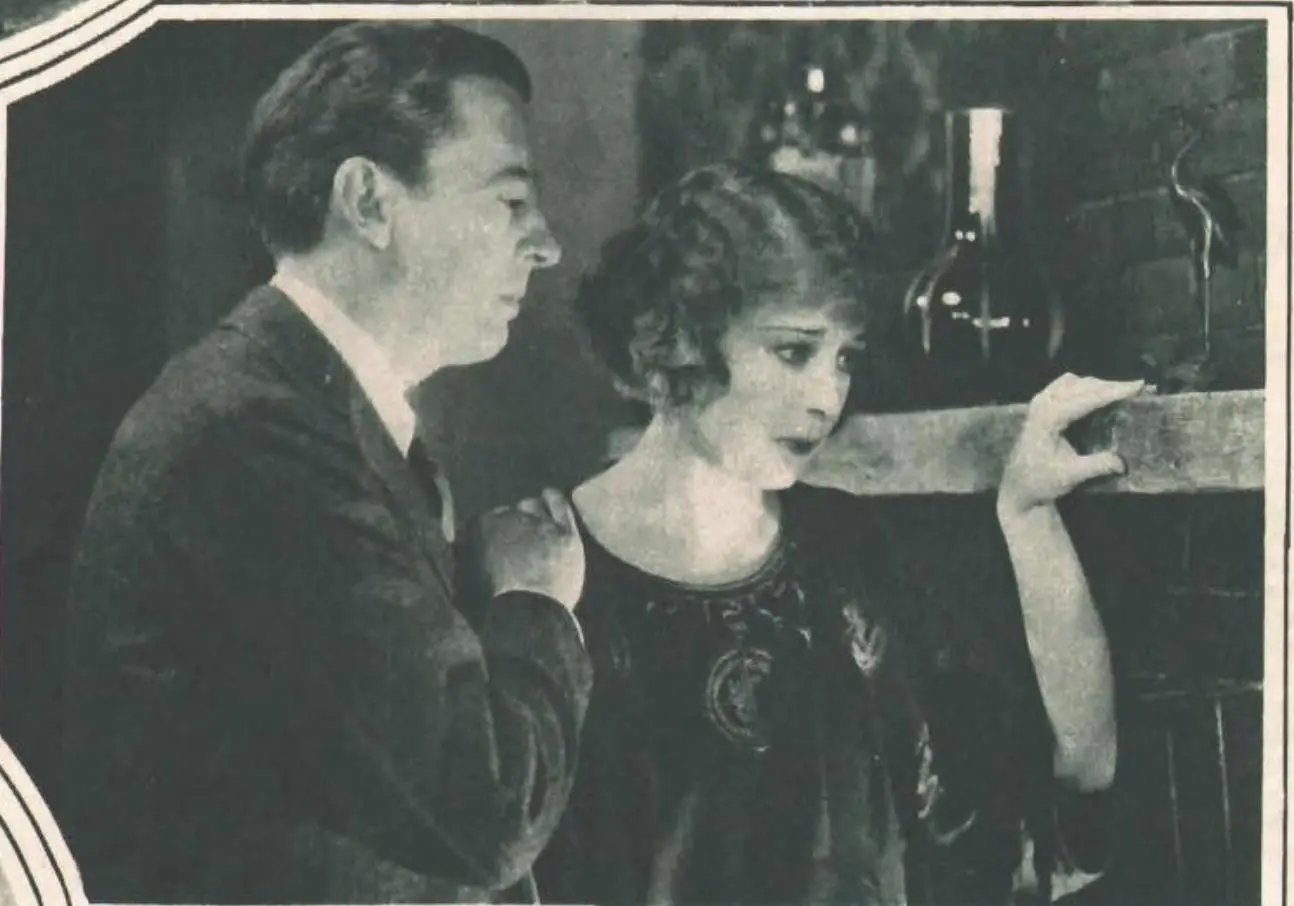
We see a similar complexity in The Small Town Guy, where a rustic innocent becomes a successful swindler. The film navigates the murky waters of ambition and deception, suggesting that the line between hero and villain is often a matter of perspective. In The Counterfeit Trail, the hero is framed, forcing him to operate outside the law to clear his name. These narratives of persecution and redemption resonate deeply with audiences who feel marginalized by traditional societal structures. The cult film becomes a sanctuary for the misunderstood, a place where the "black sheep"—like 'Blue Blazes' Rawden—can find a semblance of belonging, even if it is through a lens of violence or tragedy.
Gothic Shadows and Obsessive Visions
The dark, brooding atmosphere of the Gothic is another essential element of the cult DNA. The Hound of the Baskervilles brought the family curse and the investigative mystery to the screen with a sense of dread that remains palpable. The idea of a "family curse" is a powerful metaphor for the inescapable nature of the past, a theme that cult cinema often revisits through horror and psychological thrillers. The haunted estate in The Haunted Bedroom, where a journalist must go undercover to solve a disappearance, further cements the link between the unknown and the investigative urge—a drive that mirrors the cult fan’s desire to unearth forgotten gems.
Perhaps the most potent example of cult obsession in the early era is Il Fuoco (The Fire). This Italian masterpiece depicts an unknown painter’s total obsession with a famous poet. It is a film about the destructive power of art and love, a theme that echoes through the decades in films like *Possession* or *The Red Shoes*. The painter’s loss of talent in the face of his obsession is a haunting reminder of the cost of devotion—a cost that many cult fans are willing to pay as they delve deeper into the obscure corners of film history. The flame of passion, once lit, can consume everything in its path.
The Social Misfit and the Politics of the Fringe
Cult cinema is often inherently political, even when it doesn’t mean to be. By focusing on those on the fringes, these films offer a critique of the mainstream. The Woman in Politics presents a Dr. Beatrice Barlow who is fired for denouncing an unsanitary tenement owned by the mayor. This early exploration of corruption and systemic oppression is a precursor to the social thrillers of the 1970s. It places the protagonist in a position of principled rebellion, a role that cult audiences always embrace.
Similarly, Sunshine Nan contrasts the cheerful disposition of a girl with the grim reality of the slums. The film doesn’t shy away from the harshness of poverty, using it as a backdrop for a story of resilience. This focus on the "unseen" parts of society—the gold fields of Alaska in Paid in Advance or the lumber camps in 'Blue Blazes' Rawden—provides a window into worlds that the polished Hollywood machine would eventually try to sanitize. Cult cinema refuses that sanitization, opting instead for the grit, the grime, and the truth of the human condition.
The Enduring Legacy of the Nitrate Outlaws
As we look back at these silent and early sound era anomalies, we see more than just old movies; we see the blueprints for a century of rebellion. Films like The Trey o' Hearts, with its crippled antagonist and twin-sister love triangle, or Life's Whirlpool, with its unlicensed dentist McTeague, laid the groundwork for the narrative complexity and moral ambiguity we now associate with the highest forms of cult art. They taught us that a film doesn't need to be a box-office smash to be immortal; it only needs to speak a truth that no one else is willing to say.
The Midnight Cartel of the silent era was a loose collection of dreamers, weirdos, and rebels who understood that the screen was a place for more than just entertainment—it was a place for transfiguration. Whether it was the marital difficulties of "Hen" Peck in He Couldn't Fool His Wife or the royal intrigue of The Midnight Wedding, these films dared to be different. They embraced the weird, the unconventional, and the subversive.
Today, as we navigate a cinematic landscape often dominated by franchises and focus-group-tested content, the spirit of these early misfits is more important than ever. By revisiting films like The Married Flapper or The Upheaval, we reconnect with the primal energy of the medium. We remember that the most enduring stories are often the ones that were once cast aside. The cult of the cinematic outlier is not just about watching obscure films; it is about recognizing the rebel heart that beats within the history of the moving image. From the mountain bandits of Lubitsch to the fire-fighting goats of the short-subject era, the message is clear: the fringe is where the real magic happens.
In conclusion, the journey of cult cinema is a continuous thread, a nitrate trail that leads from the earliest days of the nickelodeon to the modern-day midnight screening. By decoding the genetic rebellion of these early genre defiants, we gain a deeper appreciation for the films that continue to haunt our dreams and inspire our own rebellions. The cartel remains open, the secret handshake is still being exchanged, and the shadows are as inviting as they have ever been.
Community
Comments
Log in to comment.
Loading comments…