
DbcultAccessing Vault...
Cult Cinema
Archivist John
Senior Editor
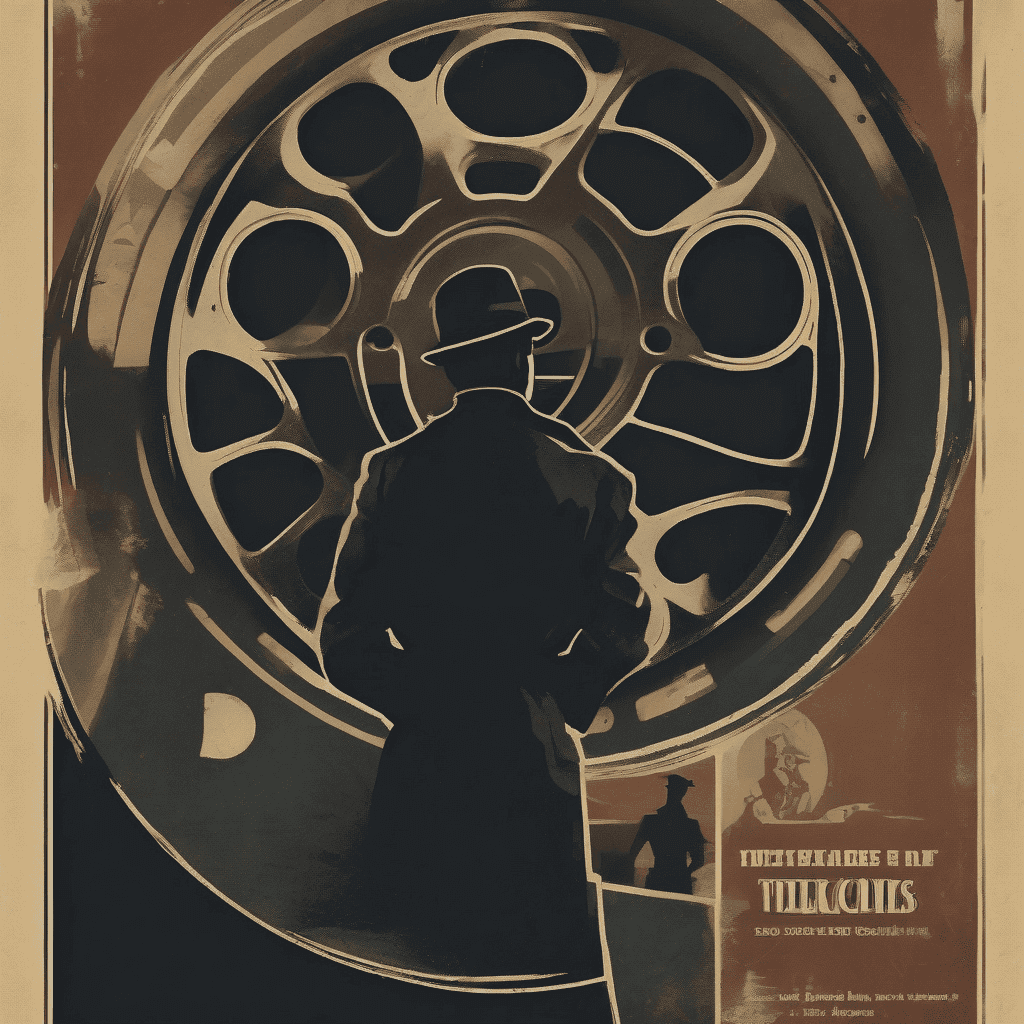
In the vast, ever-expanding universe of film, there exists a peculiar constellation known as cult cinema. These aren't merely popular movies; they are cinematic phenomena that defy easy categorization, often initially overlooked or misunderstood, only to be embraced with fervent devotion by niche audiences. What is it about these unconventional narratives, transgressive themes, and singular aesthetics that fosters such enduring loyalty? The answer, arguably, lies not just in their explicit rebellion against the mainstream, but in a primal cinematic resonance that has echoed through film history since its earliest days. We often associate cult films with the midnight movie circuit of the 70s and 80s, but the seeds of cult fandom were sown much earlier, in the fertile, often chaotic, ground of early 20th-century cinema.
Long before VHS tapes and streaming platforms allowed for repeated, intimate viewings, films that dared to be different carved out their own space. Early cinema, particularly the silent era, was a wild frontier. Filmmakers experimented with narrative structures, visual styles, and thematic content, often pushing boundaries simply because the 'rules' hadn't been fully codified. These early cinematic outliers, though not labeled 'cult' at the time, often contained the very DNA that would later define the genre.
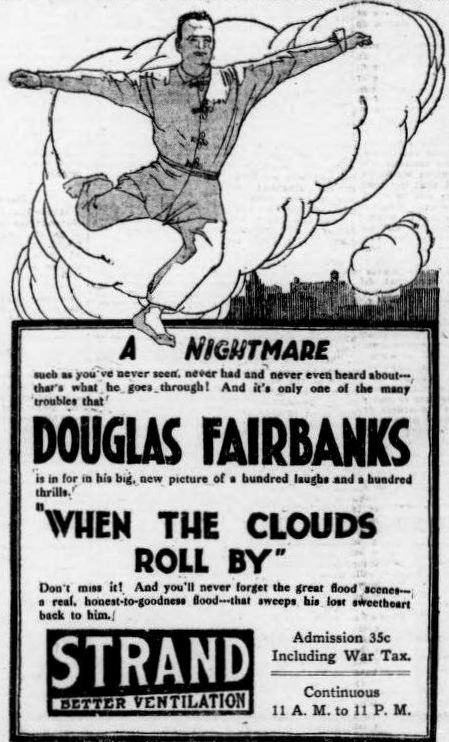
Consider films that explored complex psychological states or societal critiques. While not a modern cult classic, a film like When the Clouds Roll by, with its psychiatrist attempting to drive a man to suicide, delves into a darkness and psychological manipulation that would resonate with audiences seeking more than simple entertainment. Similarly, The Brass Check, which tackles corporate greed and an inventor confined to an asylum, speaks to themes of systemic injustice and individual struggle against powerful forces—a common thread in later cult favorites that question authority and societal norms. These early dramas, though perhaps aiming for broad appeal, often stumbled upon a subversive edge.
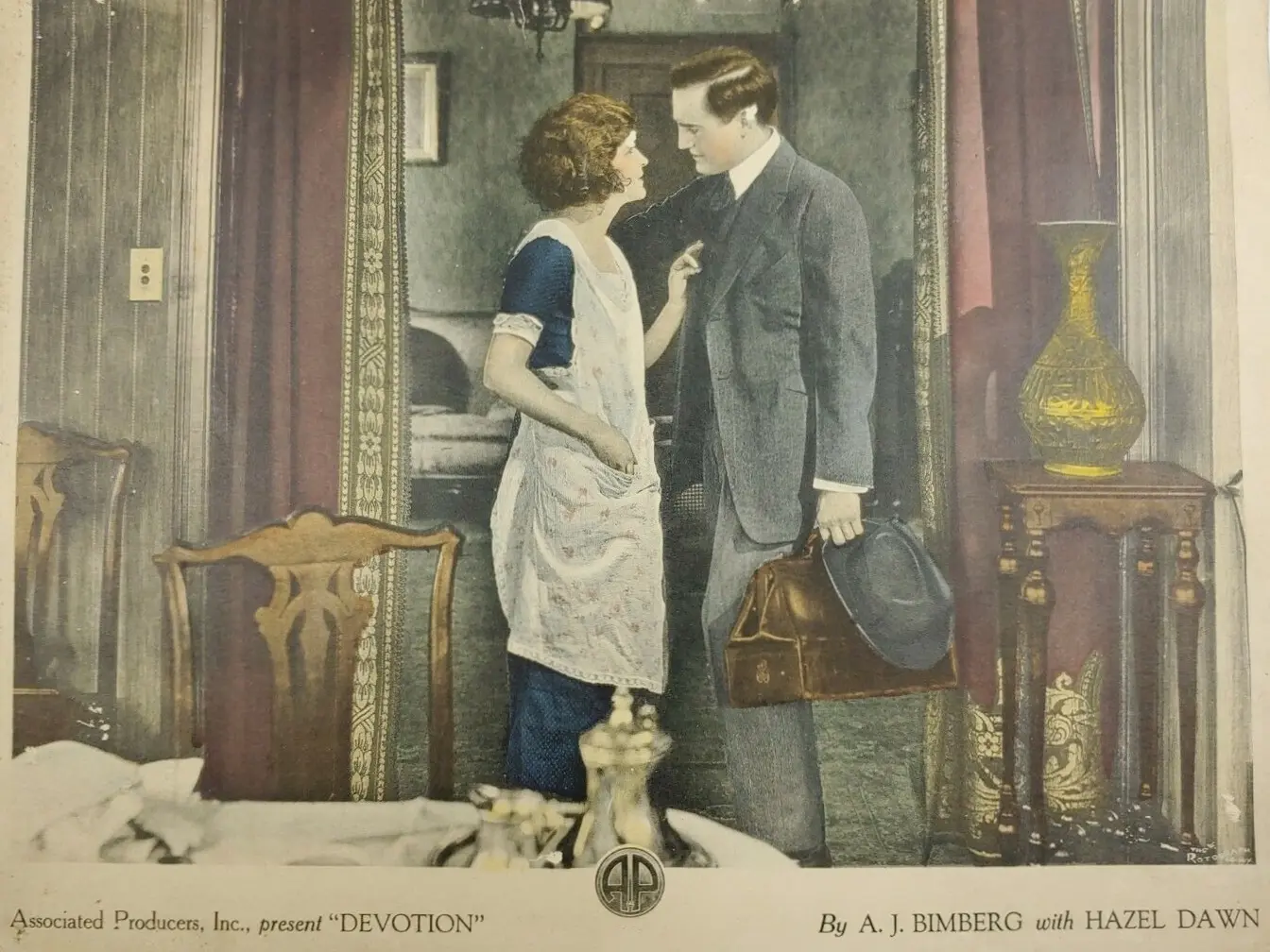
The very act of narrative subversion was present in films like The Impostor or The Deceiver, which explored themes of false identity, ambition, and moral ambiguity. Such stories, where characters operate outside conventional morality or social expectations, inherently appealed to those seeking narratives that mirrored their own feelings of alienation or desire for something 'other.' The allure of the 'bad guy' or the morally grey protagonist, a hallmark of many cult films, finds its early expression here.
What constitutes a 'taboo' evolves with society, but early cinema was no stranger to pushing the envelope of acceptable subject matter. Melodramas, in particular, often reveled in moral transgressions and the dramatic consequences of forbidden acts. Syndens datter (Daughter of Sin) explicitly dealt with illegitimacy and atonement, a heavy theme for its time. The Traitress explored betrayal and regret in a high-stakes military context, showcasing complex female characters driven by intense emotions rather than simple virtue.
The supernatural and the morally corrupt also found their way onto early screens, captivating audiences with their dark allure. The Devil's Bondwoman, with its allegorical struggle between good and evil, and Satan himself shaping human destiny, offered a fantastical yet morally charged narrative that likely fascinated and perhaps even scandalized viewers. These films, by tackling subjects deemed risqué or exploring the darker aspects of human nature, began to cultivate an audience that appreciated their daring visions.

Even within crime dramas, the exploration of deviance was profound. Jim the Penman, featuring a bank clerk turned forger, and Midnight Gambols, which depicts the psychological impact of a forger's arrest on his pregnant wife, delve into the underbelly of society. The latter, with its mention of a daughter suffering 'strange trances,' even hints at elements of the bizarre and psychological horror that would become staples of cult cinema. These were not just cautionary tales; they were glimpses into forbidden worlds, offering a vicarious thrill that transcended simple entertainment.
A core tenet of cult cinema is its embrace of characters who are outsiders, misfits, or rebels. This archetype, too, has roots in early film. Think of The Rise of Jenny Cushing, a resourceful young girl struggling to escape slum life. Her grit and determination against societal odds speak to the enduring appeal of the underdog. Similarly, The Single Track presents a damsel-in-distress Western melodrama, but its 'spunky and gritty Polly Pur...' suggests a female protagonist with agency, a departure from more passive heroines, foreshadowing the strong, unconventional women found in later cult hits.
Even films focused on physical prowess, like A Forest Samson, which features a strong man inclined to bullying, explore the complexities of power and morality. The titular character in The Fire Eater, a forest ranger named 'Smilin' Bob' Corey, might seem conventional, but his role in 'peacefully penetrating' Paradise Valley against sullen townspeople suggests a nuanced conflict that could appeal to audiences looking for more than black-and-white heroism. These characters, whether overtly rebellious or subtly complex, offered alternative models of heroism and humanity.
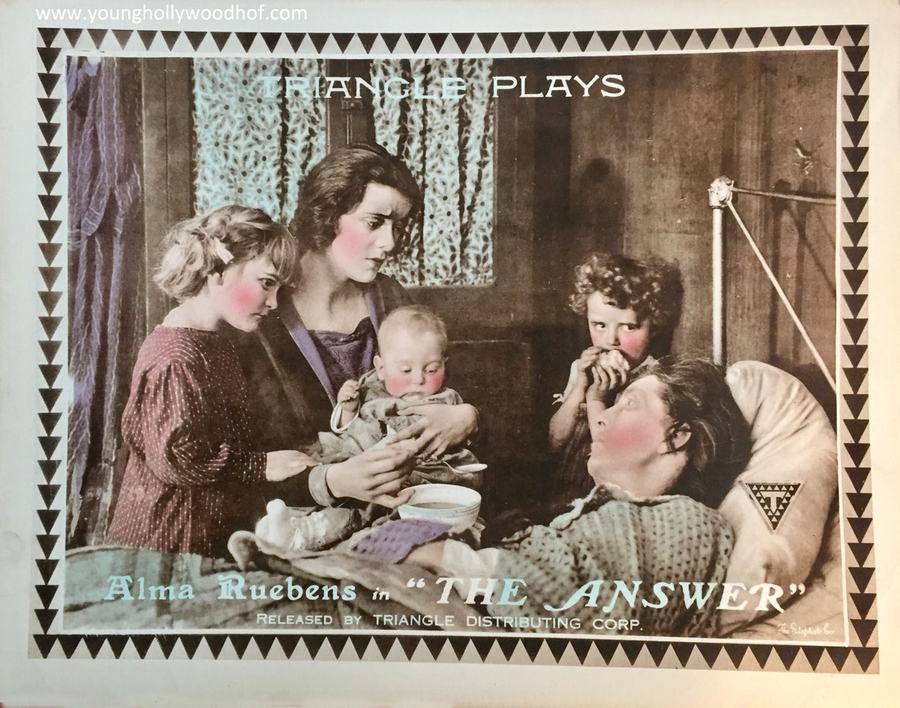
Beyond narrative, the visual and experiential aspects of early cinema also laid groundwork for cult appeal. Films that offered something visually unique or emotionally intense created a lasting impression. Spectacle was a key draw, and even in the silent era, some films pushed boundaries. The Biggest Show on Earth, set in a circus with a lion tamer heroine, promises a visual feast and dangerous thrills, elements that would always attract those seeking heightened experiences.
The exotic and the mythological, though perhaps not 'bizarre' to contemporary audiences, offered a distinct departure from everyday life. Mohini Bhasmasur, a mythological film about Lord Shiva and Vishnu, provided a rich tapestry of Indian folklore, appealing to a specific cultural or spiritual interest that mirrors how niche genres like fantasy or horror build dedicated followings today. Similarly, Zohra, with its shipwrecked Frenchwoman rescued by Bedouins, offered an adventurous, cross-cultural narrative that was likely exotic and captivating.
Even early comedies, often dismissed as simple entertainment, could harbor a subtle absurdity or transgressive humor. April Fool, described as a 'burlesque on the life of a sailor at sea,' and No Parking, a short about the difficulties of finding accommodation with a baby and dog, could have contained elements of slapstick or social commentary that resonated with particular sensibilities, laying the groundwork for the more overt absurdism found in later cult comedies.
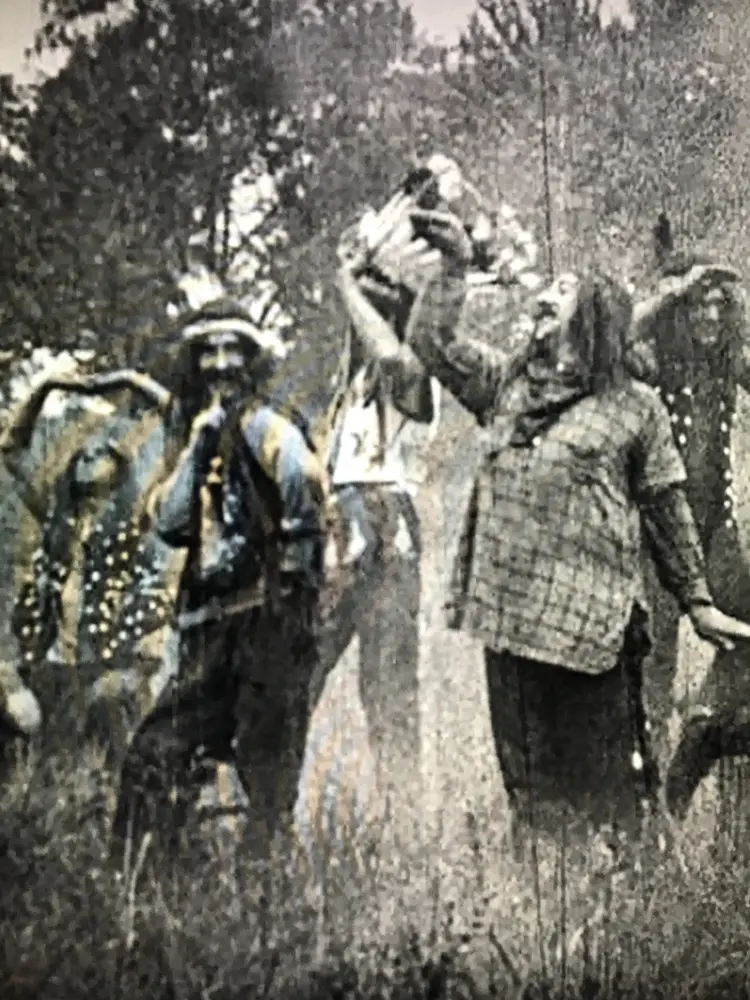
Many cult films gain their status by addressing themes that mainstream society often represses or ignores. Early cinema, too, had its moments of touching on the unspoken. The Ordeal of Elizabeth, which explores complex romantic entanglements and familial expectations, likely tapped into anxieties and desires of its audience that were not openly discussed. Films like The Kiss or The Unwelcome Wife, while melodramas, centered on relationships and their inherent conflicts, offering dramatic explorations of love, infidelity, and societal pressures.
The idea of hidden truths or secret lives, central to many cult narratives, is also present. The Lane That Had No Turning, with its protagonist carrying 'a pair of secrets' related to wealth and an alternate will, builds suspense around concealed information and its potential to upend lives. These narratives of hidden depths and moral complexities, even in their nascent forms, were crucial in developing the appetite for cinema that dared to look beneath the surface.
While the concept of a 'cult following' as we understand it today – with midnight screenings, audience participation, and dedicated fan communities – truly blossomed in later decades, the foundation for such devotion was laid in these early cinematic experiments. Audiences have always sought films that speak to them on a deeper, more personal level, often gravitating towards those that reflect their own experiences, desires, or anxieties that mainstream fare might shy away from.
The films of the early 20th century, from grand melodramas like Souls Triumphant and The Little Church Around the Corner, which explored moral redemption and societal judgment, to adventurous tales like The Millionaire Pirate and Westerns like Nobody's Wife, each contributed to a growing cinematic vocabulary. They collectively demonstrated the power of film to transport, provoke, and resonate. Even relatively straightforward narratives like Bringing Up Betty, a romantic comedy about a steel magnate faking bankruptcy, or Widow by Proxy, about spinster sisters refusing to meet their nephew's actress bride, contain elements of social commentary, character eccentricity, or a departure from strict realism that could appeal to particular tastes.
The very act of seeking out films that weren't the biggest box office hits, or that offered a distinct flavor, was an early form of niche consumption. Whether it was the raw emotion of Little Jack, dealing with infidelity and heartbreak, or the more lighthearted antics of Torchy Takes a Chance and Good Morning, Nurse, these films helped shape an audience that appreciated the breadth and depth of cinematic expression. They taught audiences to look for meaning, for spectacle, for challenge, and for pure, unadulterated escapism.
Ultimately, the enduring allure of cult cinema is a testament to the human desire for connection, for belonging, and for meaning in art that reflects our own unique perspectives. It's about finding oneself in the characters, the themes, or the very aesthetic of a film that the mainstream might have dismissed. From the early moral quandaries of The Invisible Power and The Eyes of Mystery to the social commentary of Tempest Cody Bucks the Trust and Women Who Win, these films, and countless others from cinema's formative years, laid down the proto-cult blueprint.
They demonstrated that films don't need universal acclaim to be profoundly impactful. Sometimes, the most powerful cinematic experiences are those shared by a dedicated few, who see in a film's perceived flaws or eccentricities a profound truth or an exhilarating rebellion. The journey of cult cinema is a continuous thread woven through the fabric of film history, from the flicker of silent images in Parisette or Tingeltangel to the vibrant, interactive midnight screenings of today. It's a testament to the fact that the most beloved films are not always the most conventional, but often those that dare to be gloriously, unapologetically themselves. This cinematic rebellion, rooted in the very beginnings of the medium, continues to captivate and inspire, proving that the fringe can indeed become a pantheon.