
Cult Cinema Deep Dive
The Nocturnal Apothecary: How Early Cinema’s Genre Mutants and Moral Misfits Forged the Modern Cult Obsession
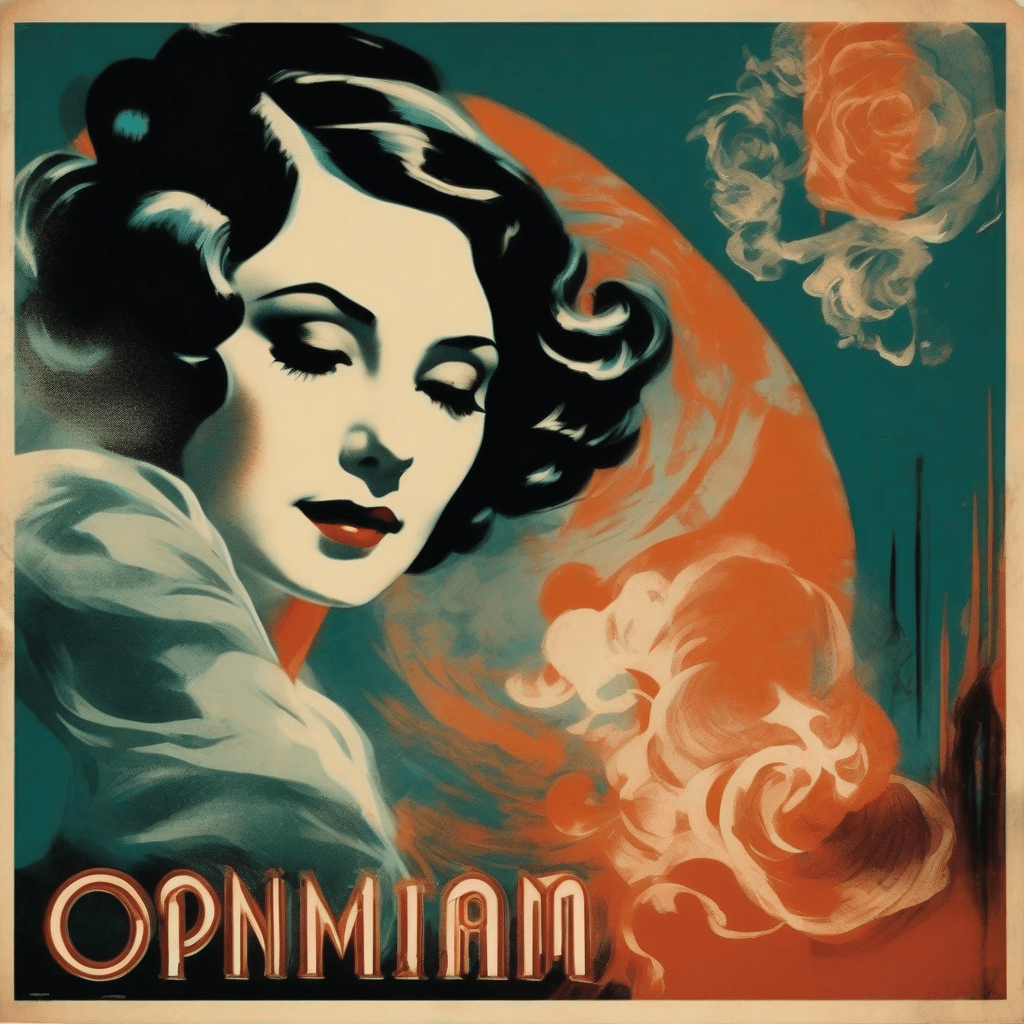
“A deep dive into the transgressive roots of cult cinema, exploring how the silent era's most daring outliers and moral misfits established the blueprint for modern niche obsession.”
The history of cinema is often written by the victors—the blockbusters, the Oscar-winners, and the sanitized narratives that fit neatly into the cultural zeitgeist. However, beneath the surface of the mainstream marquee lies a sprawling, shadow-drenched landscape known as cult cinema. This is not a genre defined by style, but by a specific type of devotional energy. To understand why we worship at the altar of the unconventional today, we must look back to the early 20th century, a time when the rules of the medium were still being forged in the fires of narrative anarchy and moral transgression. This era, spanning roughly from 1910 to 1925, acted as a nocturnal apothecary, mixing the potent chemicals of social deviance, psychological horror, and genre-bending experimentation that would eventually become the DNA of the modern midnight movie.
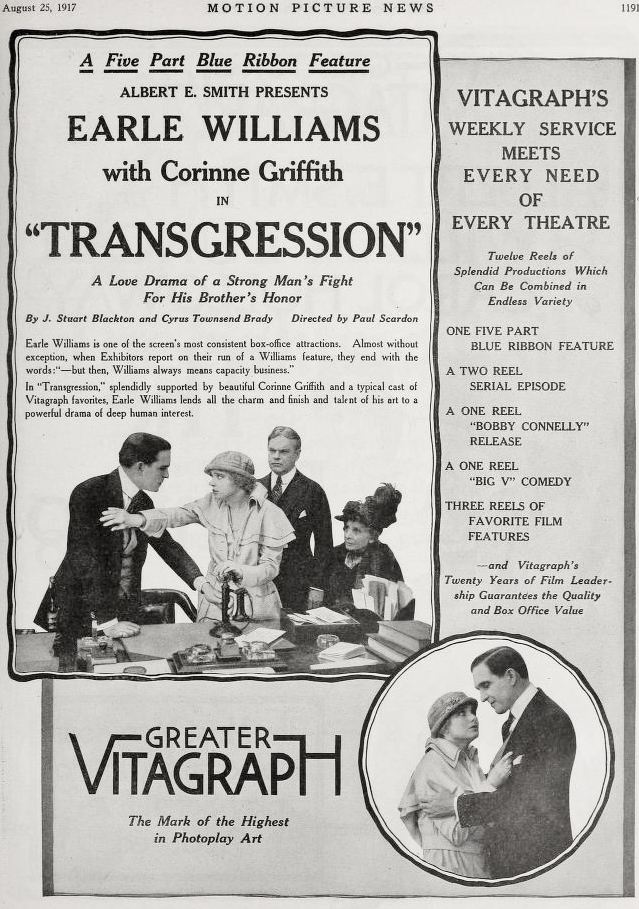
The Moral Alchemy of the Silent Screen
One of the primary catalysts for cult obsession is the exploration of the shadow self—the parts of the human psyche that society prefers to keep hidden. In the early 1910s, filmmakers were already pushing the boundaries of moral ambiguity. Consider the 1917 film The Guilt of Silence. Set against the brutal, unforgiving backdrop of the Alaskan gold rush, it presents a world where unscrupulous fortune-seekers like Amy and Gambler Joe are not just villains, but complex avatars of greed. The film’s focus on the psychological weight of a snowbound pursuit mirrors the claustrophobic tension we see in modern survivalist cult classics. It established a precedent: that the environment could be as much of a character as the actors themselves.
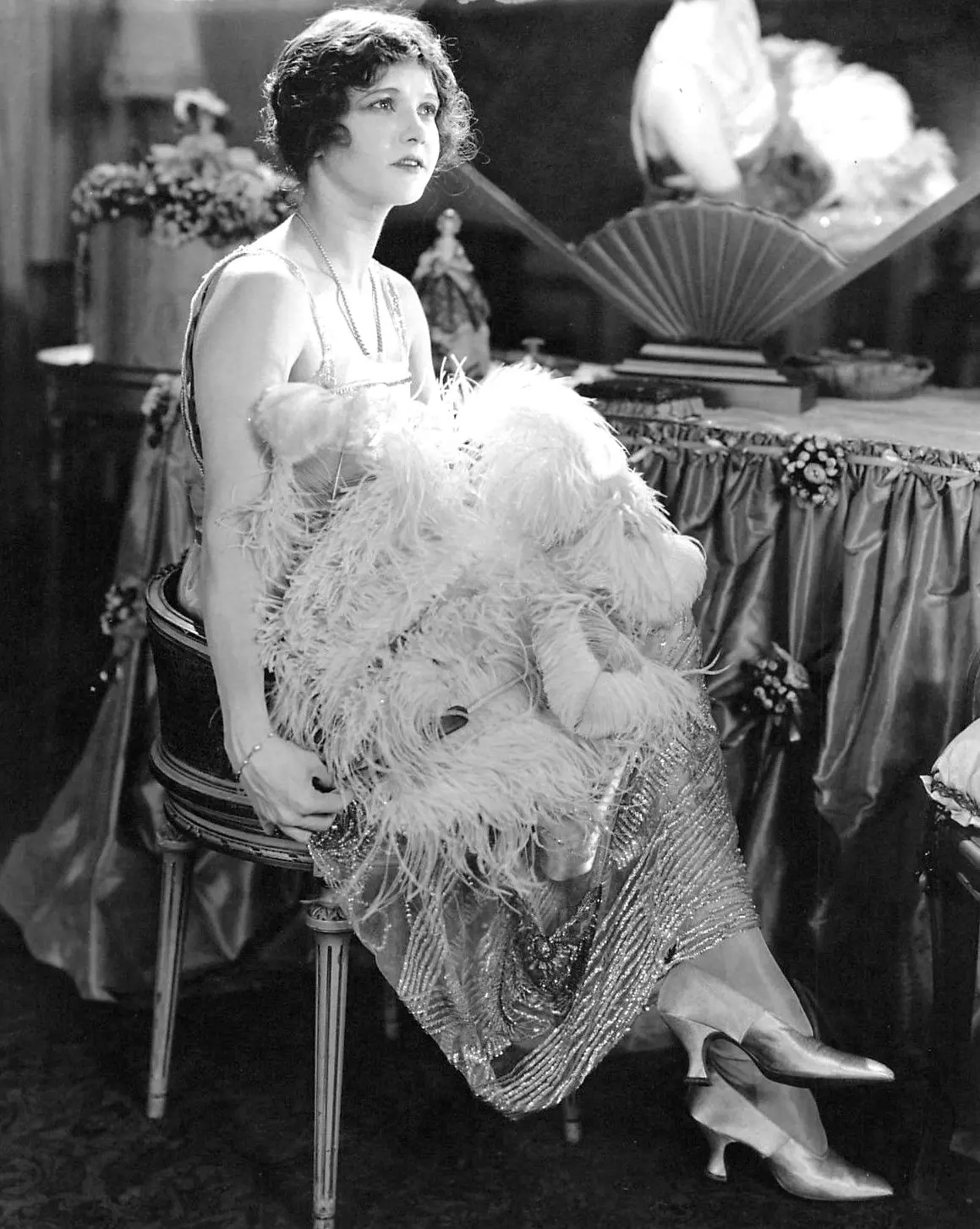
This theme of internal torment was further refined in The Avenging Conscience: or 'Thou Shalt Not Kill'. Directed by D.W. Griffith but inspired by the macabre poetry of Edgar Allan Poe, this film serves as a foundational text for psychological horror. By visualizing the haunting of a guilty mind, it moved cinema away from simple stage-play reproduction and into the realm of the surreal and the subconscious. It is here, in the flickering shadows of a murderer’s conscience, that the cult audience first found a reflection of their own anxieties. The film’s transgressive nature—suggesting that the mind is a prison more terrifying than any iron bars—is a recurring motif in the works of Lynch, Cronenberg, and other maverick directors who followed.
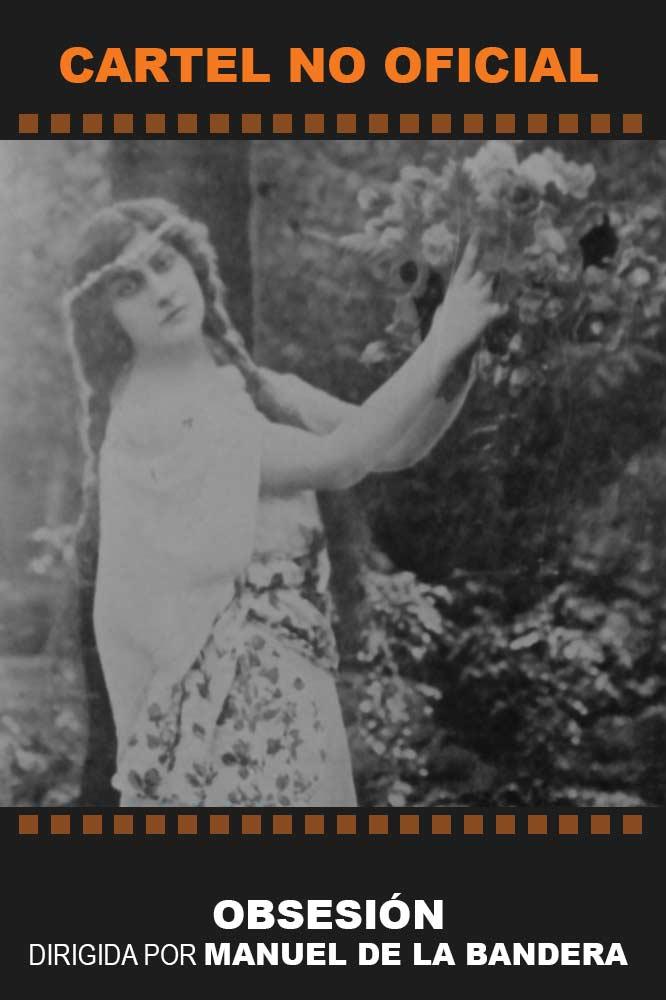
The International Fringe and the Rise of the Anti-Hero
While Hollywood was busy codifying the hero’s journey, international filmmakers were experimenting with much darker shades of gray. The 1919 film Opium, directed by Robert Reinert, is a prime example of the transgressive internationalism that fuels cult fandom. Centered on a Chinese opium dealer’s revenge against Westerners who corrupted his wife, the film tackled themes of addiction, racial tension, and moral decay with a visceral intensity that was decades ahead of its time. It didn’t seek to comfort the audience; it sought to provoke them, much like the underground cinema of the 1970s.
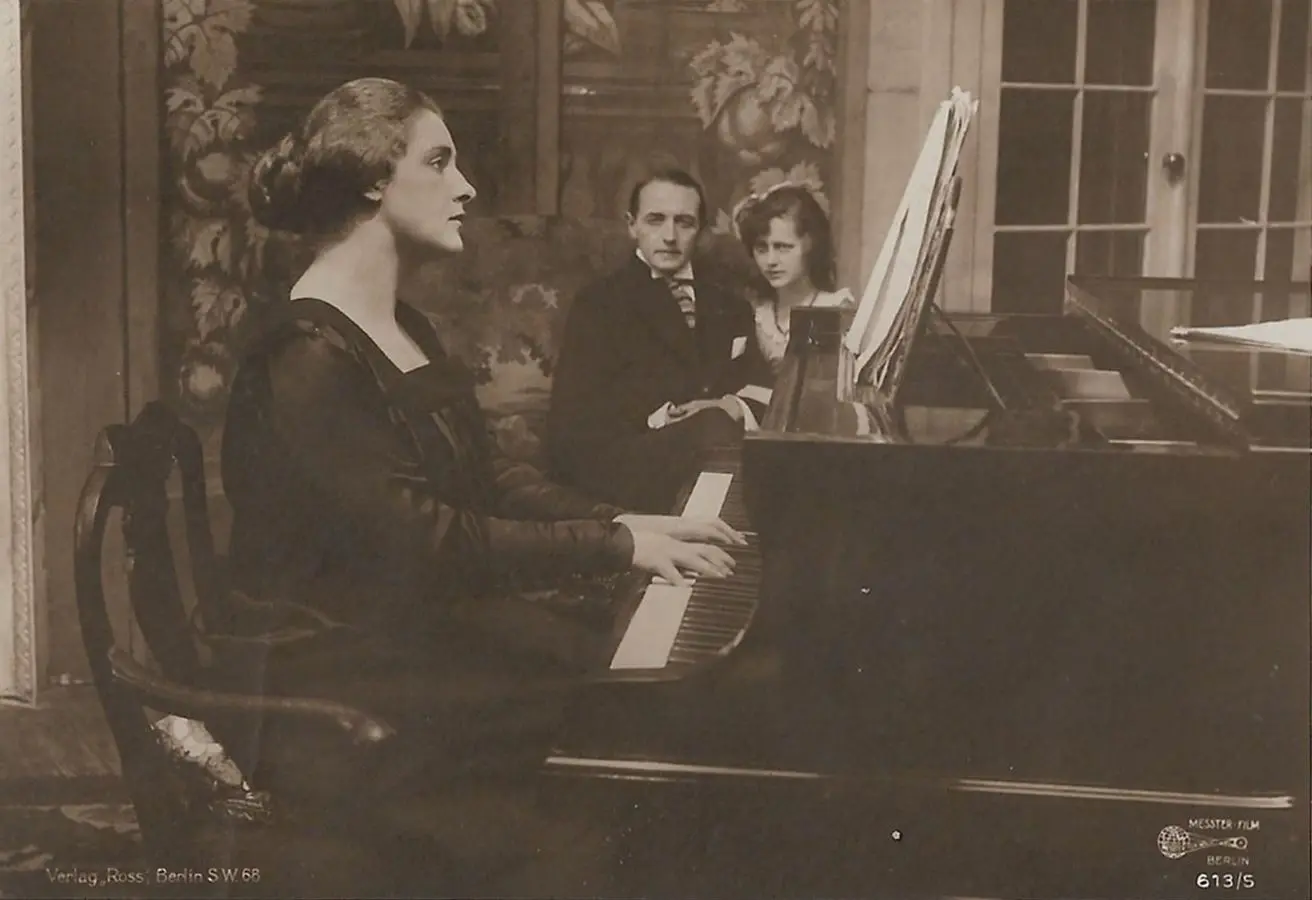
Similarly, the French serial The Vampires: The Poisoner introduced the world to the concept of the organized criminal underworld as a source of dark fascination. With characters like Irma Vep and the villainous Satanas, cinema discovered the magnetic power of the antagonist. These were not just 'bad guys'; they were icons of rebellion. The aesthetic of the 'Vampires'—black-clad, nocturnal, and operating in the urban shadows—became a stylistic blueprint for everything from film noir to the goth-inflected cult hits of the 1990s. This fascination with the 'outlaw' is also evident in All Man (1918), where a foreman turns to a life of safe-cracking. It challenged the audience to empathize with a criminal, a move that remains a cornerstone of the cult ethos.
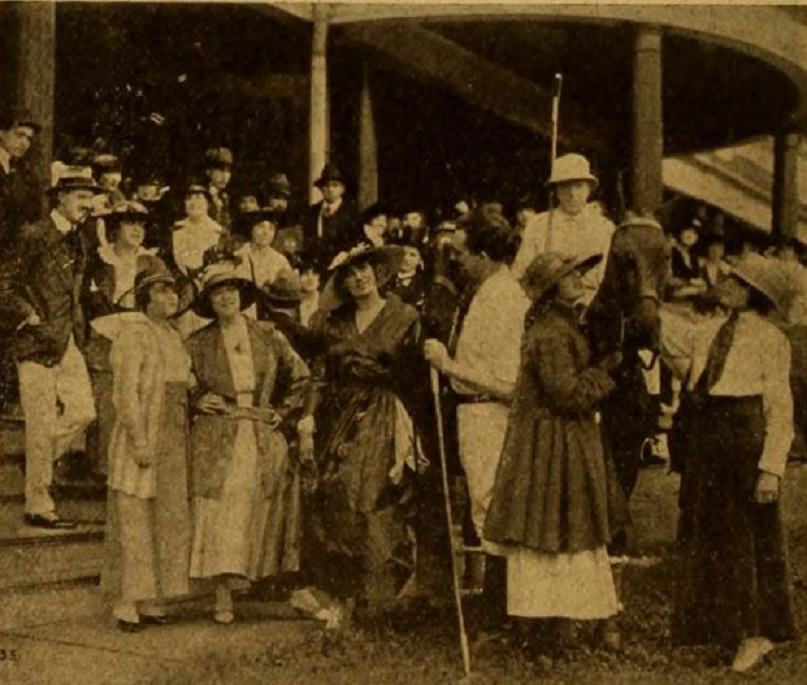
Surrealism and the Bizarre: The Short Film as a Lab
Cult cinema often thrives on the 'weird'—the inexplicable moments that defy logic and linger in the memory. In the early era, short films acted as laboratories for this visual anarchy. Take Coeur de grenouille (Frog’s Heart), a bizarre short featuring a frog trapped in a bowl, aided by a rat and a squirrel. This anthropomorphic surrealism predates the avant-garde movements of the late 1920s and offers a glimpse into a world where the laws of nature are subservient to the whims of the filmmaker. It is this same 'anything goes' spirit that defines the midnight movie circuit, where the strangest visions are the ones most likely to achieve immortality.
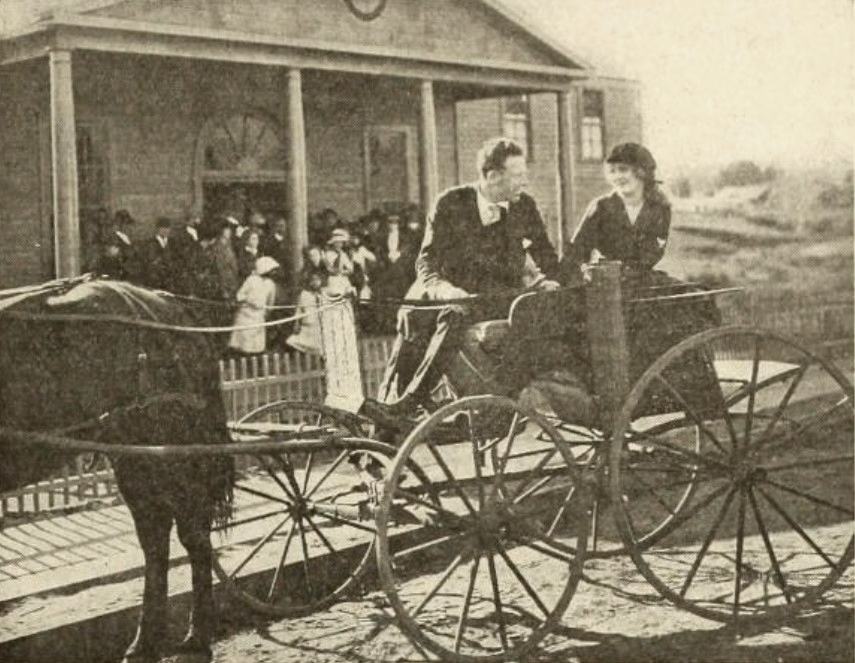
Comedy, too, had its dark and surreal edges. O Villar eis ta gynaikeia loutra tou Falirou, a Greek comedy, and Look Pleasant Please, featuring the iconic Mutt and Jeff, utilized physical absurdity to comment on social norms. These films weren't just about laughs; they were about the subversion of reality. When we watch a naive young man struggle with the hustle and bustle of New York in School Days, or witness the domestic chaos in Meet Betty's Husband, we are seeing the early iterations of the 'cringe comedy' and social satire that would later define indie cult hits.
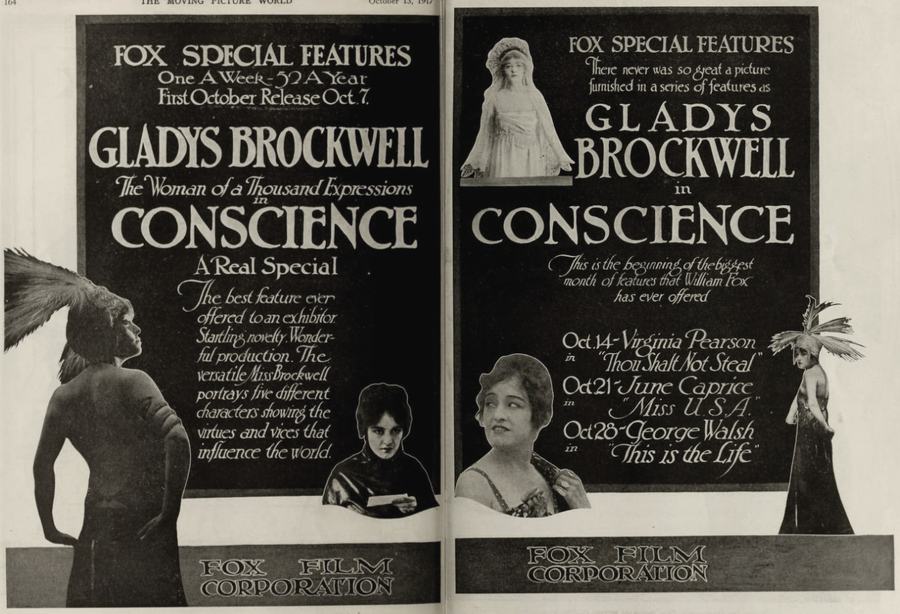
The Female Outcast and the Politics of Virtue
A significant portion of the early 'misfit' canon deals with the plight of the woman on the fringes of society. Films like Outcast (1917) and The Woman God Sent provided a raw, often heartbreaking look at the consequences of social abandonment and poverty. In Outcast, Miriam Gibson’s descent into prostitution following her abandonment is treated with a level of empathy that was radical for the time. These films didn't offer the easy resolutions of mainstream romances; instead, they dwelled in the 'cup of life'—the bitter and the sweet alike.
This exploration of the 'fallen woman' archetype is further explored in The Cup of Life and The Auction of Virtue. These narratives often centered on the choice between material wealth and moral integrity, a tension that resonates with the counter-cultural movements that would later embrace cult cinema. The character of Phyllis Shaw in The Auction of Virtue, who rejects a poor artist for a rich suitor, serves as a cautionary tale that subverts the traditional 'happily ever after' trope. In these films, the 'outcast' status is not just a plot point; it is a political statement about the rigidity of the class system, a theme echoed in The Shuttle and A Nymph of the Foothills.
Genre Mutations: From Westerns to Arctic Adventures
Cult cinema is frequently born at the intersection of genres. The early 20th century was a hotbed for these mutations. The Iron Trail and The Long Trail utilized the harsh environments of the North to create a new kind of 'Arctic Western,' where the struggle against nature was as much a part of the drama as the conflict between men. These films, along with Border Raiders and The Third Woman, took the established tropes of the Western and infused them with elements of the thriller and the melodrama. In Border Raiders, the ranch becomes a headquarters for an opium smuggling ring—a plot twist that feels remarkably modern in its grittiness.
The era also saw the birth of the 'Secret Society' thriller, a genre that would become a staple of cult obsession. The Ivory Snuff Box and Detective Craig's Coup introduced audiences to the world of international espionage and secret police, filled with gadgets, disguises, and labyrinthine plots. These films tapped into a growing public fascination with the hidden gears of global power, a paranoia that has fueled countless cult conspiracy thrillers since. Even the adventure genre was not immune to this 'cultification.' The Three Musketeers (1921) and The King's Game brought a sense of theatricality and 'maverick' energy to the screen, focusing on the rogue elements of the court rather than the establishment itself.
The Homesteader and the Pioneer Spirit
Perhaps no film from this era embodies the 'cult' spirit of independence more than The Homesteader by Oscar Micheaux. As the first feature film directed by an African American, it is a landmark of 'race cinema'—a parallel industry that operated entirely outside the white-dominated Hollywood system. The story of Jean Baptiste, a lone Black homesteader in the Dakotas, is a powerful narrative of isolation, resilience, and the search for identity. The very existence of this film, produced against all odds and distributed through unconventional channels, is the ultimate testament to the pioneer spirit that drives cult cinema. It is a film that was made for a specific, underserved audience, creating a community of viewers that the mainstream chose to ignore.
Conclusion: The Enduring Spell of the Anomalous
Why do we continue to seek out these forgotten reels? Why does a film like Atavismo dell'anima or L'âme du bronze still hold a certain 'magnetic anomaly' for the modern cinephile? The answer lies in the authenticity of the anomaly. Cult cinema is the home of the 'unpolished' and the 'unafraid.' Whether it is the documentary footage of Nankyoku tanken katsudô shashin (the Japanese Antarctic expedition) or the melodramatic heights of Die weißen Rosen von Ravensberg, these films represent a time when the cinematic language was still a wild, untamed frontier.
The early century's genre outcasts—the Blackbirds, the Glorious Fools, and the Lady Bell Hops—were the original architects of the midnight mindset. They taught us that a film doesn't need a massive budget or a perfect script to be 'important.' It only needs a vision that is singular, a voice that is honest, and a soul that refuses to conform. As we navigate the polished, algorithm-driven landscape of modern entertainment, the nocturnal apothecary of the silent era remains open, offering its strange and potent elixirs to those brave enough to look beyond the marquee. The cult continues, not because we love 'bad' movies, but because we crave the subversive truth that only the outcasts can tell.
Community
Comments
Log in to comment.
Loading comments…