
Cult Cinema
The Outlier's Odyssey: Navigating the Subversive Currents of Early Film's Forgotten Fringes

“Journey through the untamed landscapes of early cinema where genre-bending narratives and social defiance laid the groundwork for modern cult devotion.”
The history of cinema is often told through the lens of the victors—the blockbusters that shattered box office records and the prestige dramas that swept awards ceremonies. However, beneath the polished veneer of the mainstream lies a sprawling, chaotic, and infinitely more fascinating territory: the realm of the cult outlier. Long before the term "midnight movie" was coined, the silent era and the early days of talkies were already teeming with films that defied convention, challenged social mores, and invited a specialized kind of devotion. These were the works that lived in the shadows, the films that didn't quite fit the mold of the burgeoning Hollywood machine, and yet, they possessed a narrative anarchy that resonates with us to this day.
The Dawn of the Deviant: Slapstick as Subversive Critique
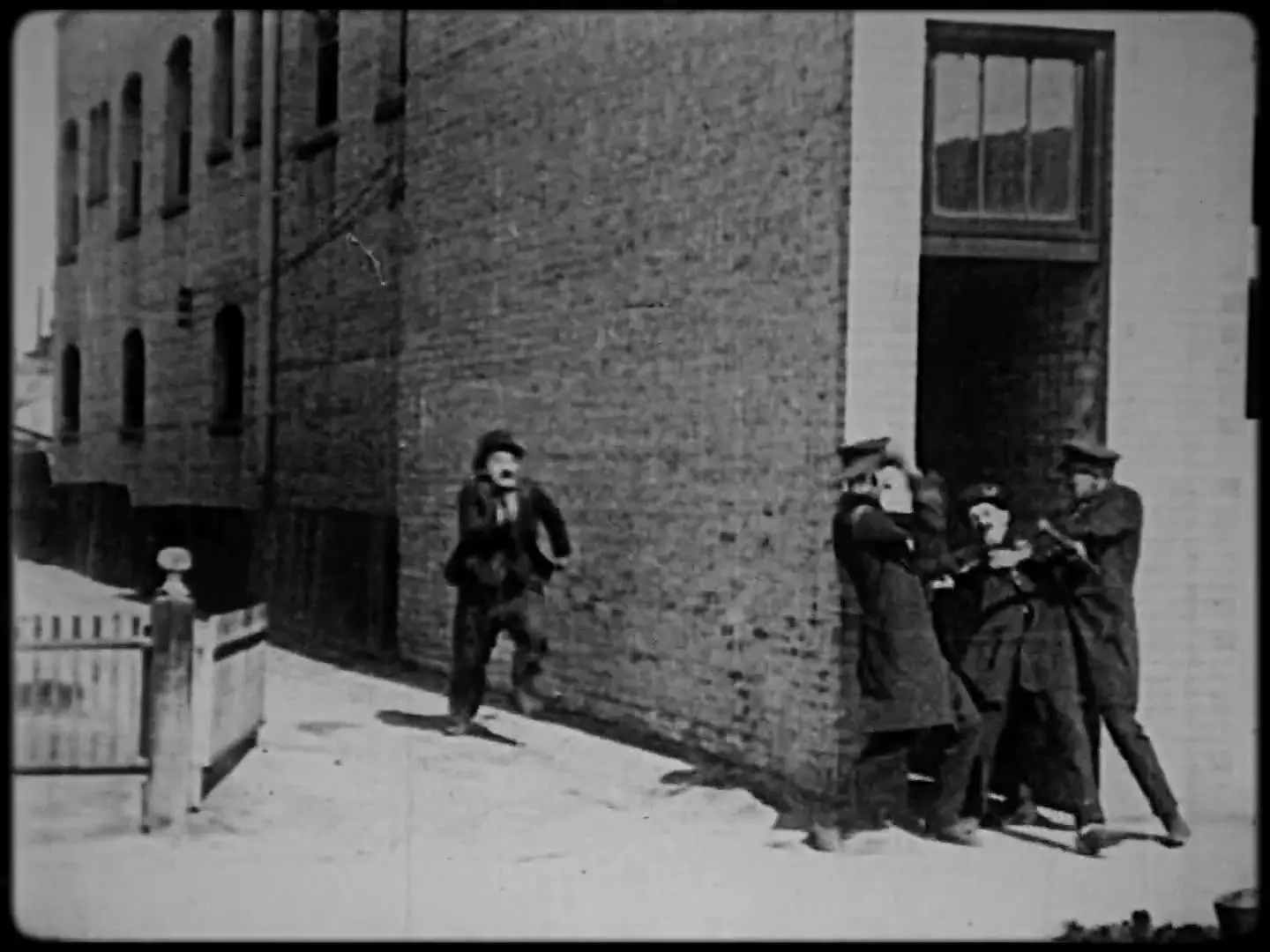
In the early 20th century, comedy was more than just a distraction; it was a tool for dismantling the rigid structures of modern society. Consider the short film The Water Plug. On the surface, it is a simple comedy about a man named Billy on the bum. But look closer, and you find a biting commentary on systemic corruption. Billy observes a policeman taking a bribe to tear up a ticket, and his response is to acquire a fake fire plug and a badge to run his own scheme. This isn't just slapstick; it's a cynical look at the malleability of authority—a theme that would become a cornerstone of cult cinema's rebellious spirit.
Similarly, Gasoline Gus presents us with a "boob" who accidentally succeeds by selling fake oil stock. In an era of industrial expansion, Gus's accidental oil spout serves as a satirical jab at the speculative nature of the American Dream. These films didn't just aim for laughs; they aimed for the jugular of societal pretension. They were the ancestors of the counter-culture comedies that would emerge decades later, proving that the "cult" mindset of questioning the status quo was baked into the celluloid from the very beginning.
Moral Ambiguity and the Social Conscience
While the mainstream often preferred black-and-white morality, the fringes of early cinema were exploring the gray areas of the human condition. The Blacklist, based on the 1915 Colorado miners' strike, was a radical departure from the sanitized dramas of its time. By focusing on the manager Warren Harcourt and the chain of events triggered by industrial unrest, the film engaged with real-world trauma and political struggle. This was cinema as a mirror to the disenfranchised, a trait that remains a defining characteristic of cult classics that seek to give voice to the marginalized.

Satire and the Death of Ideals
Then there is The Dawn of Freedom, a stinging satire on the erosion of American ideals. By contrasting the "spirit of '76" with the contemporary reality of the early 20th century, the film challenged its audience to reflect on the nature of patriotism and progress. In the same vein, Hamlet brought the gothic and the spectral to the screen, with Horatio describing the ghost on the battlements. These films dared to be "difficult," to be haunting, and to be deeply critical of the world they inhabited, carving out a space for the "unconventional prophet" in the cinematic landscape.
Identity, Masquerade, and the Fluidity of Self
Cult cinema has always been obsessed with the idea of transformation and the masks we wear. Rich Girl, Poor Girl takes the classic "Prince and the Pauper" trope and infuses it with a sense of uncanny resemblance and social experimentation as Nora and Beatrice switch lives. This fascination with identity is echoed in Wanted: A Husband, where Darcy Cole invents a titled fiancé to escape the judgment of her roommates. These narratives suggest that the self is a performance, a concept that would later be explored in the drag-infused and gender-bending cult films of the 1970s.
In How Women Love, we see the aspiring singer Rosa Roma forced into a contract that forbids her from falling in love or using her own name. This stripping of identity for the sake of art and commercial gain is a dark, recurring motif. It speaks to the sacrifice of the individual to the machine, a theme that resonates deeply with audiences who feel alienated by the pressures of modern life. These films weren't just telling stories; they were deconstructing the social contracts that govern our existence.
Psychic Powers and the Supernatural Fringe
The "weird" has always had a home in the cult canon. The Witching Hour introduced Jack Brookfield, a gentleman gambler who discovers he possesses remarkable psychic powers. His intuition in games of chance is presented not just as luck, but as an otherworldly gift. This foray into the paranormal—much like the ghostly visitations in Hamlet—provided a blueprint for the supernatural thrillers that would eventually gain cult status. These films tapped into the primal human fascination with the unseen and the inexplicable, offering a cinematic séance for those looking to transcend the mundane.
The Curiosity of the Documentary
Even the documentary format wasn't immune to the allure of the unusual. Slaying the Hippopotamus and The Colosseum in Films offered glimpses into worlds both foreign and ancient, satisfyng a hunger for "educational" content that leaned into the spectacular. Meanwhile, The Reawakening focused on the rehabilitation of wounded soldiers, bringing a stark, documentary realism to the screen that was often missing from the melodramatic war films of the era. This blend of the strange and the real is a hallmark of the cult documentary, where the subject matter itself is enough to draw a dedicated, niche following.
The Serialized Ritual: Devotion in Chapters
Cult cinema is often defined by the ritual of the viewing experience. In the silent era, this was manifested in the serial. The Branded Four and The $1,000,000 Reward were 15-chapter sagas that required a specific kind of commitment from the audience. This "appointment viewing" created a community of fans who would return week after week to see the latest exploits of masked fighters like those in The New Mission of Judex. This serialized devotion is the direct ancestor of the modern fandom, where the act of following a story becomes a shared cultural event.
In these serials, we see the birth of the action hero and the "masked fighter for justice," archetypes that would go on to dominate pop culture. But in their original form, these films were often experimental, utilizing innovative camera work and pacing to keep audiences hooked. They were the "pulp fiction" of their day, dismissed by high-brow critics but worshipped by the masses who recognized the raw power of the moving image.
Forbidden Desires and Tropical Isolation
Perhaps no film in this collection better exemplifies the proto-cult spirit than The Blue Lagoon. Set in the Victorian period, it follows two children shipwrecked on a South Pacific island. As they grow into maturity without adult guidance, the film explores the awakening of sexuality in a way that was both daring and poetic for its time. It is a story of isolation, discovery, and the subversion of Victorian morality—themes that have made it a recurring subject of cinematic fascination.
This exploration of "forbidden" or "natural" impulses, away from the prying eyes of society, is a central pillar of cult cinema. Whether it's the feckless flapper in Reckless Youth who marries to escape her family only to find herself still immature and restless, or the society girl in The Way of a Maid who finds herself mistaken for a servant and enjoys the freedom of the masquerade, these films are about the tension between our public selves and our private desires.
Conclusion: The Eternal Flicker of the Fringe
The films of the early 20th century—from the lumber camp dramas of The Measure of a Man to the Corsican vendettas of Mr. Barnes of New York—were more than just precursors to the modern industry. They were the original outliers. They were the films that dared to be weird, political, transgressive, and deeply human. By unearthing these forgotten reels, we don't just find "silent era gems"; we find the genetic code of the cult movie soul.
The legacy of the outlier is one of resilience. It is the story of The Midnight Express, where a disowned playboy finds his "right stuff" in the railroad yards, and the story of The Nortull Gang, where office girls fight for solidarity in a male-dominated world. These are the narratives that refuse to be forgotten. They are the flickering ghosts in the projector that continue to haunt our collective imagination, reminding us that the most powerful visions are often found on the very edges of the frame. As we continue to navigate the vast ocean of cinematic history, it is these subversive currents that will always guide us home to the strange, the wonderful, and the eternally cult.
Community
Comments
Log in to comment.
Loading comments…