
Cult Cinema
The Primal Cipher: Decoding the Genetic Rebellion and Maverick Soul of Cinema’s Earliest Genre Outlaws

“A deep-dive exploration into how the transgressive narratives and visual anomalies of the silent era forged the blueprint for modern cult cinema obsession.”
Long before the midnight movie became a staple of the 1970s counter-culture, a clandestine language of cinematic rebellion was already being written in the flickering shadows of the silent era. We often think of cult cinema as a modern phenomenon—a product of the post-war era’s disillusionment—but the genetic markers of the 'cult' experience were present from the moment the first hand-cranked cameras began to capture the human condition. To understand the enduring allure of the unconventional, we must look back at the genre deviants and narrative outcasts that defined the first few decades of the silver screen.

The Psychosexual Shadows of the Silent Era
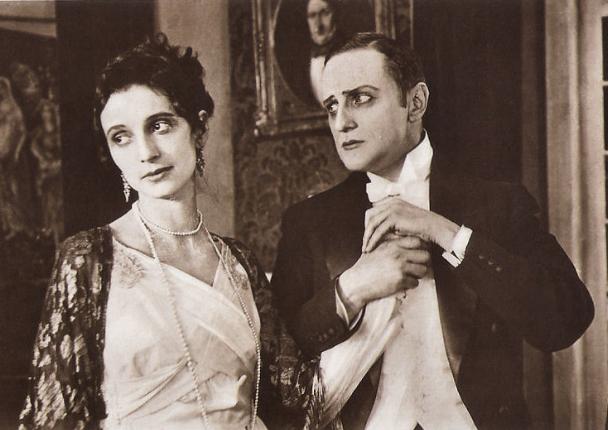
Cult cinema thrives on the misunderstood, the lonely, and the transgressive. In the 1917 film Rafaela, we find a protagonist who embodies the quintessential cult icon: a woman admired by many but understood by none, descending into a spiral of existential angst. This raw, emotional vulnerability is a precursor to the 'loner' archetypes we see in later cult classics. Similarly, The Death Dance (1918) explores the dark underbelly of marital devotion and cabaret culture, where Arnold Maitland’s devastation leads him into the arms of a dancer, Flora Farnsworth. These films didn't just tell stories; they explored the friction between societal expectations and primal desires.
The Moral Outcast and the Niche Devotion
The concept of 'niche worship' often centers on films that challenge contemporary morality. Consider The Broadway Madonna (1922), a crime drama that blends the sacred and the profane through the figure of Vivian Collins, a cabaret dancer caught in a web of blackmail and masked balls. This intersection of high-society pretense and low-brow survival is mirrored in The Probation Wife (1919), where a mother’s story of being raised in an 'infamous dive' and taught to steal provides a narrative of redemption that resonated with the disenfranchised. These films provided a sanctuary for stories that the mainstream often preferred to ignore, establishing a Celluloid Sanctuary for the moral mutant.
Genre Anarchy and the Birth of Narrative Mutants
One of the hallmarks of a cult film is its refusal to stay within the lines of a single genre. D.W. Griffith’s One Exciting Night (1922) is a masterclass in this kind of genre-bending anarchy, successfully fusing mystery, comedy, and horror into a single, kinetic experience. It paved the way for the 'kitchen sink' approach to filmmaking that would later define the works of John Waters or Sam Raimi. Meanwhile, Terror Island (1920), starring the legendary Harry Houdini, took audiences to the South Seas for a cocktail of buried treasure, cannibals, and high-stakes invention. It wasn't just an adventure; it was a spectacle of the impossible, much like the 'Chinese Musketeer' archetypes found in The Chinese Musketeer (1922).
The Aesthetics of the Bizarre
Cult cinema is often defined by its 'weirdness'—a visual or rhythmic quality that feels slightly out of step with reality. Energetic Eva (1916) and the slapstick surrealism of High and Dizzy (1920), featuring a tipsy doctor on a building ledge, represent a primal form of cinematic kineticism. These films utilized the physical limitations and possibilities of the camera to create a sense of vertigo and playfulness. The short Tacks and Taxes (1918) and the curiously titled Ball Bearing, But Hard Running (1918) suggest a fascination with the mechanical and the mundane, transforming everyday frustrations into comedic rituals that would eventually evolve into the 'camp' aesthetic.
The Social Misfit as the Heroic Outlier
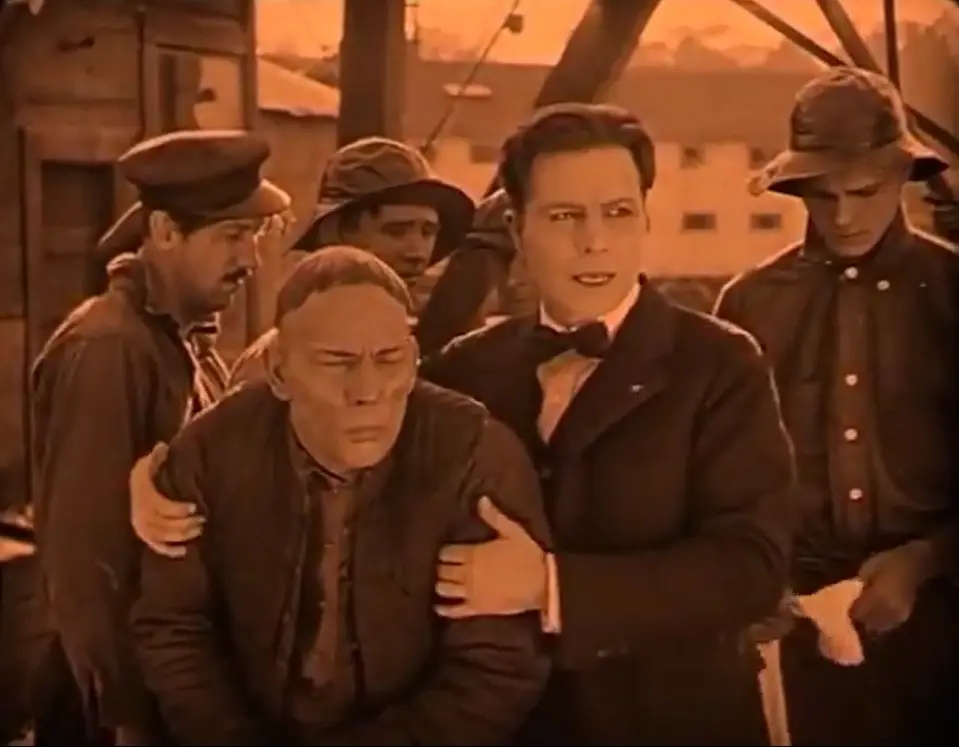
The cult hero is almost always an outsider, a person at odds with the machinery of civilization. Martin Eden (1914), based on Jack London’s novel, tracks the odyssey of an unlearned sailor fighting his way out of the 'inferno of the stokehole.' It is a story of radical self-invention that speaks to the heart of the maverick spirit. In Kindling (1915), the struggle of the tenement dweller Maggie Schultz, who steals to prevent her child from being born into a 'rat hole,' offers a gritty, empathetic look at poverty that predates the social realism of later cult movements.

Rebellion Against Civilization
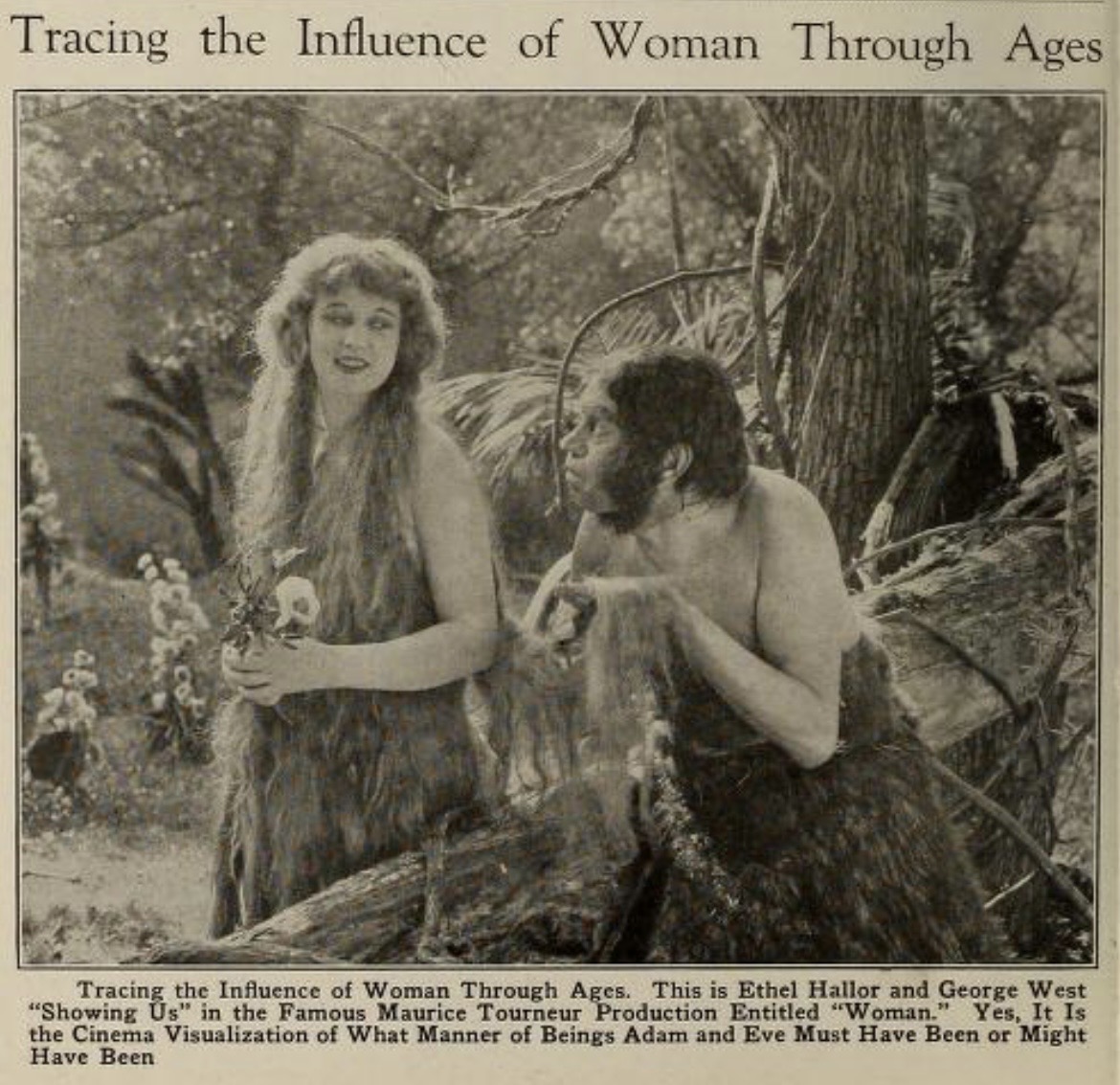
Few films capture the 'cult of nature' quite like The Return of Eve (1916), where an eccentric millionaire raises two orphans in the wilderness to prove that 'over-civilization' is destroying the human race. This narrative of primal return is a recurring theme in cult media, from the hippy-trailers of the 60s to the folk-horror of the 70s. Similarly, Markens grøde (1921), an adaptation of Knut Hamsun’s Nobel-winning novel, serves as a cinematic protest against industrialization, celebrating the farmer who carves a life out of barren soil. These films were the original manifestos for those looking to drop out and tune in to a different frequency.
International Anomalies and Global Cult Origins
The cult impulse was never restricted to Hollywood. In Mexico, Tepeyac (1917) blended diplomatic intrigue with spiritual devotion, while in Germany, Das schwarze Gesicht (1921) and Wenn Tote sprechen (1917) delved into the dark, operatic dramas of the cabaret and the supernatural. The French film Narayana (1920) and the Swedish Carolina Rediviva (1920) showcased the diversity of the early cinematic fringe, where local stories of students, orphans, and mystical quests began to find an international afterlife in the archives of the curious.
The Power of the Melodramatic Excess
Cult films often lean into 'excess'—excessive emotion, excessive scale, or excessive tragedy. Spartacus (1913) and Lady Hamilton (1921) provided the historical grandeur that fans would obsess over for decades. Whether it was the romantic tragedy of Trumpet Island (1920), where Richard flees to a remote island to forget his lost love, or the intense family drama of Hail the Woman (1921), featuring a Puritanical father’s rigid cruelty, these films utilized the 'big' emotions that anchor a fandom. They were the original 'tear-jerkers' and 'epics' that demanded repeat viewings to fully absorb their scale.
The Secret History of Subversion
In the early 20th century, even the most seemingly innocent films contained seeds of subversion. The American Way (1919) and The Man Without a Country (1917) explored national identity and pacifism during times of global conflict. Meanwhile, 23 1/2 Hours' Leave (1919) used the backdrop of training camps to tell a story of a brash sergeant making a bet to have breakfast with a general—a small, rebellious act against military hierarchy. These narratives of the 'little guy' versus the 'system' are the bread and butter of cult cinema.
The Female Maverick
The silent era was surprisingly rich with female-led cult narratives. Kitty Kelly, M.D. (1919) featured a woman doctor in a rough mining town, challenging gender roles long before it was fashionable. All Woman (1918) saw Susan Sweeney inheriting a run-down saloon and fighting to keep it, while Judy of Rogues' Harbor (1920) depicted an orphaned waif protecting a child from a cruel grandfather. These women were not just damsels; they were survivors, and their stories provided a blueprint for the 'final girl' and the 'rebel queen' archetypes of the future.
The Eternal Afterlife: Why These Outliers Still Matter
Why do we still look back at films like The Sleep Walker (1922) or Luring Lips (1921)? Because they represent the raw, unpolished beginnings of our collective obsession with the 'other.' Whether it's the bizarre comedy of Mrs. Black Is Back (1914) or the romantic struggle of Merely Mary Ann (1920), these films remind us that the human desire for stories that are 'different' is as old as the medium itself. Even the most obscure titles, like The Lad and the Lion (1917) or The Beautiful Gambler (1921), contain moments of visual poetry or narrative daring that still spark the imagination of the modern cinephile.
The Ritual of the Discovery
Being a fan of cult cinema is, at its heart, a ritual of discovery. It is about finding the Secret Strings (1918) that connect a forgotten silent drama to a modern-day masterpiece. It is about understanding that the 'energetic' spirit of Energetic Eva is the same spirit that drives every independent filmmaker today. As we continue to unearth these early genre rebels, we are not just looking at history; we are decoding the primal cipher of what makes a film 'cult'—that indefinable quality of being beautifully, stubbornly, and eternally out of place.
From the high-stakes gambling of The Traveling Salesman (1921) to the burlesque-fueled disillusionment of The Quickening Flame (1919), the first century of cinema was a playground for the misfit. By embracing the Nation's Dream (1917) and the Sacrifice (1917) of these early pioneers, we ensure that the maverick soul of cinema continues to burn bright, lighting the way for the next generation of outsiders, outlaws, and obsessive fans.
Community
Comments
Log in to comment.
Loading comments…