
Cult Cinema
The Rogue’s Revelation: Unmasking the Primal Anarchy and Subversive Rhythms of Cinema’s Earliest Genre Experiments
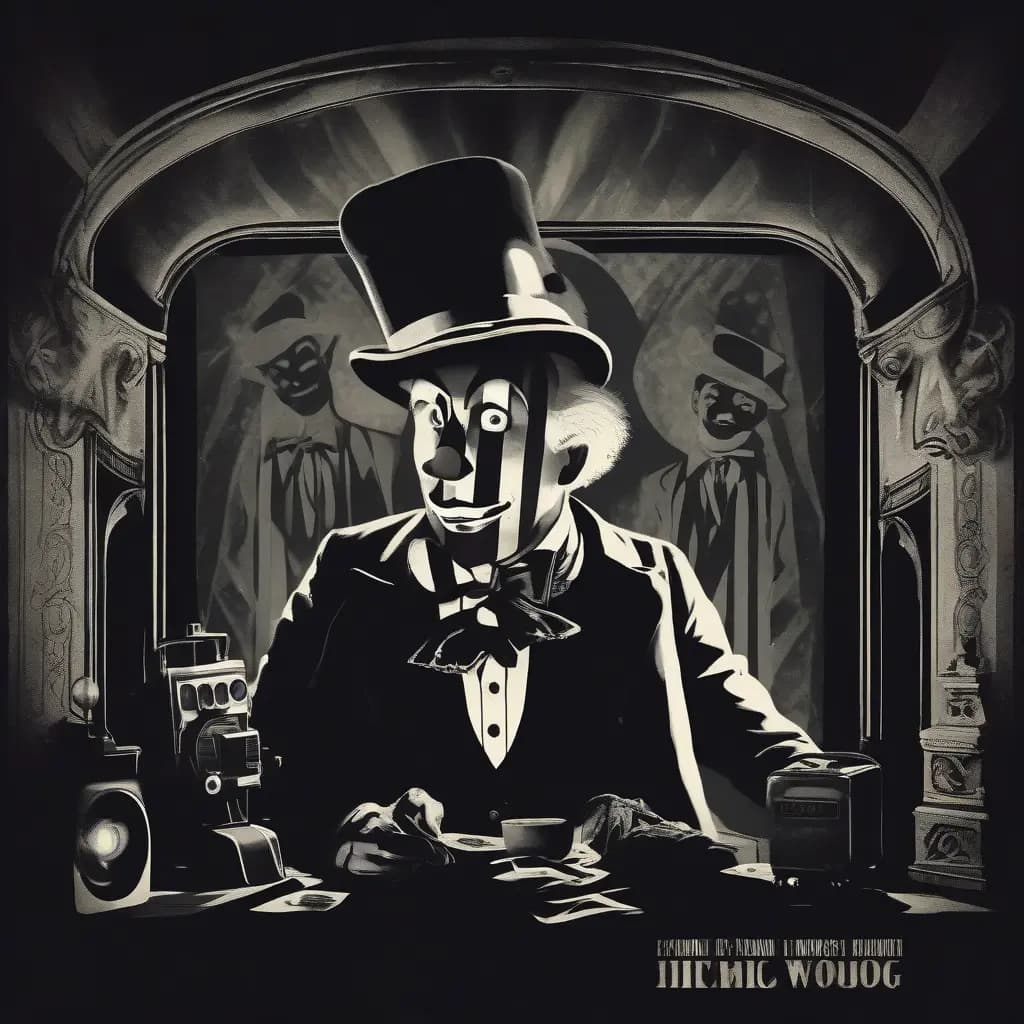
“A deep dive into the transgressive roots of cult cinema, exploring how the silent era's forgotten misfits and genre-bending experiments laid the foundation for modern midnight movie devotion.”
The history of cult cinema is often told through the neon-soaked lens of the 1970s midnight movie circuit, but the genetic blueprint of the transgressive, the weird, and the wonderfully obscure was drafted decades earlier. Long before The Rocky Horror Picture Show or Eraserhead, a silent legion of genre-bending outliers was already testing the limits of the celluloid medium. These were the films that refused to fit the mold—the rogues of the nickelodeon era—whose subversive rhythms and primal anarchy provided the fertile soil from which modern cult devotion would eventually grow.
The Animated Anarchy of the Early Fringe
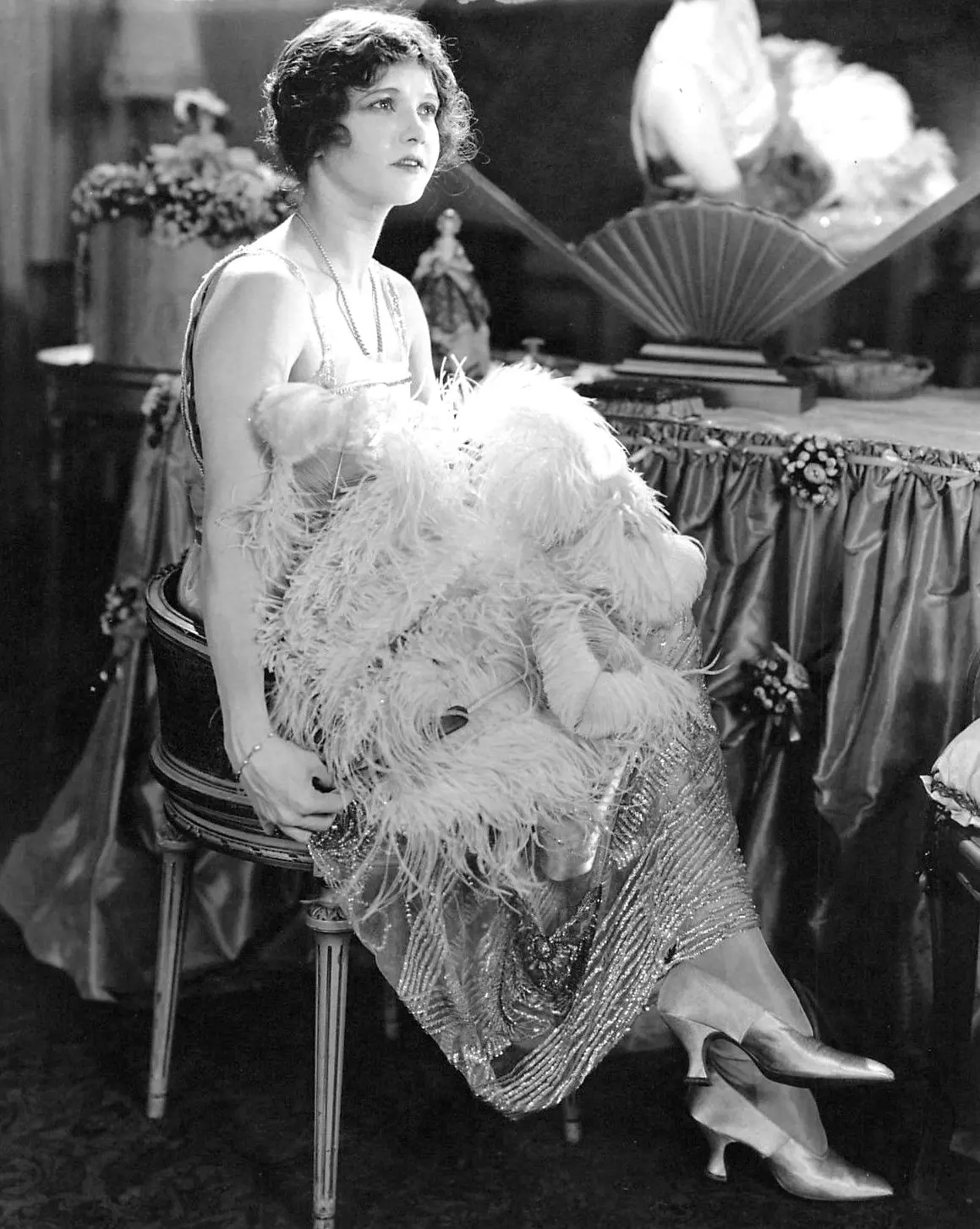
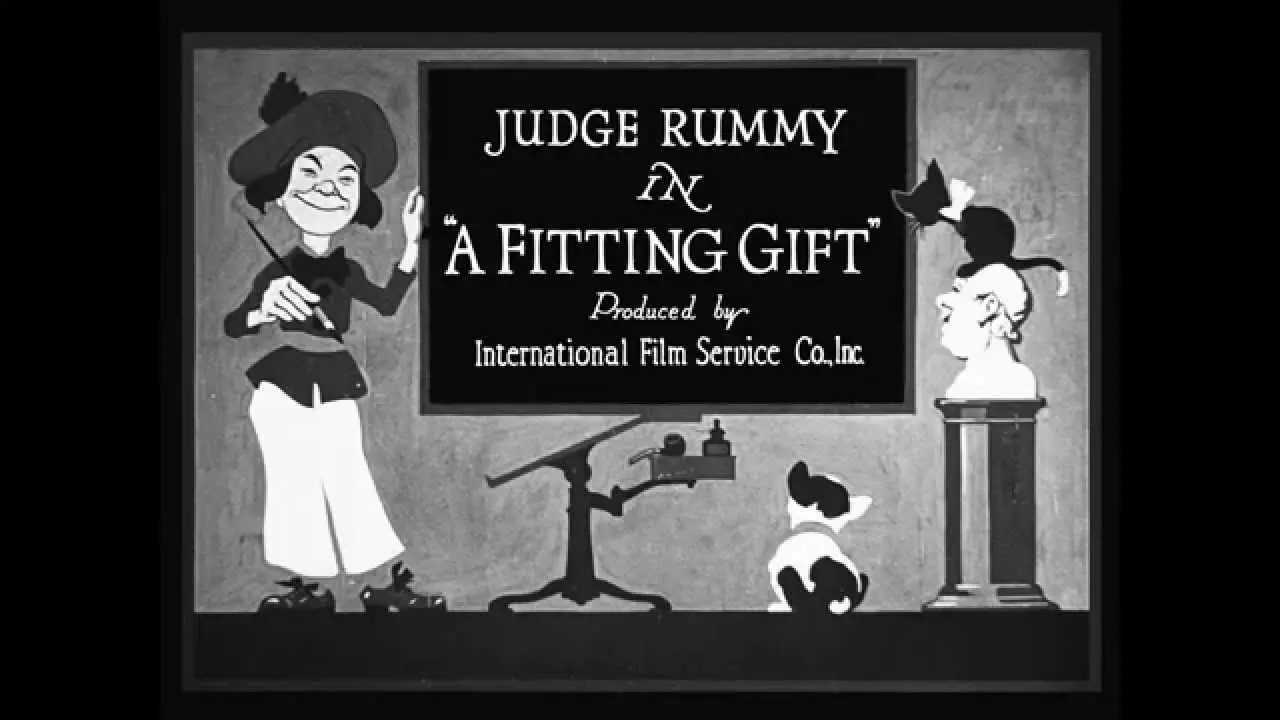
When we look at the roots of cinematic subversion, we must first look at the frame-by-frame rebellion of early animation. In films like Felix Goes A-Hunting, we see a husband thrown out of his home, forced into a surreal survivalist quest to obtain a fur coat. This isn't just a simple cartoon; it is a manifestation of domestic anxiety filtered through an absurdist lens. Similarly, A Fitting Gift takes the mundane task of buying a corset and transforms it into a comedic nightmare of social embarrassment and phone booth hiding. These shorts utilized the flexibility of the medium to explore psychological fringes that live-action drama was often too rigid to touch.
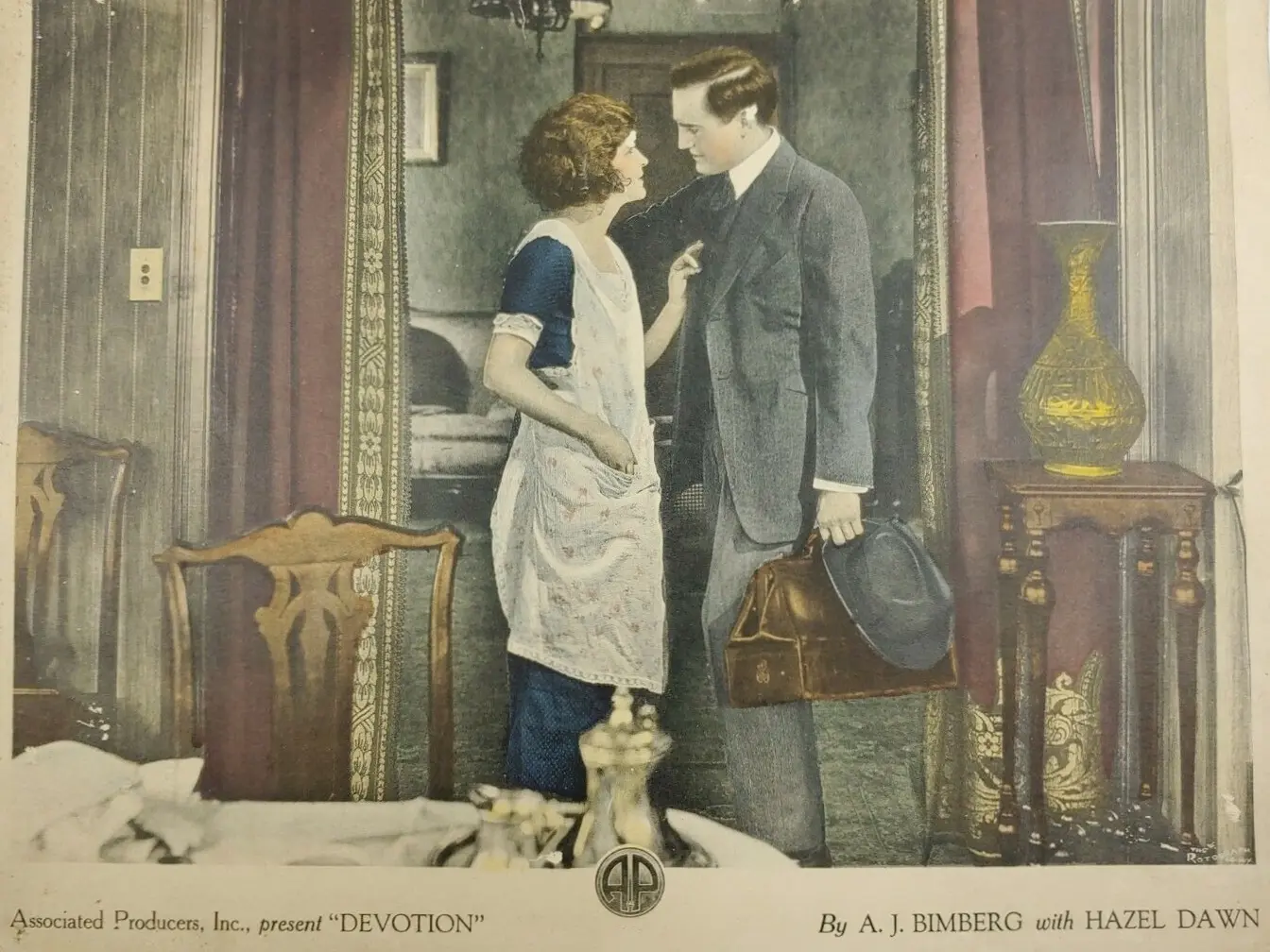
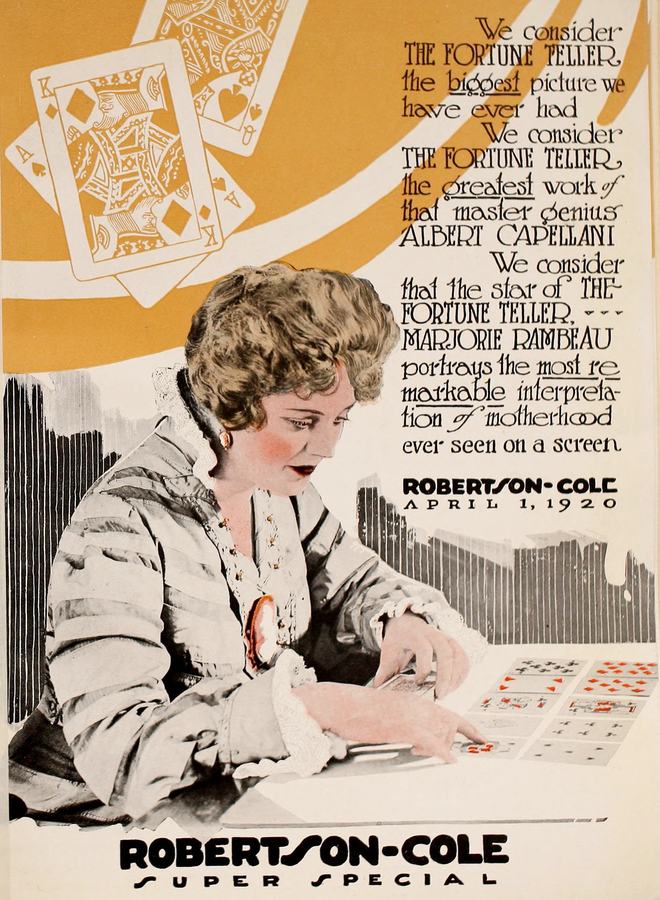
The meta-textual brilliance of The Fortune Teller (1923) further showcases this. By having Max attempt to scare a fortune teller while Ko-Ko the Clown is haunted by evil spirits, the film breaks the fourth wall and invites the audience into a chaotic, multi-layered reality. This brand of mischief—where the characters are aware of their own artifice—is a direct ancestor to the self-referential irony that defines much of contemporary cult fandom. It is in these flickering lines and ink-blot demons that the midnight mindset first found its voice.
Identity, Deception, and the Millionaire Misfits
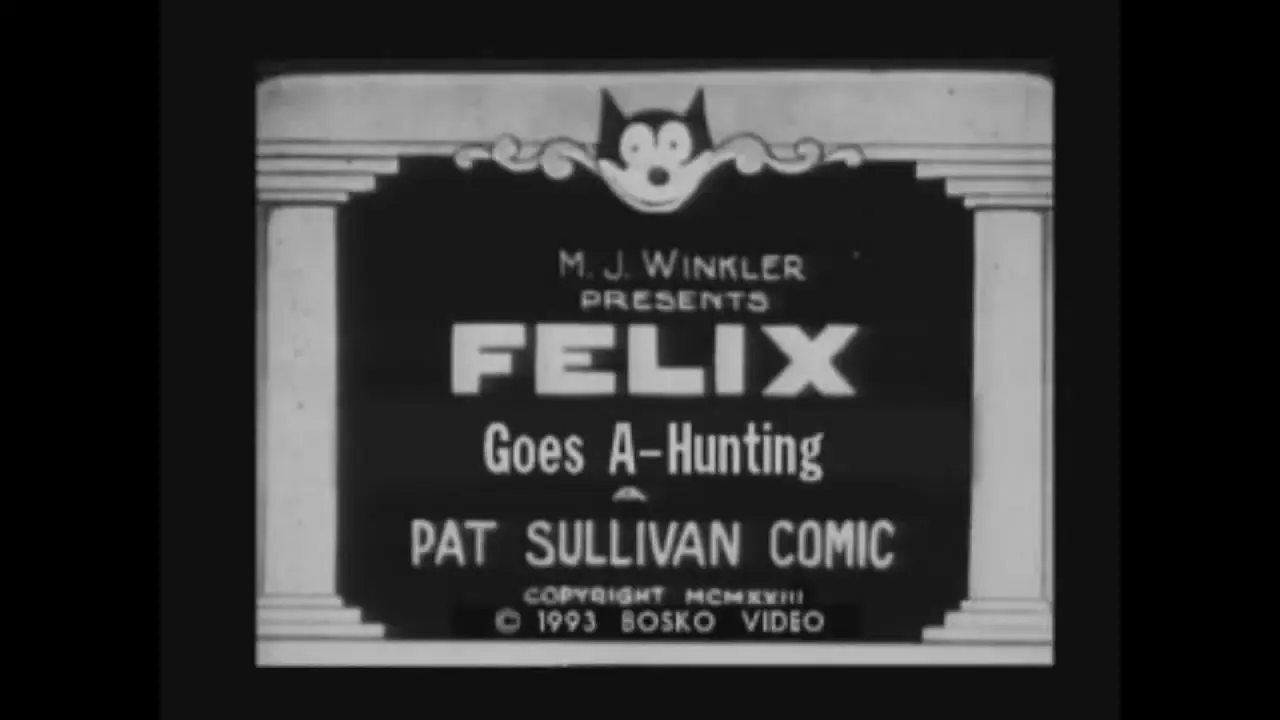
Cult cinema has always had an obsession with the fluidity of identity. The 1920 version of Officer 666 presents us with Travers Gladwyn, an idle millionaire who decides to guard his own home by bribing a policeman and assuming his identity. This narrative of the wealthy elite playing at being the working class—only to find themselves entangled in a web of art theft and genuine danger—speaks to a deep-seated fascination with the masks we wear. Whether in the 1916 or 1920 iterations, the story of Officer 666 highlights a recurring theme in cult narratives: the subversive joy of the impostor.
This theme of social displacement continues in Solomon in Society, where a humble East Side tailor dreams of Fifth Avenue glory. These stories of class-climbing and the inevitable friction it creates are not just dramas; they are blueprints for the 'outsider' protagonist who would become the patron saint of the cult film genre. From the scullery maid in Cinderella's Twin dreaming of her 'Prince Charming' to the penniless youth in False Fronts who must 'put on a wealthy front' to succeed, the early cinema of deception laid the groundwork for our modern obsession with the 'fake it until you make it' anti-hero.
The Pulp Shadows: Fu-Manchu and the Devil Doctors
No discussion of the cult aesthetic is complete without the inclusion of the pulp serial. The Shrine of the Seven Lamps, the final episode of an early Fu-Manchu saga, represents the peak of early 20th-century 'Yellow Peril' paranoia and exoticized villainy. While modern audiences view these tropes through a critical historical lens, the sheer narrative audacity and the 'Devil Doctor's' arcane rituals established a visual language of occult mystery that still permeates the genre. The marmoset leading the doctor to a secret Si-Fan ceremony is the kind of bizarre, specific detail that cultists thrive on—a fragment of a larger, weirder world that exists just outside the frame.
Morality on the Edge: The Outcasts and the Fallen
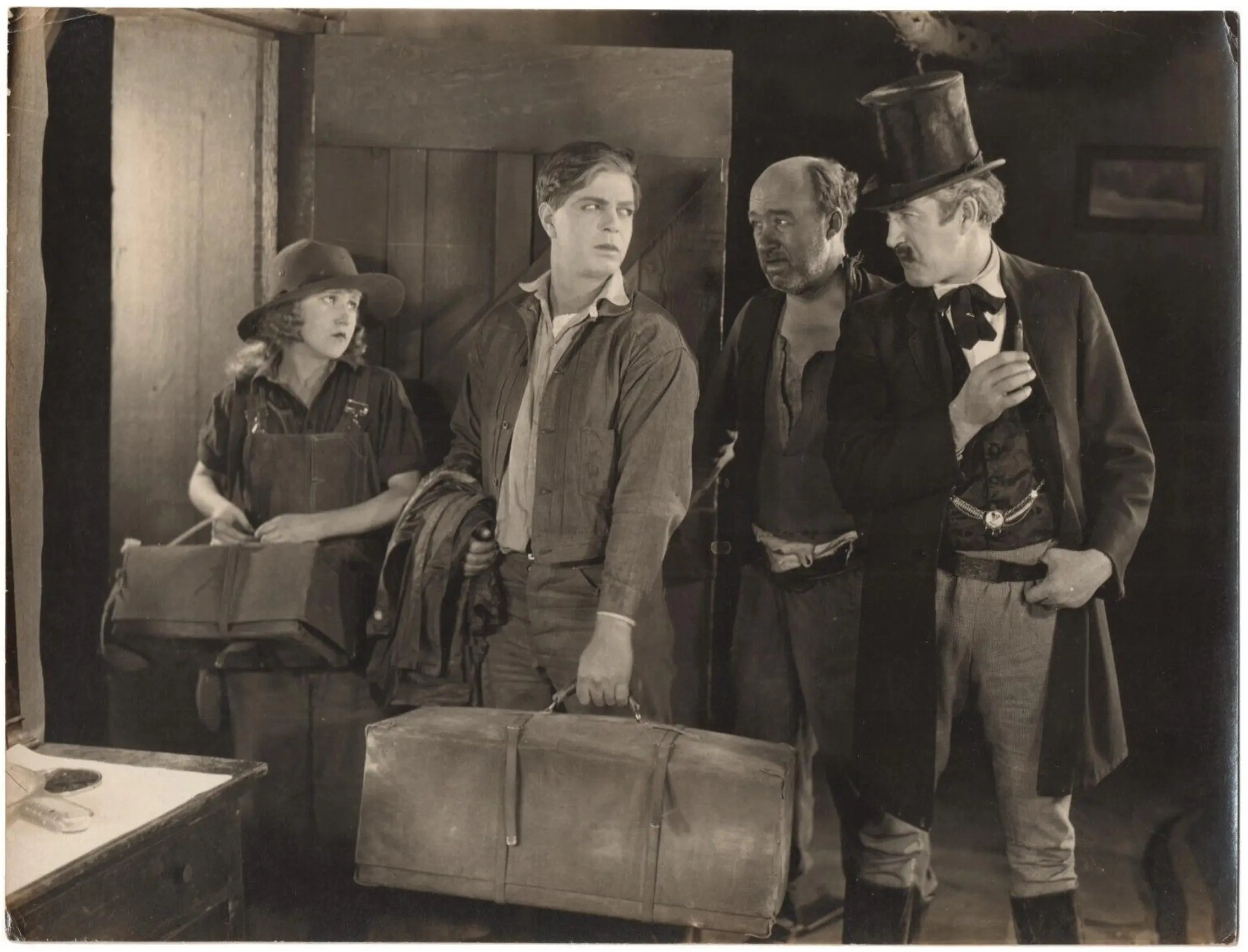
The moral ambiguity of the cult hero was forged in films like The Outcasts of Poker Flat. Here, a gambling hall owner must navigate the treacherous waters of love and sacrifice, ultimately deciding the fate of a young girl entrusted to his care. This is not the clean-cut morality of a standard Hollywood production; it is a story of the fringe, where gamblers and outcasts are the ones who hold the ethical compass. This elevation of the social pariah to a position of moral complexity is a cornerstone of the cult ethos.
Similarly, The Primrose Path offers a harrowing look at the fall from grace. When Joan, a country girl, elopes to Paris only to be met with poverty and illness, the film rejects the easy happy ending in favor of a starker, more resonant truth. This 'path to ruin' was a popular trope, but in the hands of the early genre rebels, it became a way to explore the darker corners of the human experience. Whether it is the 'cheated love' of Cheated Love, where an immigrant girl navigates the ghetto grocery store life, or the 'hunted woman' in The Hunted Woman fleeing a forced marriage, these films gave voice to the marginalized and the desperate.
The Animal Vanguard and the Heroic Dog
Cult cinema often finds its most loyal followers in the most unexpected places—sometimes even in the animal kingdom. Snooky's Labor Lost features Snooky the chimpanzee as a farmhand-turned-city-adventurer. The sheer absurdity of an animal performing human tasks is a precursor to the 'nature run amok' or 'animal as protagonist' subgenres that would later dominate the B-movie landscape. Likewise, Brawn of the North showcases the heroic dog Brawn saving his owner in the harsh Alaskan wilderness. These films tapped into a primal connection between the audience and the non-human, creating a sense of wonder and unconventional spectacle that remains a hallmark of niche cinema.
The Technical Revolution: Kino-Pravda and Beyond
While many cult films are celebrated for their narratives, others are worshiped for their technical audacity. Dziga Vertov’s Kino-pravda no. 4 is a landmark of documentary filmmaking that sought to capture 'cinema truth.' By documenting Russian life in the early 1920s with a radical new visual language, Vertov and his team (Svilova and Kaufman) broke away from the theatricality of the era. This spirit of visual mutiny—the desire to see the world as it actually is, or as it could be through the lens of a camera—is exactly what drives the avant-garde wing of cult cinema today.
On the other end of the spectrum, we have the hypnotic melodrama of Trilby (1923). The story of a magician with hypnotic power who captures an art model and turns her into a concert singer is the ultimate expression of the transgressive gaze. The idea of a character being controlled and transformed through the sheer will of another is a recurring motif in horror and cult thrillers. The visual of the 'hypnotic power' on screen was a technical challenge that required a creative approach to lighting and camera work, further cementing the film's status as a pioneer of the weird.
Conclusion: The Eternal Flicker of the Fringe
From the bootlegging chaos of The Fire Chief to the historical intrigue of The Virgin Queen, the early era of cinema was far from a monolith. It was a bubbling cauldron of genre experiments, moral provocations, and technical innovations. These 50 films—many of them lost to time or relegated to the dusty archives of film history—are the true ancestors of the midnight movie. They represent a time when the rules of cinema were still being written, and the rogues were the ones holding the pen.
As we continue to celebrate the strange and the subversive in modern film, we must remember the primal anarchy of these early creators. They understood that cinema is at its most powerful when it is at its most daring. Whether it is the 'stubbornness' of a wealthy New Yorker in The Stubbornness of Geraldine or the 'battle of hearts' in a fishing village in The Battle of Hearts, the spirit of rebellion is eternal. The cult movie soul was not born in a vacuum; it was forged in the flickering shadows of the silent era, waiting for a new generation of outcasts to rediscover its subversive rhythms.
In the end, the legacy of these early misfits is not just in the stories they told, but in the devotion they inspired. They taught us to look beyond the marquee, to find the beauty in the obscure, and to cherish the films that refuse to be forgotten. The Rogue’s Revelation is simple: the fringe is not just a place on the edge of the map—it is the heart of the cinematic experience.
Community
Comments
Log in to comment.
Loading comments…