
Cult Cinema
The Shadow Screen: Decoding the Primal Allure and Forgotten Rebellion of Cinema’s Earliest Cult Icons

“An in-depth exploration of how the silent era’s genre-defying narratives and social outcasts laid the foundation for modern cult cinema obsession.”
The history of cinema is often written by the victors—the blockbusters, the Oscar winners, and the household names that define eras. However, beneath the surface of the mainstream marquee lies a more volatile, fascinating history: the lineage of the cult film. While many associate cult cinema with the midnight movies of the 1970s, the true DNA of cinematic rebellion was forged much earlier. Long before the 1920s roared into high gear, the seeds of the unconventional were planted in the nitrate soil of the silent era. These were films that dared to be different, films that explored the fringes of human behavior, and films that, through their very obscurity, became the holy grails of the obsessive cinephile. To understand the modern cult obsession, we must look back at the Shadow Screen—a place where the mechanical man walked, where the social highwayman lurked, and where the 'daughter of darkness' first emerged.
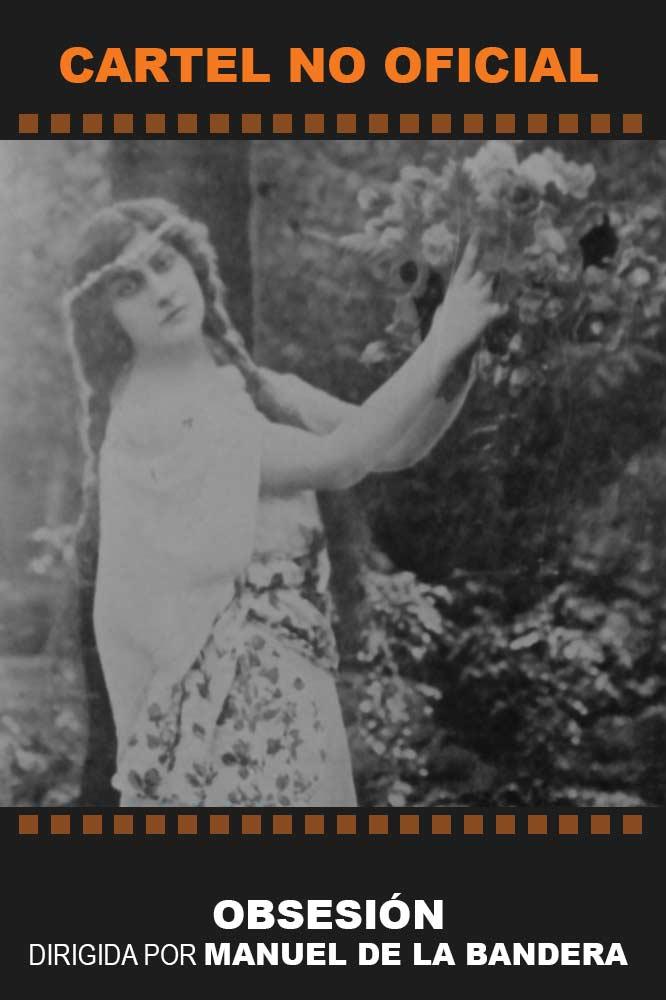
The Mechanical Genesis: Early Sci-Fi and the Cult of the Machine
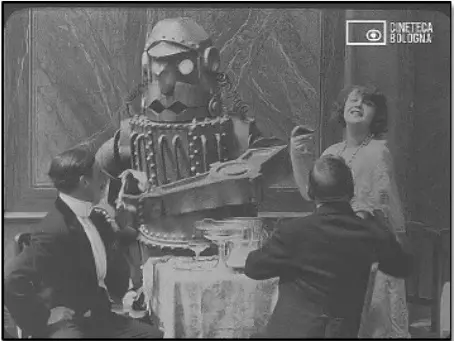
One of the most striking examples of early cult-adjacent cinema is the 1921 work The Mechanical Man. Long before the polished droids of modern sci-fi, this film introduced a remote-controlled device shaped like a man—a primitive yet terrifying vision of the industrial future. It blended comedy, sci-fi, and horror in a way that modern genre-benders like 'Evil Dead' or 'Repo Man' would eventually perfect. The mechanical man was not just a prop; it was a symbol of the era’s anxieties about technology, much like how 'Blade Runner' would later captivate audiences with its questions on humanity. The film’s status as a 'lost' masterpiece, with only fragments surviving, has only added to its cult mystique. It represents the 'sacred oddity' that draws fans into the archives, searching for the missing pieces of a mechanical soul.
Similarly, the fascination with flight and technology manifested in films like The Aero Nut. While often played for laughs, these early explorations of the 'new' world provided a canvas for the unconventional. Cult cinema thrives on the 'new,' the 'weird,' and the 'untested.' When we look at The Wig-Wag System, where Bettie signals her sweetheart Jimmie against the wishes of her mother, we see the early blueprints of the rebel romance—a trope that would define cult classics from 'Harold and Maude' to 'True Romance.' These films weren't just entertainment; they were experiments in visual language and social defiance.
The Outcast’s Anthem: Social Deviance and Moral Ambiguity
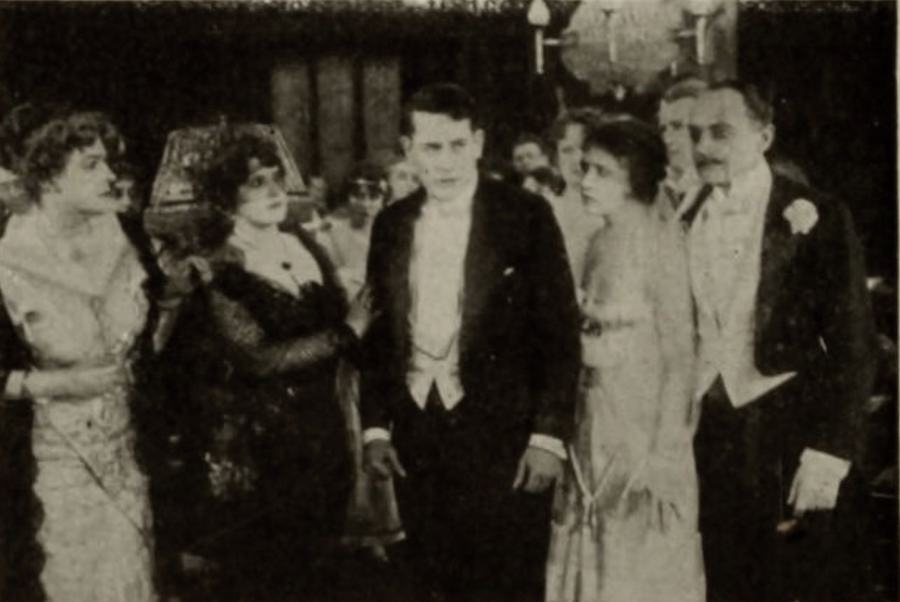
At the heart of every cult film is a character who doesn't fit in. The silent era was rife with these misfit narratives. Take The Social Highwayman, where the protagonist Curtis Jaffray deals with inherited 'genetic tendencies' for robbery. This early exploration of nature versus nurture provided a dark, psychological edge that mainstream cinema often avoided. It challenged the audience to empathize with a criminal, a hallmark of the transgressive cinema that would follow decades later. This moral ambiguity is further explored in The Hidden Scar, where Janet Hall must navigate a romance while hiding the 'shame' of an illegitimate child. These films were the 'indies' of their day, tackling subjects that the polite society of the early 20th century preferred to keep under wraps.
The suffering of the 'fallen woman' was a recurring theme that resonated with the disenfranchised. In The Torture of Silence, we see the agonizing portrayal of an unfaithful wife and her subsequent suffering. While today we might view these through a lens of melodrama, at the time, they were radical explorations of female agency and social consequence. These narratives of suffering and resilience are echoed in Nelly Raintseva, where a young woman’s life is shaped by the neglect of a wealthy father and a socialite mother. The cult of the 'tragic heroine' began here, in the flickering shadows of nitrate film, where the pain was real and the endings weren't always happy.

The Subversive Power of the Silent Parody
Cult cinema also has a long-standing tradition of meta-commentary and parody. Long before 'The Rocky Horror Picture Show' sent up the tropes of B-movies, the silent era was already mocking its own conventions. No Darn Yeast, a burlesque of the popular 'Way Down East,' showed that audiences were savvy enough to appreciate a satirical take on the hits of the day. This self-awareness is a key ingredient in the cult movie experience—the feeling that you are 'in on the joke.' When we see His Temporary Wife or The Married Flapper, we are witnessing the birth of the screwball comedy, but with a sharper, more cynical edge that appeals to those who find traditional romances too saccharine.
International Shadows: The Global Roots of the Weird
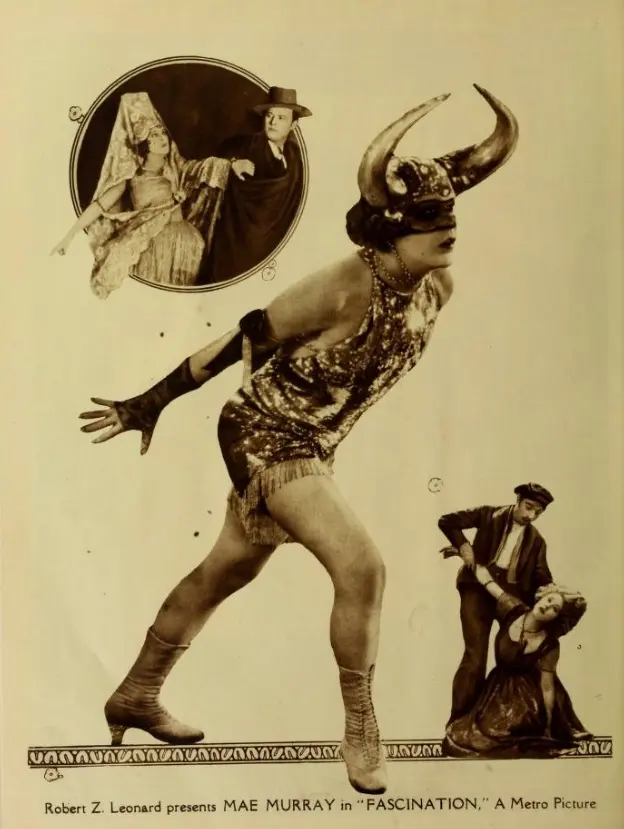
The cult phenomenon is not limited to Hollywood. The silent era was a truly global conversation. Zatansteins Bande brought a hypnotic, scary guest into the 'Flashlight' bar, introducing an 'apache girl' and a bold crime plot that felt dangerous and exotic. This international flair for the macabre is what later defined the 'giallo' films of Italy or the 'J-horror' wave. We see this curiosity about the 'other' in A Tokio Siren, where a doctor in Japan attempts to save a woman from a loveless marriage. Though these films often carried the biases of their time, like the serial The Yellow Menace with its fanatical Mongolian scientist Ali Singh, they also opened a window into a world of mysticism and fantasy that mainstream Western audiences craved.
Films like Mysteries of India, Part I: Truth, which featured a princess escaping a cruel prince, added a layer of fantasy and adventure that would later influence the cult obsession with 'world-building.' These weren't just stories; they were entire atmospheres. The same can be said for Alkohol, a German drama that explored the devastating effects of addiction during a masquerade party. The use of masks, the high-stakes social setting, and the tragic fallout created a visual and emotional intensity that is the hallmark of expressionistic cult cinema.
The Frontier of the Forbidden: Westerns and Outlaws
The Western genre, often seen as the backbone of American cinema, also had its share of cult outliers. The Fighting Shepherdess featured a young woman fighting to protect her Wyoming sheep ranch from cattle ranchers—a narrative of female strength and defiance that predates the modern 'final girl' trope by decades. It wasn't just about gunfights; it was about the will to survive against an oppressive system. This rebel spirit is also found in The Last Trail, where a lone bandit known as 'The Night Hawk' terrorizes a town. The mystery of the stranger, the mistaken identity, and the action-packed sequences provided the visceral thrills that cult audiences still crave today.
In Trimmed, we see a returning soldier manipulated by a political boss, a story of corruption and redemption that feels surprisingly modern. These films, including The Clients of Aaron Green, where disputes are settled 'at the end of a rope,' explored the lawlessness of the human spirit. They didn't offer the clean-cut morality of later Hollywood Westerns; they offered a gritty, often cynical look at the 'wild' west that felt more authentic to the outcasts of society.
The Sacred and the Profane: Cults Within Cults
Perhaps the most literal precursor to cult cinema is the portrayal of actual cults or remote retreats. Even as Eve tells the story of an embittered man living in a remote Adirondack retreat with his daughter, part of a literal cult. This exploration of isolation, secret societies, and extreme beliefs is a recurring theme in cult cinema, from 'The Wicker Man' to 'Midsommar.' The idea of a 'secret world' tucked away from the prying eyes of the public is central to the cult movie psyche. We see this reflected in The Answer, where a social worker and a socialist radical establish a refuge for 'life's unfortunates' in San Francisco. It’s a vision of a counter-culture, a place for those who have been chewed up and spat out by the mainstream machine.
The obsession with the 'lost' and the 'forgotten' is further exemplified by films like Posledniy patron, which served as an illustration for a Red Army poster, or Allies' Official War Review, No. 3. These archival fragments are the 'deep lore' of cinema. For the cult enthusiast, discovering a film like Der neueste Stern vom Variété or Vengerkák is like finding a piece of a puzzle that explains the evolution of visual storytelling. They are the artifacts of a bygone era that still speak to us in a secret language of light and shadow.
Conclusion: The Eternal Flicker of the Fringe
Cult cinema is more than just a collection of weird movies; it is a testament to the human desire for the unconventional. From the mechanical man’s metallic clatter to the silent screams of the 'daughter of darkness,' the early 20th century provided a blueprint for everything we love about niche fandom today. These films challenged social norms, experimented with genre, and gave a voice to the outcasts, the rebels, and the dreamers. Whether it’s the comedic subversion of Ambrose and the Bathing Girls or the dramatic weight of The Heritage, the silent era was a time of immense creative freedom before the 'rules' of cinema were set in stone.
As we continue to dig through the digital and physical archives, we find that the 'shadow screen' is as vibrant today as it was a hundred years ago. Films like The Scarlet Pimpernel, with its secret identities and heroics, or Rose of the Alley, with its story of reform and protection, remind us that the heart of cinema has always been about the struggle for identity and the power of the individual. The cult movie soul is an undying flame, fueled by the nitrate reels of the past and the obsessive devotion of the present. We don't just watch these films; we worship them, for they are the mirrors of our own inner rebels, flickering forever in the dark.
Community
Comments
Log in to comment.
Loading comments…