
Cult Cinema
The Unholy Grail: Unearthing the Enduring Power of Cinema's Most Obsessive Devotions
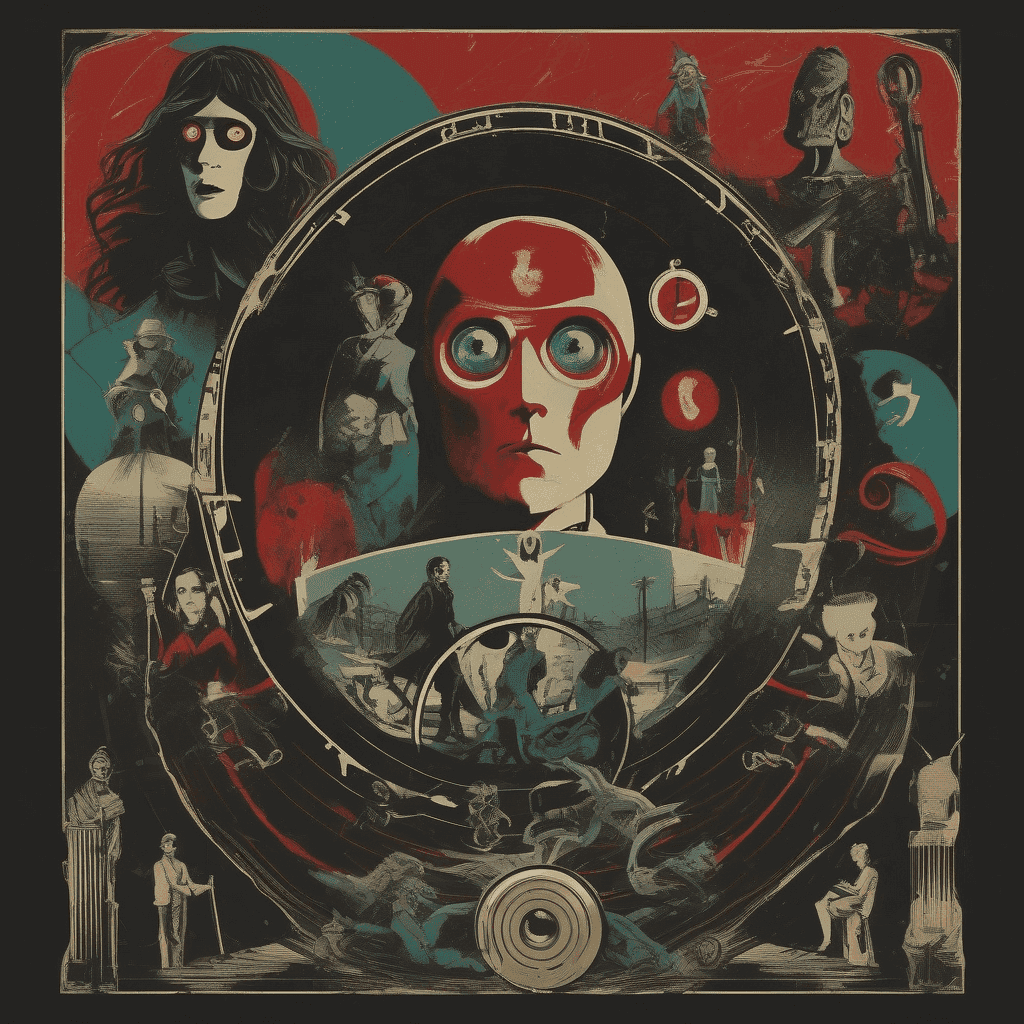
“Dive deep into the enigmatic world of cult cinema, exploring how films that defy convention and challenge the mainstream forge unbreakable bonds with their devoted audiences, transforming obscurity into enduring iconography.”
In the vast, ever-expanding tapestry of cinematic history, certain films stand apart, not for their box office dominance or critical acclaim upon release, but for an inexplicable, enduring magnetism that draws audiences into a fervent, almost religious devotion. This is the realm of cult cinema – a vibrant, often transgressive, and perpetually fascinating corner of the film world where the conventional rules of success simply do not apply. These are the movies that start as whispers, grow into shouts, and ultimately become communal rituals, defying time and trends to carve out an indelible space in the hearts and minds of their followers.
The Genesis of the Obsession: Beyond Mainstream Expectations
What defines a cult film? It’s rarely a simple metric. It’s not necessarily a genre, though horror, science fiction, and transgressive dramas often dominate the landscape. It’s more an attitude, a spirit of defiance, and a unique relationship with its audience. Many cult films are initially misunderstood, dismissed, or even reviled by mainstream critics and audiences. Yet, it is precisely this initial rejection that often fuels their eventual ascent into legendary status. These films, like cinematic outliers, often possess an intrinsic quality that resonates with a specific, passionate niche, slowly but surely accumulating a following that champions their idiosyncratic vision.

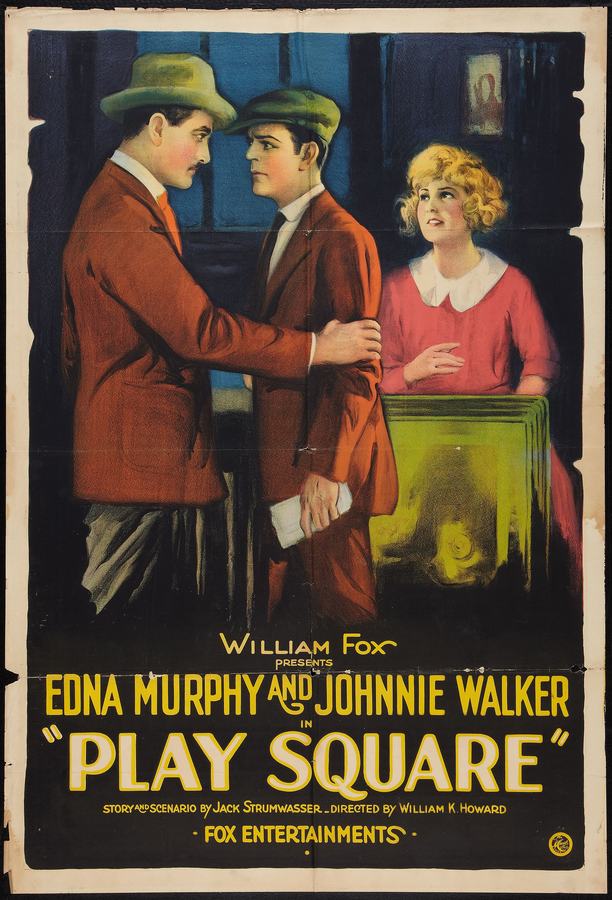
Consider the myriad early cinematic attempts to capture human experience, societal anxieties, or pure escapism. Films like the crime-drama Play Square, with its narrative of redemption and moral ambiguity, or the dramatic twists of The Impostor, hint at the nascent desire for stories that challenged straightforward morality. Even seemingly innocuous comedies like A Tailor-Made Man or His Nibs, with their distinct characterizations and unconventional humor, demonstrated that audiences were receptive to narratives that strayed from the perfectly polished or overtly serious. This early experimentation, often driven by independent producers or visionary directors, laid the groundwork for the more pronounced genre defiance and narrative anarchy that would come to define cult cinema.
The Maverick Visionaries: Crafting Unconventional Realities
At the heart of every enduring cult classic lies a distinctive, often uncompromising artistic vision. These are films that refuse to conform, whether through their narrative structure, visual style, thematic content, or a potent combination of all three. Directors who dare to challenge cinematic norms often find their work initially relegated to the fringe, only for it to be discovered and celebrated by future generations who appreciate their bold originality.

The history of cinema is replete with examples of such visionaries. From the early silent era, we see hints of this in films that, by their very nature, pushed boundaries. A historical drama like Theodora, depicting a courtesan rising to empress, or the stark, survivalist narrative of South, a documentary of an Antarctic expedition, presented audiences with experiences far removed from the everyday. These weren't just stories; they were immersions into other worlds, challenging perceptions of heroism, morality, and human endurance. Even a social commentary like Prohibition, aiming to drive home a moral message, did so with a specific, perhaps heavy-handed, vision that could alienate some while resonating deeply with others.
The unconventional storytelling of these early films, whether through experimental techniques or audacious thematic choices, created a lineage of cinematic rebellion. Films like A Naked Soul, exploring complex emotional landscapes, or the Danish Vor tids helte (Heroes of Our Time), which wove a narrative around a rebellion, demonstrated that cinema could be a powerful tool for exploring societal unrest, personal turmoil, and profound philosophical questions, often in ways that bypassed mainstream sensibilities. This fearless pursuit of unique narratives is a hallmark of cult cinema, where the journey itself is often as compelling as the destination.

Embracing the Transgressive and Taboo
Many cult films gain their notoriety by daring to tread where mainstream cinema fears to go. They explore themes, portray violence, or depict sexuality in ways that are often shocking, provocative, or simply too uncomfortable for general audiences. This transgressive spirit is a powerful draw for those who feel alienated by sanitized narratives and seek out films that reflect the darker, more complex, or more taboo aspects of the human condition.
Even in early cinema, hints of this boundary-pushing existed. The real-life scandal depicted in The Caillaux Case or the moral dilemmas in As a Man Sows, explored themes of crime, betrayal, and social transgression. While perhaps not as overtly shocking as later cult classics, these films chipped away at the prevailing moral frameworks of their time, offering glimpses into a world less tidy and more morally ambiguous. The very notion of a film titled The Panther Woman suggests a primal, untamed femininity that could have been seen as scandalous or unconventional, challenging prevailing gender norms even subtly.
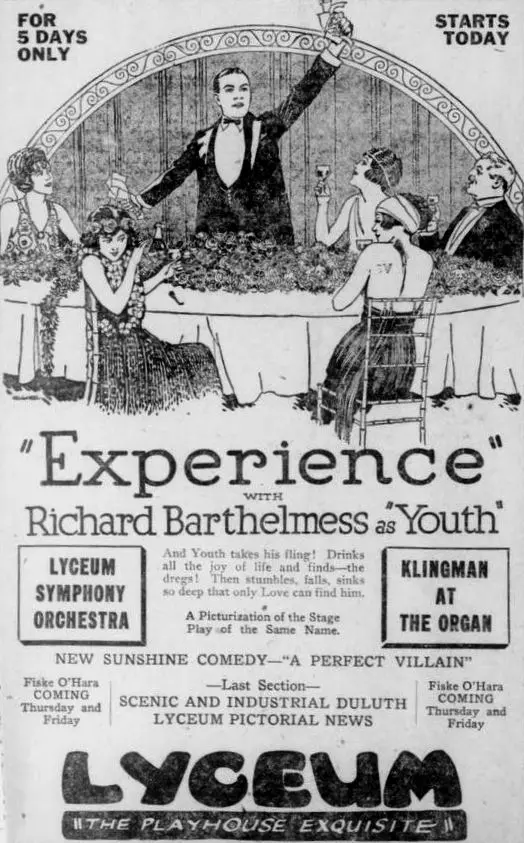
This willingness to confront uncomfortable truths or revel in the grotesque, the absurd, or the deeply unsettling is what gives many cult films their lasting power. They provide a safe space for audiences to explore forbidden thoughts, to laugh at the inappropriate, or to empathize with the monstrous, forging a unique bond built on shared understanding of the subversive appeal.
The Unseen Communities: How Audiences Forge Cult Status
Perhaps the most crucial ingredient in the cult film recipe is the audience itself. Unlike blockbusters that are designed for mass appeal, cult films thrive on niche devotion. They are discovered, championed, and re-interpreted by dedicated fans who transform them from mere movies into cultural phenomena. This process often takes time, evolving through word-of-mouth, midnight screenings, and shared experiences that solidify a film's place in the cinematic counter-culture.
The journey of a film from obscurity to cult icon is often an organic one, fueled by an almost tribal sense of belonging. Fans don't just watch these films; they participate in them. They quote lines, dress up as characters, attend annual screenings, and endlessly dissect every frame, finding new meanings and connections with each viewing. This communal aspect is what elevates a peculiar film into a beloved, enduring ritual.
Even in the early days of cinema, films like Melting Millions or Phantom Fortunes, which might have had specific appeals, laid the groundwork for audiences seeking out particular types of narratives or characters. The escapism offered by a Western like Cactus Crandall or Get Your Man (both 1919 and 1921 versions) created specific fanbases for certain stars or genre tropes. These early forms of genre loyalty and character affinity are precursors to the deep, immersive fandoms that define cult cinema today.
The Power of Re-Discovery and Re-Interpretation
A significant factor in the longevity of cult films is their capacity for re-discovery and re-interpretation across generations. What might have been seen as strange or nonsensical upon initial release can, years later, be hailed as prophetic, revolutionary, or deeply insightful. Social and cultural shifts often allow new audiences to connect with a film in ways its original creators might never have envisioned.
Think of films that might have been considered mere entertainment, like The Lure of the Circus or Double Adventure, which, through a modern lens, could reveal layers of social commentary or psychological depth previously overlooked. The dramatic tension of When a Man Loves or the intriguing premise of The Eternal Question, concerning the nature of womanhood, could be re-examined through contemporary critical frameworks, transforming their initial reception into something far richer and more profound. This enduring allure lies in their ability to adapt and resonate with changing societal dialogues.

The Enduring Legacy: Shaping Cinematic Landscape
Beyond their dedicated fanbases, cult films often exert a profound, if sometimes unacknowledged, influence on the broader cinematic landscape. Their experimental techniques, taboo themes, or unconventional narrative structures often inspire subsequent generations of filmmakers, pushing the boundaries of what is considered acceptable or possible in cinema. They become the unseen architects of future trends, their quiet rebellion echoing through the halls of film history.
Films that dared to be different, even in the nascent days of cinema, contributed to this evolution. The comedic antics of Adam and Eve or Matri-Money, or the exotic settings of Zigeunerprinsessen (The Gypsy Princess) or Priklyuchenie Liny v Sochi (Lina's Adventure in Sochi), expanded the vocabulary of film, demonstrating diverse storytelling possibilities. Even a seemingly straightforward drama like Felix O'Day, driven by revenge, or Bogdan Stimoff, with its tale of wrongful accusation, explored complex human emotions and societal pressures that would later become staples of more overtly transgressive cinema.

The influence of these overlooked masterpieces is often subtle but pervasive. They challenge the mainstream to be bolder, more innovative, and more inclusive of diverse voices and perspectives. They remind us that true artistic merit isn't always immediately recognized and that sometimes, the most profound impact comes from the fringes.
The Power of the Peculiar and the Profound
Cult films often thrive on their peculiarity. They might feature bizarre characters, surreal plots, or an aesthetic that is utterly unique. Think of films that, even in their time, might have been seen as oddities, such as Moths with its melodramatic love triangle, or The Imp, where a woman believes she is a notorious pickpocket. These narratives, while perhaps simple on the surface, present unusual situations that capture the imagination and stick in the mind long after viewing.

The power of the peculiar extends to films that challenge conventional morality or present ambiguous heroes. The Reform Candidate, about political maneuvering, or Loot, involving a diamond heist, dealt with themes of corruption and criminality. Even Wild Winship's Widow, concerning a woman's obsessive grief, touches on psychological depths that resonate with audiences seeking something beyond typical genre fare. These elements, when combined with a strong directorial voice, create films that are distinct, memorable, and ripe for cult status.
Furthermore, films that grapple with profound existential questions or societal anxieties, even in an allegorical sense, tend to gain cult followings. The struggle for identity in Nedra, the pursuit of justice in Pierre of the Plains, or the complex moral choices in The Men She Married, all tap into universal human experiences. When these themes are presented with an uncompromising vision, they often find an audience that connects on a deeper, more personal level, fostering the devotional aspect of cult fandom.

The Midnight Movie Phenomenon and Beyond
The rise of the 'midnight movie' in the 1970s cemented the concept of cult cinema in the public consciousness, providing dedicated spaces for audiences to experience these unconventional films collectively. While the traditional midnight screening may have evolved with digital distribution, the spirit remains: a shared, almost conspiratorial appreciation for films that exist outside the mainstream.
The communal experience of watching a cult film is unlike any other. It's a space where audience participation is not just tolerated but encouraged, where laughter, shouts, and sing-alongs become part of the cinematic event. This interactive element transforms passive viewing into an active communion, solidifying the bonds between fans and between fans and the film itself. From the early days of cinema, the shared experience of watching a film, whether it was a grand spectacle like The Prince of Graustark or a simple short like Keep Moving, has always been a powerful force. Cult cinema simply amplifies this, focusing it on the peculiar and the passionate.
Today, the landscape of cult cinema is broader than ever, encompassing everything from forgotten B-movies to art-house masterpieces, animated oddities like Matri-Money, and international gems such as Die Jagd nach dem Tode (The Hunt for Death) or A vörös Sámson (The Red Samson). What unites them is their ability to resonate deeply with a dedicated audience, often transcending their initial commercial or critical reception. They are cinematic anomalies that, against all odds, find their tribe and achieve a form of immortality.
Conclusion: The Enduring Allure of the Unconventional
Cult cinema, in its essence, is a testament to the diverse tastes and boundless passions of film lovers. It celebrates the weird, the wonderful, the transgressive, and the misunderstood. It reminds us that art doesn't always have to be universally acclaimed to be profoundly impactful. Instead, it thrives in the margins, creating a vibrant subversive spectrum of films that challenge, provoke, and unite.
From the earliest cinematic experiments that explored complex human dramas like The Light or Il processo Clémenceau, to the adventurous spirit of The Island of Surprise or Patria nueva, the seeds of cult obsession were sown. These films, often initially dismissed or simply overlooked, represent the unholy grail for those seeking cinematic experiences that defy easy categorization and offer a deeper, more personal connection. They are not just films; they are touchstones, rallying cries, and secret handshakes for a global community of devotees who understand that true cinematic magic often resides in the shadows, waiting to be discovered and fiercely loved.
The enduring power of cult cinema lies in its ability to transform the forgotten into the cherished, the obscure into the iconic, and the unconventional into the utterly essential. It is a vibrant, ever-evolving testament to the idea that some films are simply too unique, too bold, and too resonant to ever truly fade away. They are the cinematic rebels, forever challenging the status quo and forever finding new souls to enchant.
Community
Comments
Log in to comment.
Loading comments…