
Deep Dive
The Deviant’s Diatribe: Mapping the Rebel DNA of Cinema’s First Century of Outcasts
“A deep-dive exploration into how early cinema's forgotten genre-benders and social outcasts provided the blueprint for modern cult film devotion.”
The history of cinema is often written by the victors—the blockbusters that shattered box office records and the prestige dramas that swept the awards circuits. However, beneath the polished surface of the mainstream lies a jagged, electric undercurrent: the world of cult cinema. To understand why we obsess over the strange, the transgressive, and the misunderstood, we must look back to the very dawn of the medium. The DNA of the modern cult classic was not invented in the midnight screenings of the 1970s; it was forged in the experimental fires of the early 20th century. From the gritty realism of The Lady of the Dugout to the haunting mystery of Der Bär von Baskerville, the first century of film was populated by narratives that refused to play by the rules, creating a sanctuary for the cinematic misfit.

The Outlaw as the Original Cult Icon
Cult cinema thrives on the figure of the outsider—the character who exists on the periphery of polite society. This fascination with the marginalized began early. Consider the 1918 film The Lady of the Dugout. While many early films sought to romanticize the West, this production featured the real-life outlaw Al Jennings. By casting a man who had actually lived the life of a bandit, the film blurred the lines between reality and fiction, a hallmark of cult obsession. Jennings didn't just play a character; he brought an authenticity that resonated with audiences tired of sanitized heroics. This is the same impulse that leads modern fans to champion the grit of low-budget indies over CGI-laden spectacles.
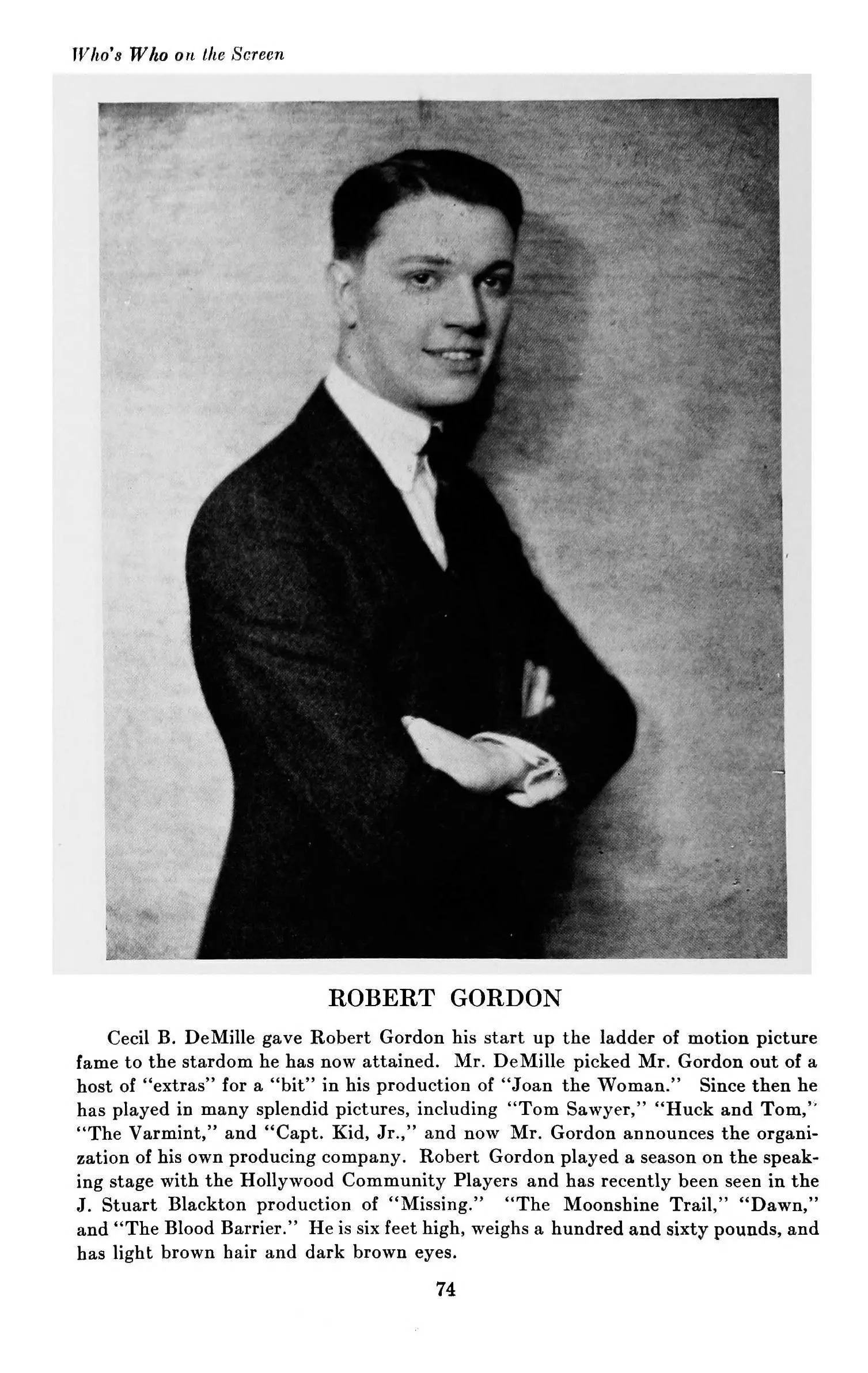
Similarly, A Rough Shod Fighter explored the complexities of post-war reintegration, focusing on a Southerner who fought for the Union. These films didn't offer easy answers. They presented characters who were internally conflicted, much like the protagonists of later cult staples. The "cult" status of these early works often stems from their willingness to engage with the uncomfortable. In Fighting Blood, the struggle is not just against the elements of a lumber camp, but against the internal pressures of legacy and love. These narratives provided a blueprint for the anti-heroes that would eventually define the counter-culture movements of the 1960s and 70s.
Genre Anarchy and the Birth of the Weird
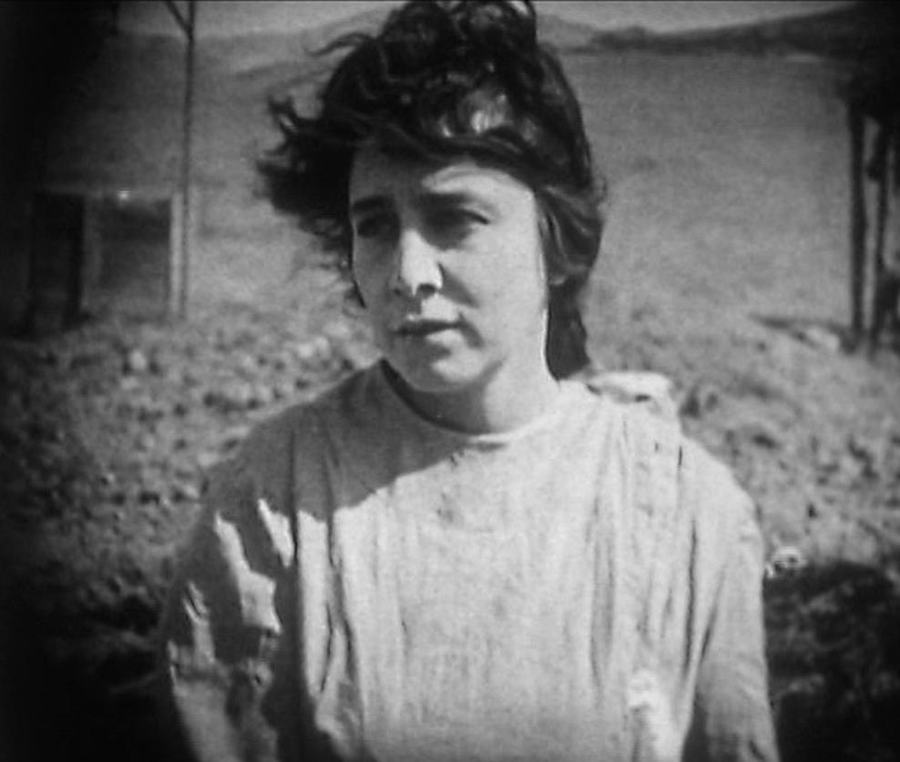
One of the defining characteristics of cult cinema is its refusal to stay within the lines of a single genre. Early cinema was a Wild West of storytelling where creators were still discovering what the camera could do. This led to fascinating hybrids that defy easy categorization. Take Without Hope (1914), a film that combined the tension of a thriller with the speculative wonder of early science fiction through its plot involving "noiseless gunpowder." This kind of narrative experimentation is exactly what fuels the devotion of a cult audience—the feeling that you are watching something that shouldn't exist by the standards of the time.
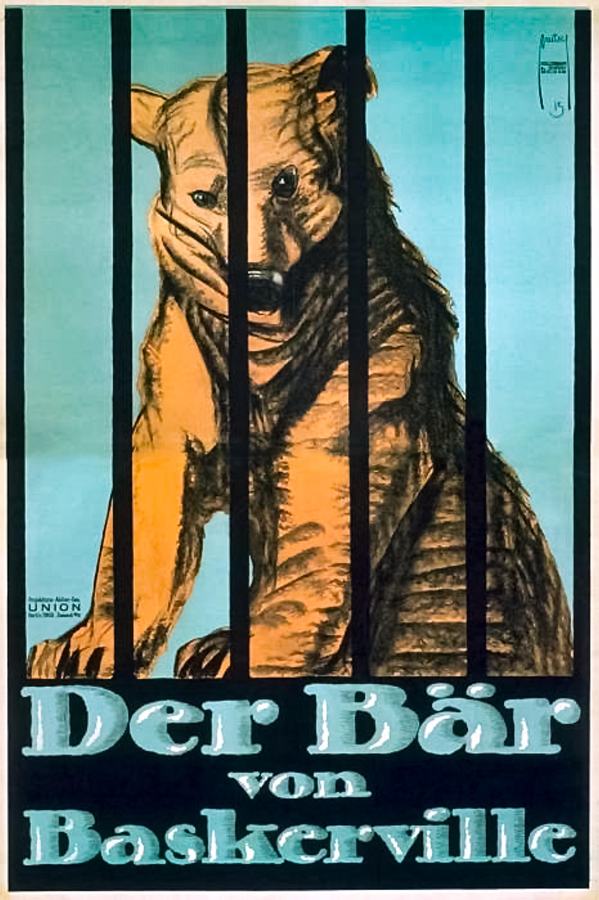
The uncanny and the mysterious also found an early home in the shadows of the silent era. Der Bär von Baskerville brought Sherlock Holmes into a realm of gothic dread, while Il mistero di Galatea tapped into the surreal. These films weren't just entertainment; they were sensory experiences. When we look at The Great Shadow, we see a drama that tackles the then-terrifying specter of Bolshevik propaganda within a shipbuilding plant. It’s a film that uses the medium to explore contemporary social anxieties, much like the transgressive cult films of the Cold War era would later do with nuclear paranoia.
The Wrongfully Accused: Empathy for the Outcast
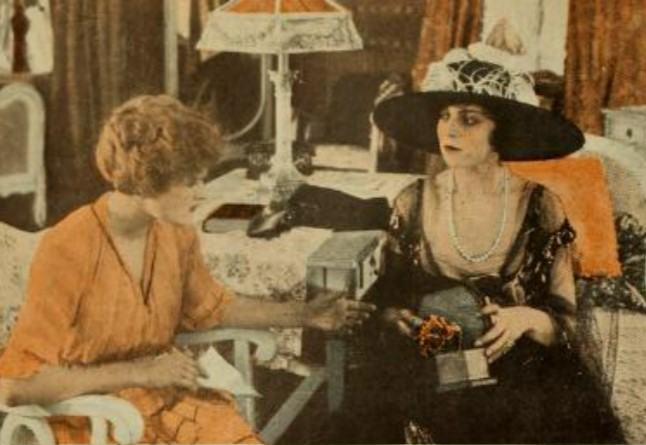
At the heart of many cult films is a deep-seated empathy for the misunderstood. This theme is vividly present in the 1911 film Historien om en gut. When a thirteen-year-old boy is falsely accused of theft and forced to flee, the audience is placed firmly in the shoes of the fugitive. This narrative of the "innocent on the run" creates a powerful bond between the viewer and the screen, a bond that is essential for the development of a cult following. We don't just watch the film; we advocate for the character.
This sense of social alienation is also explored in Blanchette, where a woman’s education becomes a barrier rather than a bridge, leading to her expulsion from her home. Cult cinema often speaks to those who feel they don't fit into the traditional structures of society. Whether it is the class struggles in Reaching for the Moon, where a factory worker dreams of being among kings, or the domestic turmoil of What's Your Reputation Worth?, these films validate the lived experiences of the fringe. They suggest that the "reputation" valued by the world is often a hollow shell compared to the internal truth of the individual.
The Double Life and the Escapist Dream
Cult films often provide a space for radical escapism, and early cinema was no different. The concept of the "double life" is a recurring motif that allows audiences to imagine a different reality. In the Hungarian masterpiece Az aranyember (The Man of Gold), Captain Mihály Tímár lives a life of immense wealth and prestige while secretly maintaining a family on a hidden island. This duality speaks to the core of the cult experience: the secret knowledge shared between the film and the fan. To be a cult follower is to inhabit a private world that the general public doesn't understand.
Escapism also takes a more whimsical turn in films like Cinderella of the Hills, where a young woman uses disguise to navigate a hostile family environment. This transformative power of the costume and the persona is a direct ancestor to the ritualistic dress-up and participation seen at screenings of films like *The Rocky Horror Picture Show*. Even the early animation of Bobby Bumps in Their Master's Voice shows a playful subversion of authority, as a young boy and his puppy navigate a world of technological mischief. These small rebellions against the status quo are the seeds from which the massive trees of cult fandom eventually grow.
Technological Rebels and Narrative Mutants
The fascination with technology and its potential for both salvation and destruction is a pillar of cult storytelling. In Without Hope, the invention of noiseless gunpowder represents a shift in the nature of warfare and secrecy. This focus on a "gadget" or a specific scientific anomaly often anchors a film in a niche category that attracts technical-minded fans. Similarly, the documentary Under Four Flags captured the mechanical and human scale of World War I, providing a raw, unedited look at history that functioned as a counter-narrative to the more polished propaganda of the era.
Narrative mutation is also evident in The Third Generation, which deals with the collapse of a prestigious New York family through fraud and suicide. It is a bleak, uncompromising look at the American Dream curdling into a nightmare. Cult audiences have always been drawn to these darker reflections of society. While the mainstream prefers a happy ending, the cultist seeks the truth, however ugly it may be. The "good-bad wife" archetype in The Good-Bad Wife further complicates moral binaries, presenting a music-hall dancer who follows her lover across the Atlantic, challenging the rigid Victorian morality of the time.
The Enduring Legacy of the Silent Fringe
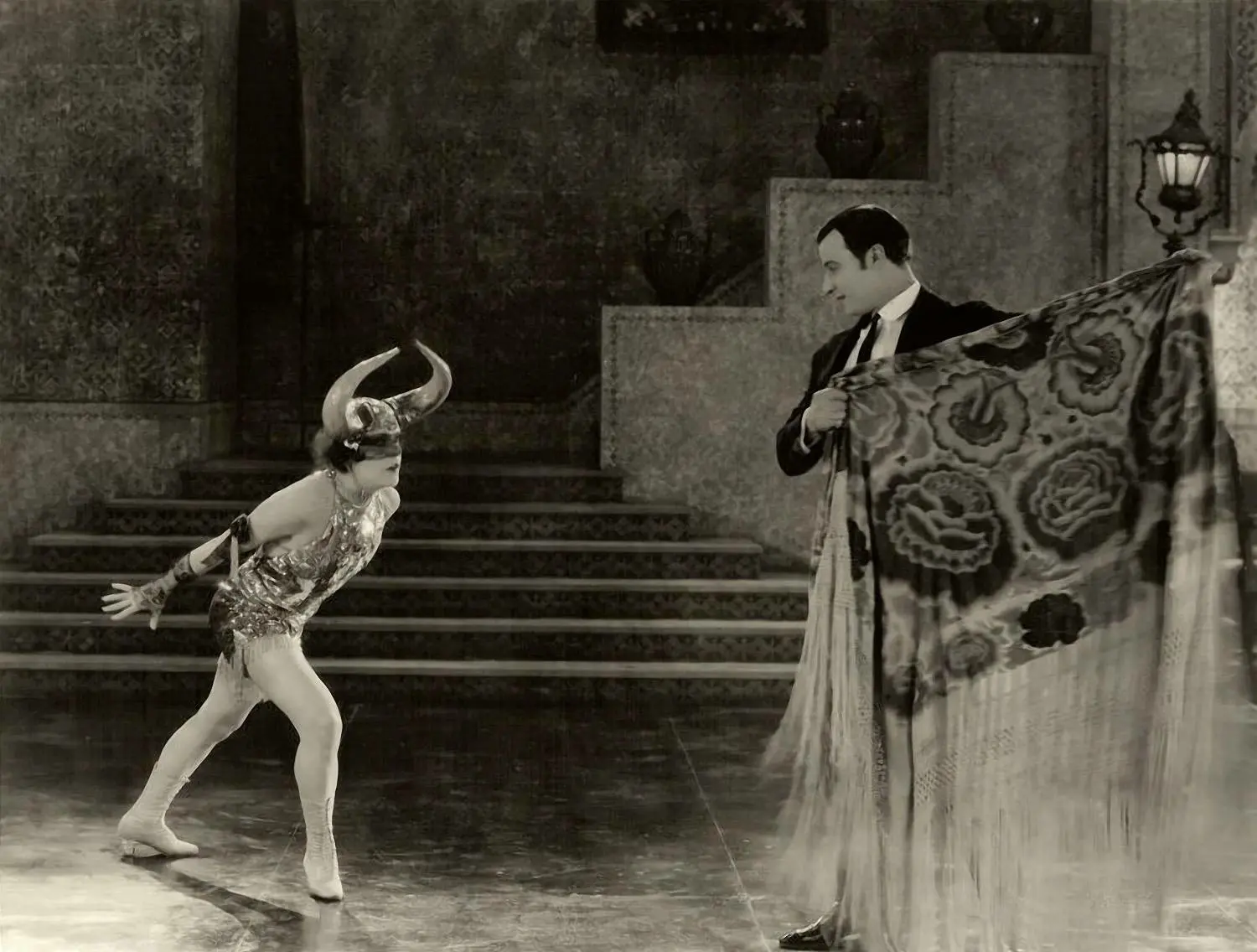
Why do we still talk about these films over a century later? Because they represent the raw, unfiltered spirit of cinematic creation. Before the industry became a streamlined machine, it was a playground for the eccentric and the daring. Films like The Last of the Mohicans (1920) showed the power of the epic scale, but it was the smaller, more intimate failures and oddities that truly defined the cult aesthetic. The Oval Diamond and its tale of envy and priceless gems, or The Outside Woman with its comedic exchange of an Aztec idol for a silk shawl, show a preoccupation with objects of power and the strange paths they take through human lives.
The cult film is, at its heart, a relic—a piece of art that survived when it should have been forgotten. When we watch Motherhood and its allegorical take on the horrors of war through the eyes of European peasants, we are connecting with a primal form of storytelling that bypasses the ego and speaks directly to the soul. The "Midnight Movie" is not a time of day; it is a state of mind. It is the willingness to look into the shadows and find beauty in the distorted, the forgotten, and the unloved.
Conclusion: The Alchemical Transformation
The process of a film becoming a "cult" classic is a form of alchemy. It requires the passage of time, a dedicated group of "disciples," and an inherent quality of the film that defies the mainstream. The early films we have discussed—from the Western firebrands to the Parisian dancers—were the first to undergo this transformation. They were the original misfits that paved the way for every genre-defying masterpiece that followed. By mapping the rebel DNA of cinema’s first century, we realize that the cult phenomenon is not a modern invention, but a fundamental part of the cinematic experience.
As we continue to explore the vast archives of film history, we must remain vigilant for the "unseen" gems. Whether it is a short comedy like Money to Burn or a deep drama like The Wife He Bought, every film has the potential to become a sacred object for the right audience. The renegades of the silent era are still speaking to us, their voices flickering in the nitrate grain, reminding us that the most powerful stories are often the ones told from the fringe. We are the inheritors of this deviant legacy, and it is our duty to keep the flame of the unconventional burning bright in the dark theaters of our minds.
Community
Comments
Log in to comment.
Loading comments…