
Cult Cinema Deep Dive
The Ethereal Outlaw: Unmasking the Primal Anarchy of Cinema’s Earliest Genre Experiments

“A deep dive into the transgressive roots of cult cinema, exploring how the silent era's misfit narratives and genre-bending experiments prefigured the modern midnight movie obsession.”
When we think of cult cinema, our minds often gravitate toward the neon-soaked midnight screenings of the 1970s or the transgressive underground movements of the 1980s. However, the true heartbeat of the cult phenomenon—that peculiar, obsessive devotion to the unconventional and the overlooked—finds its original rhythm in the flickering shadows of the early 20th century. Long before the term 'midnight movie' was coined, a collection of genre rebels and narrative outcasts were already dismantling the conventions of the silver screen, creating a primordial blueprint for the cult aesthetic. These early experiments were not merely films; they were acts of rebellion that challenged the moral and structural boundaries of a nascent medium.
The Gothic Heartbeat and the Mystery of the Macabre
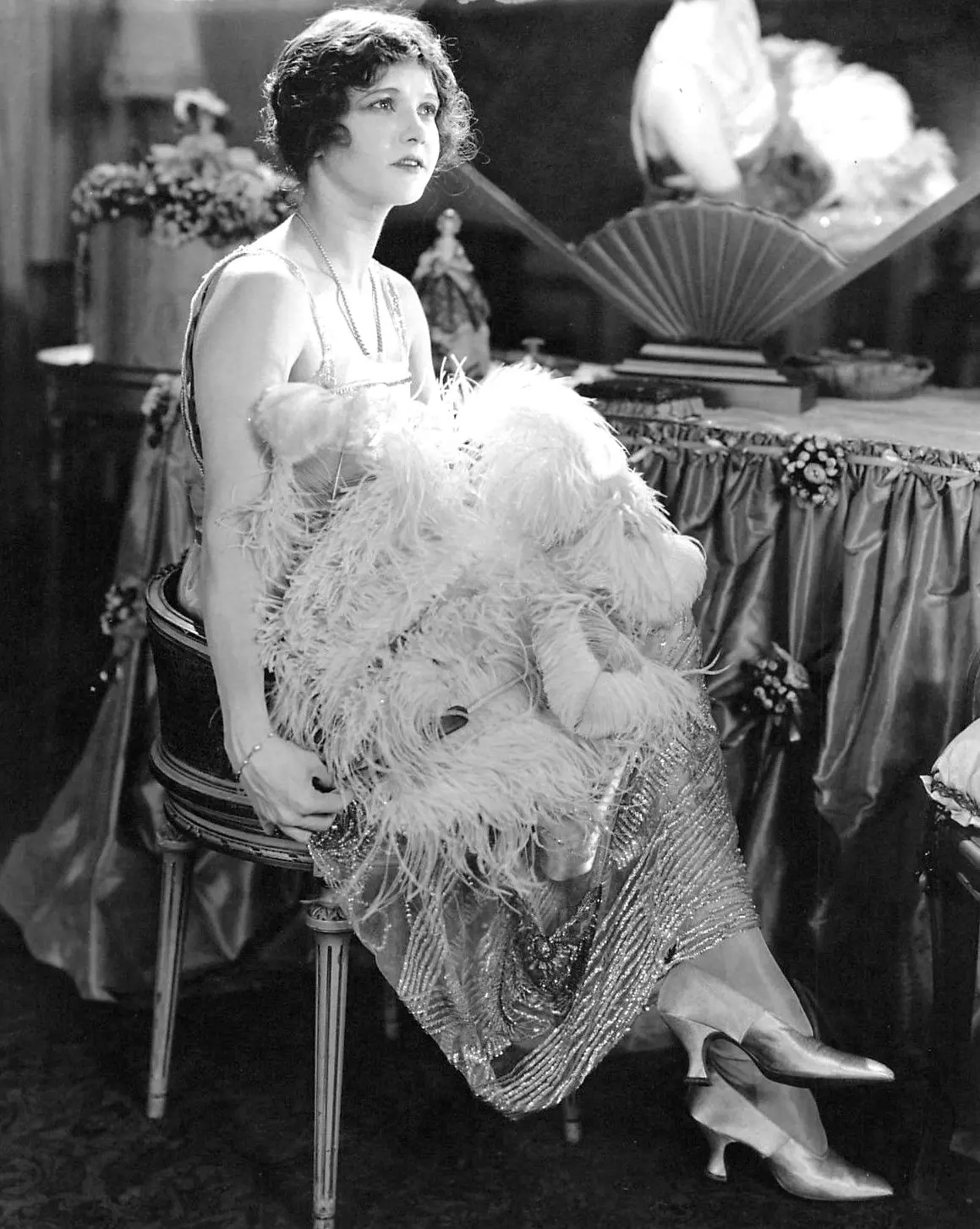
At the core of the cult obsession lies a fascination with the dark, the mysterious, and the morally ambiguous. In the early era of cinema, this was manifested through high-stakes melodramas and gothic mysteries that refused to play by the rules of polite society. Consider the haunting narrative of Sins of the Parents. The story of Laura Henderson, an orphan raised by her aunt Mary Sherman, only to find herself infatuated with an Italian violinist named Angelo Angelini, is more than a simple romance. It is a study in the social friction and the 'otherness' that would later define cult protagonists. The infatuation with the 'handsome Angelo' serves as a precursor to the archetypal cult obsession with the exotic and the musically inclined outsider.
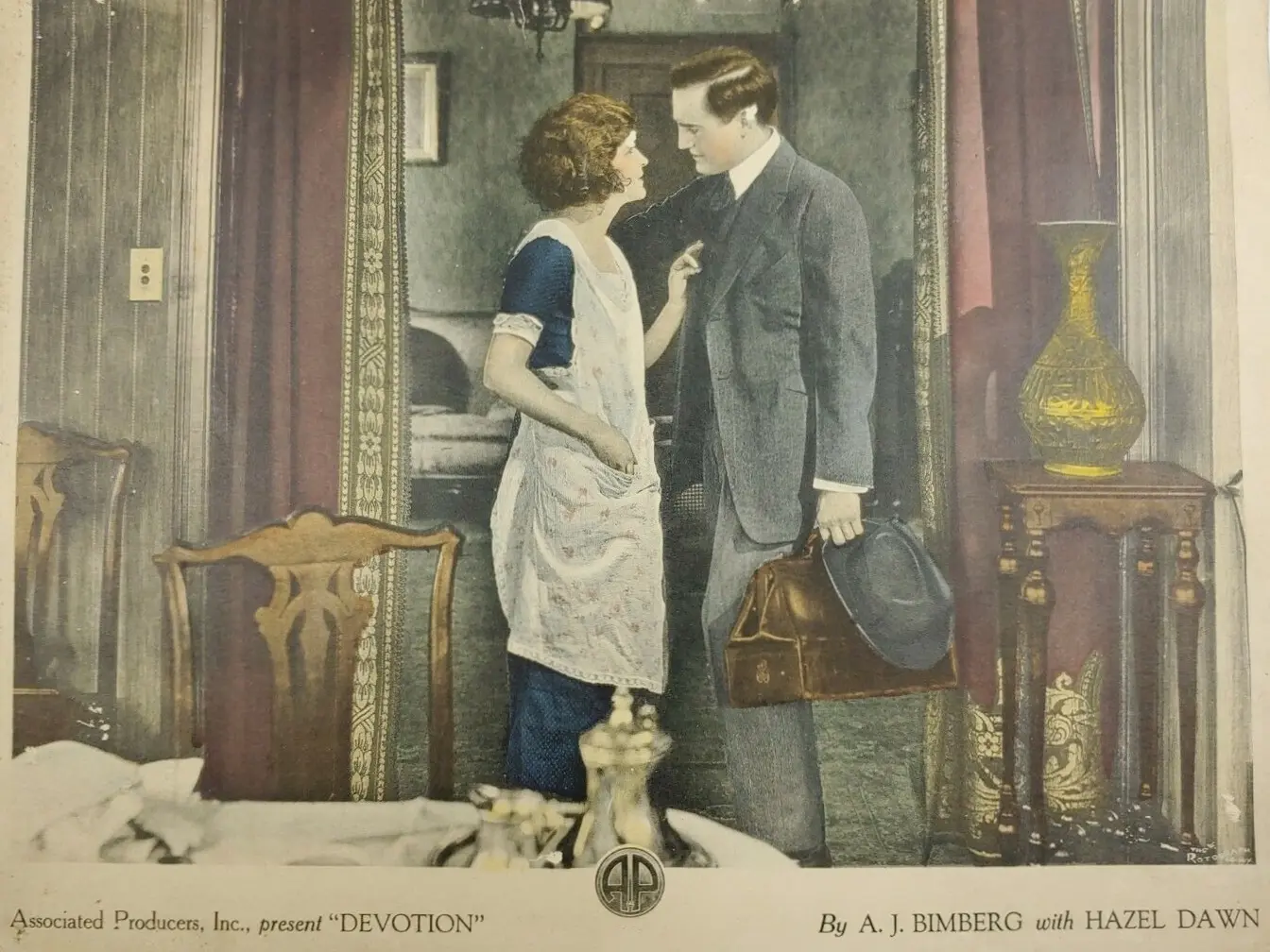
Similarly, the 1918 film The Brass Bullet introduced a level of narrative cynicism that felt decades ahead of its time. When Homer Joy attempts to steal his wife's fortune after his own death, only to be murdered under mysterious circumstances, the film taps into a dark, nihilistic energy. This subversion of the family unit and the focus on greed and retribution are themes that resonate deeply with the subversive DNA of modern cult classics. These films didn't just tell stories; they explored the shadow side of the human condition, inviting a specific type of viewer to find beauty in the macabre.

Bela Lugosi and the Architect of Evil
No discussion of cult cinema is complete without acknowledging the icons who personify the genre's magnetic pull. Long before he became the definitive Count Dracula, Bela Lugosi was already honing his craft as a master of the sinister in the 1918 Hungarian film Küzdelem a Létért (The Struggle for Life). Playing an architect named Orlay, Lugosi portrayed a man who would harm anyone—lovers, countesses, and poor girls alike—for personal gain. The moment Orlay believes he has achieved glory, only to have it snatched away, is a masterclass in the tragic villainy that cult audiences adore.
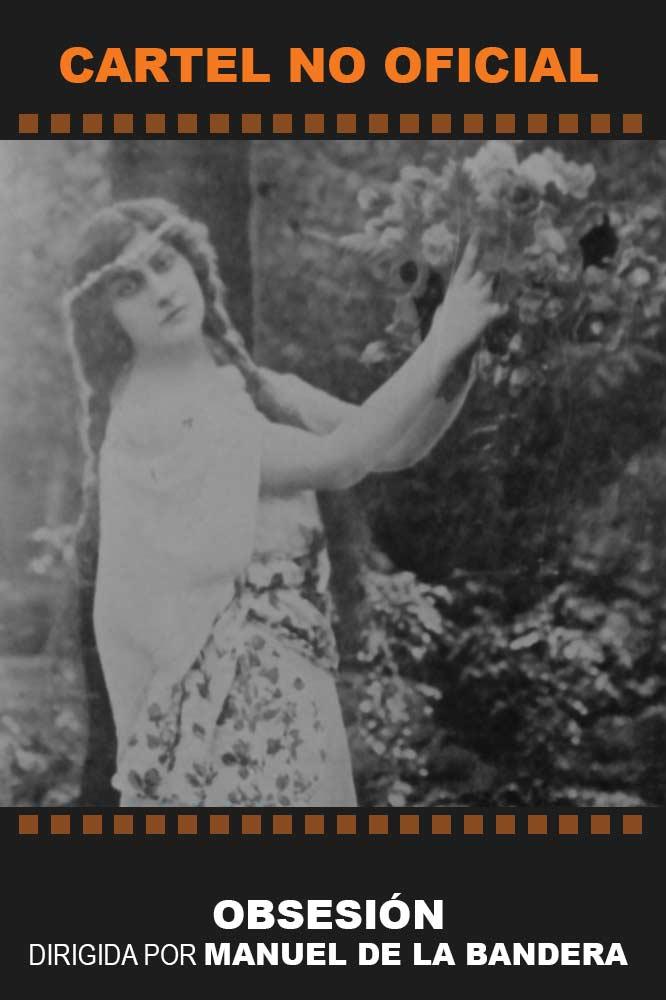
This early performance by Lugosi highlights a key element of the cult experience: the rise of the specialized star. Cult fans don't just watch a movie; they follow a presence. Lugosi’s Orlay was a precursor to the charismatic anti-heroes of the midnight circuit, a figure whose moral bankruptcy was offset by a screen presence so commanding it bordered on the hypnotic. This same energy is found in German works like Mitternacht, where the murder of an Attorney General’s wife leads to a web of suspicion and a mysterious ring with the initials 'DG'. These films created a language of suspense and persona that would eventually evolve into the genre-defining tropes of the 20th century.
High-Concept Serials and the Quest for Eternal Life
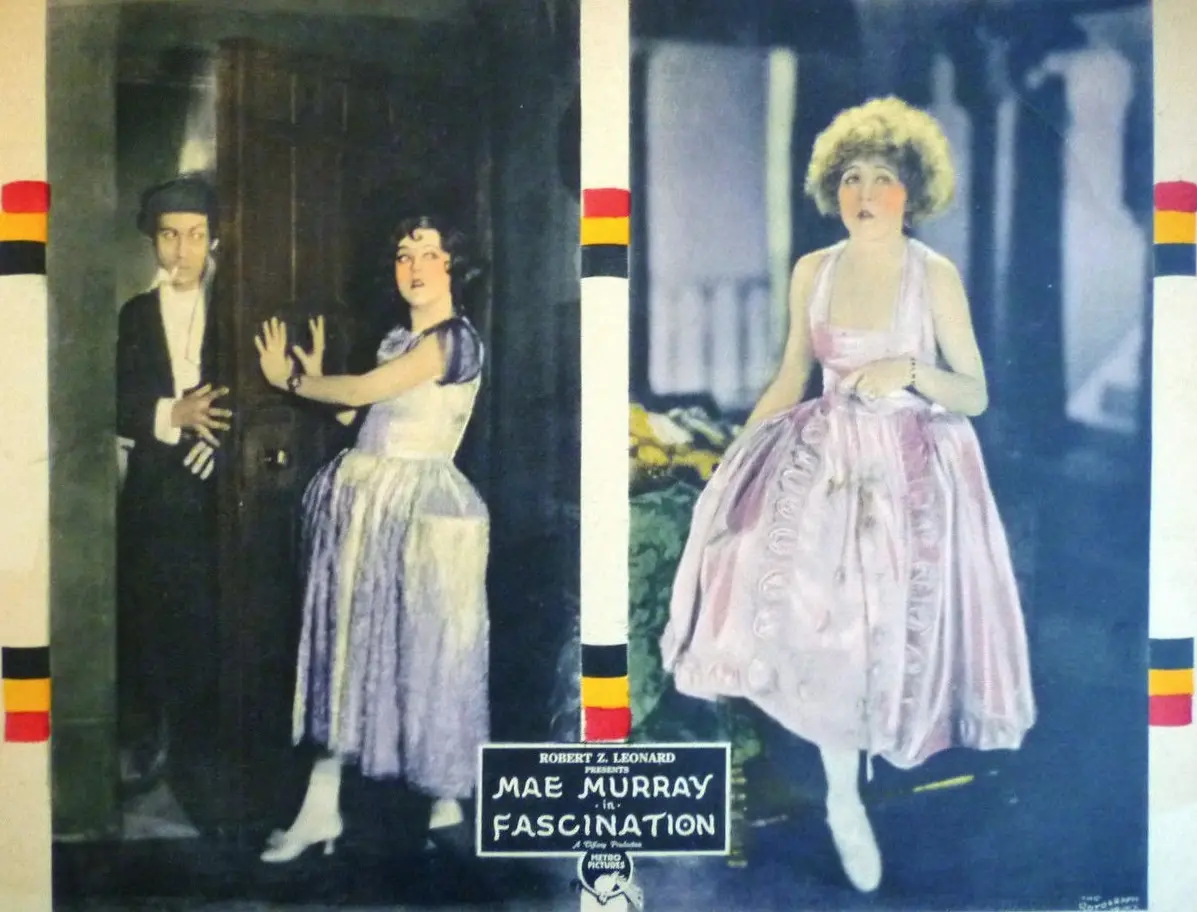
Cult cinema often thrives on 'high-concept' premises—ideas so grand or strange that they demand a dedicated following. In the silent era, this was the domain of the serial. The Seven Pearls and The Dragon's Net are prime examples of this narrative ambition. The latter, featuring a set of eight golden lotus leaves that hold the secret to eternal life, is a quintessential cult premise. The journey of a young girl tricked out of her leaf, enlisting an adventurer to track down the set, mirrors the quest-driven narratives of modern fantasy and sci-fi cult hits.
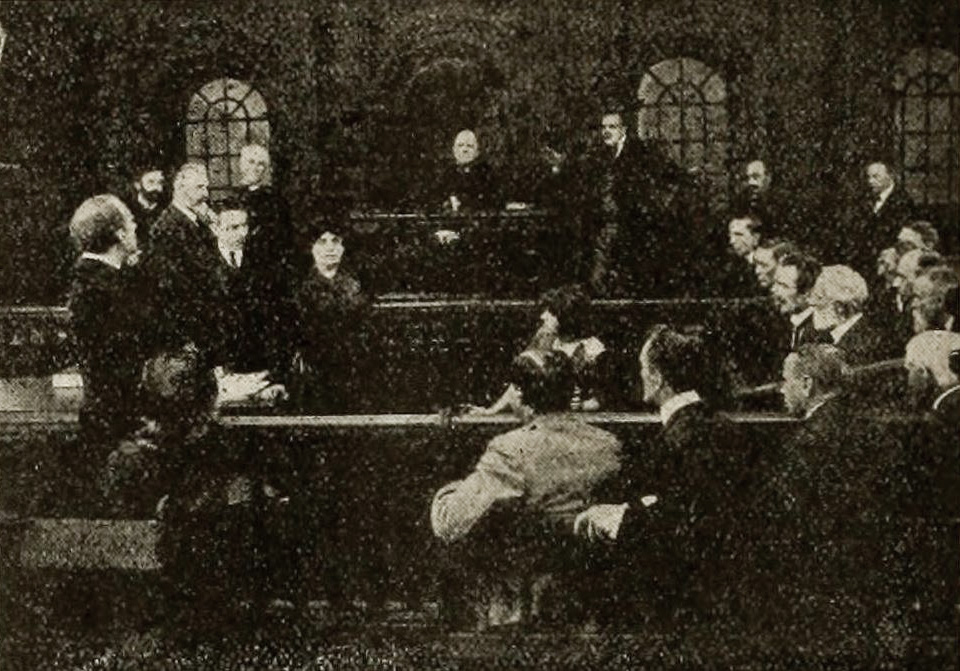
These serials were the 'binge-watching' experiences of their day, fostering a sense of community and anticipation among viewers. The Sultan's Necklace and the Bowstring episodes of The Seven Pearls provided a rhythmic, episodic engagement that prefigured the way modern fandoms obsess over lore and continuity. By blending action, mysticism, and high stakes, these films pushed the boundaries of what audiences expected from the cinematic experience, favoring spectacle and mystery over traditional dramatic structures.
Defiant Women and the Subversion of Gender Norms
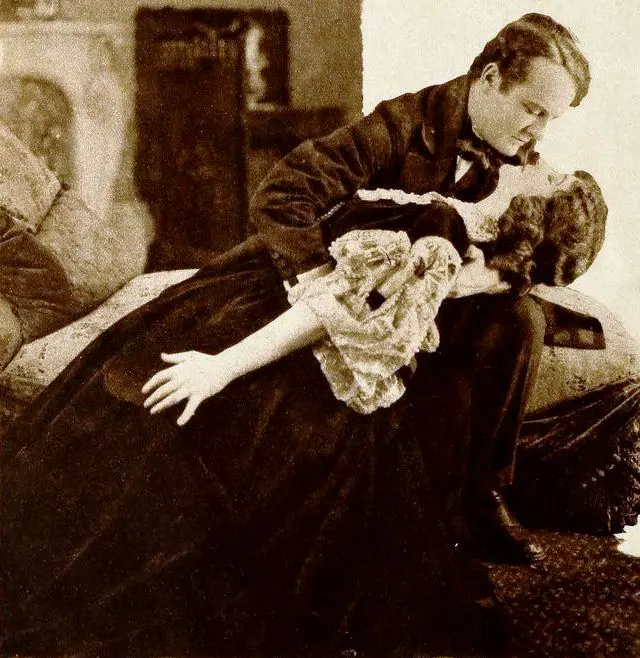
Perhaps the most potent aspect of early cult cinema is its willingness to feature 'difficult' or 'unconventional' women. In an era often associated with the 'damsel in distress,' films like The Panther Woman and The Rowdy offered something far more complex. Patience Sparhawk, the protagonist of The Panther Woman, is a character born of tragedy and Westward migration, forced to contend with a stepmother who tries to exploit her beauty. Her resilience and the 'panther-like' ferocity suggested by the title point toward the 'Final Girl' and 'Femme Fatale' archetypes that would later dominate cult horror and noir.
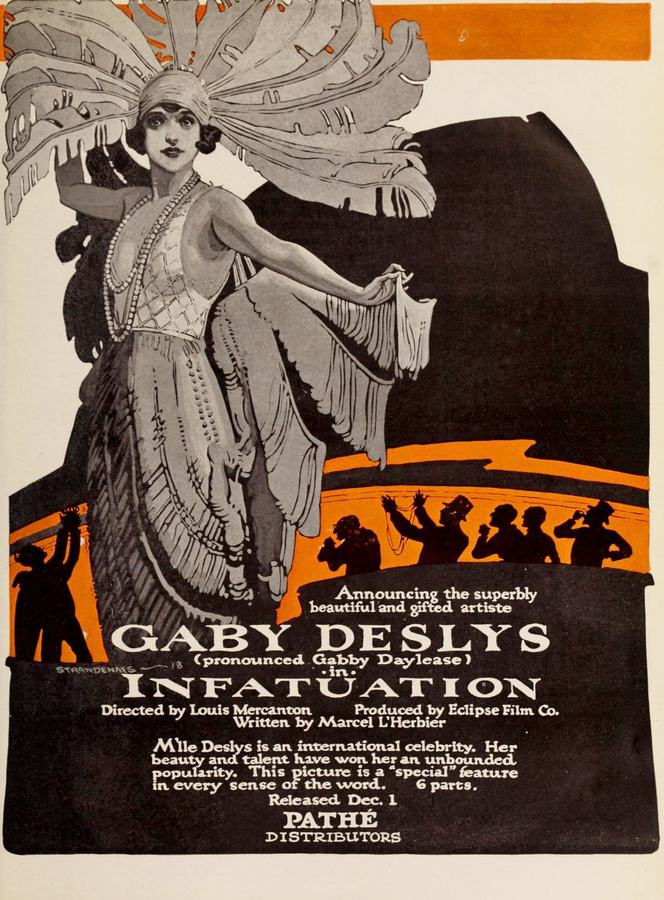
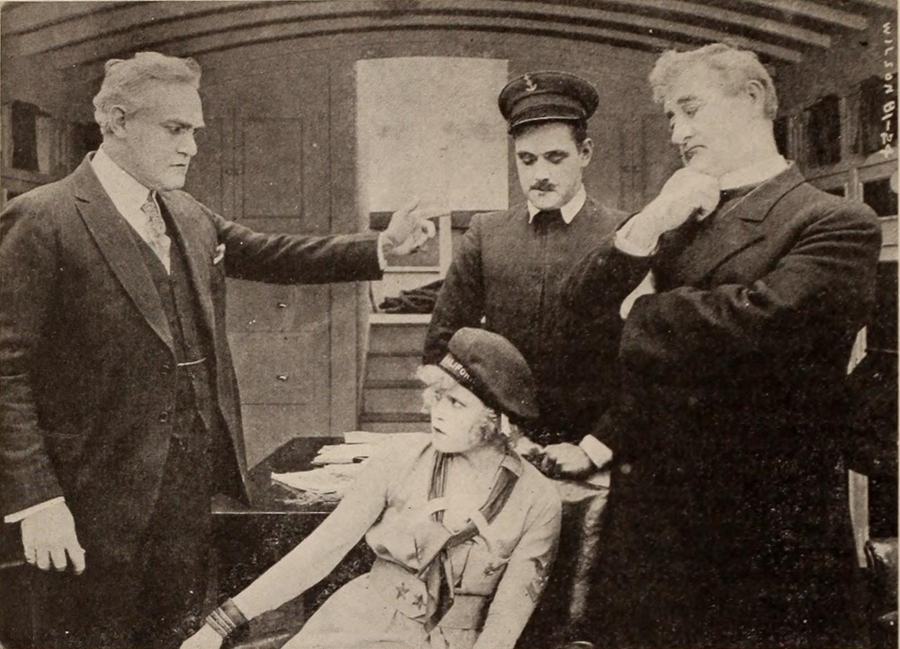
In The Rowdy, we meet Kit, an adventurous youngster of the docks who boards fishing vessels and defies the expectations of her New England upbringing. Kit is a 'girl with a singing soul' but also a 'rowdy'—a misfit who belongs to the fringes of society. This celebration of the tomboy and the adventurer provided a template for the rebel heroines of later decades. Even in The Woman Who Dared (1916), Beatriz Michelena’s portrayal of Princess Beatrix as an opera singer caught in a web of international romance and intrigue showcases a woman who is the master of her own destiny, a theme that remains a cornerstone of cult empowerment narratives.
Revolution, Realism, and the Gritty Periphery
Cult cinema has always had an uneasy relationship with reality, often gravitating toward the gritty, the political, and the transgressive. The fascination with the Mexican Revolution in films like Barbarous Mexico, Mexico Today, and Gold and the Woman highlights an early interest in 'outlaw' cultures and social upheaval. These films, often blending documentary-style footage with dramatized narratives, captured a world in flux, appealing to audiences who were tired of the sanitized versions of history presented by mainstream studios.
The depiction of the Mexican Revolt of 1910-1911 in Barbarous Mexico provided a visceral, often shocking look at conflict that prefigured the 'grindhouse' aesthetic. This raw, unfiltered approach to storytelling is a hallmark of cult cinema, where the unvarnished truth is valued over cinematic polish. Whether it was the illiterate mountain girl Madge Brierly fighting for her coal-rich lands in In Old Kentucky or the illicit trade and rigid law of the Northwest in Riders of the Law, early cinema was obsessed with the struggle of the individual against corrupt systems.
The Comedy of the Misfit and the Absurd
While drama and mystery provided the shadows, comedy provided the 'weirdness' that is essential to the cult canon. The Cradle Buster features Benjamin Franklin Reed, affectionately known as 'Sweetie,' who decides on his 21st birthday to assert his independence from his mother's apron strings. The absurdity of a grown man nicknamed 'Sweetie' struggling for adulthood is a proto-cult concept, tapping into the same vein of eccentric character study found in films like *Napoleon Dynamite* or *The Big Lebowski*.
Short comedies like Where Is My Wife? and What Next? utilized slapstick and situational irony to explore the anxieties of modern life—marriage, social standing, and the chaos of the city. These films often featured protagonists who were slightly out of step with the world around them, a trait that endears them to the 'misfit' audience that forms the core of cult fandom. The 'WAMPAS Baby Stars of 1922' short also reminds us of the industry's early obsession with fame and the 'next big thing,' a meta-commentary that often surfaces in cult films that deconstruct the nature of Hollywood itself.
International Visions and the Universal Language of the Fringe
Cult cinema is a global phenomenon, and its roots are spread across the international landscape. The Swedish historical drama En lyckoriddare, starring Gösta Ekman as a dashing rogue, and Thomas Graals myndling, which explores the dreams of luxury and the student life of Paul and Babette, show that the 'cult' spirit was alive and well in Europe. These films brought a different aesthetic sensibility—one that was often more visual and less reliant on traditional narrative tropes.
In Denmark, Det døde Skib (The Dead Ship) explored themes of isolation and the maritime macabre, while in Italy, Il mulino utilized the rural landscape to tell stories of primal human drives. These international contributions were vital in creating a global lexicon of the unusual. They proved that the desire for the unconventional was not limited by geography or language; it was a universal human impulse to seek out the strange, the beautiful, and the defiant.
The Legacy of the Forgotten Reel
Many of these films, such as The Heritage of Hate or The Price of Tyranny, dealt with heavy themes of vengeance, illegitimate children, and the ungovernable tempers of the powerful. They were the 'social thrillers' of their time, masking deep critiques of class and morality behind the veneer of popular entertainment. When Roberta in The Heritage of Hate seeks vengeance against her wealthy father who abandoned her mother, she embodies the righteous fury that fuels so many cult narratives.
Ultimately, the early era of cinema was a wild west of creativity, where the rules were still being written and the 'misfit' was often the star of the show. From the sky-high wagers of The Sky Monster to the sordid tenement dreams of It Happened to Adele, these films laid the groundwork for everything we love about cult cinema today. They taught us to look beyond the marquee, to find the beauty in the flicker, and to cherish the stories that refuse to be forgotten. As we look back at these silent rebels, we see not just the past of cinema, but the enduring soul of the cult phenomenon—a spectral rebellion that continues to haunt and inspire us in equal measure.
In the end, cult cinema is about the 'unseen'—the films that were too strange for the mainstream, the actors who were too intense for the suburban audience, and the stories that spoke to the outcasts of the world. By unearthing these early genre experiments, we honor the original anarchists of the screen and ensure that the midnight flame of cinematic obsession never truly goes out. Whether it's the search for eight golden lotus leaves or the struggle of a 'rowdy' girl on the docks, the primal pulse of the periphery is still beating, loud and clear, in the heart of every true film lover.
Community
Comments
Log in to comment.
Loading comments…