
Deep Dive
The Midnight Fossil: Unearthing the Primal Weirdness and Narrative Mutants of Cinema’s Dawn
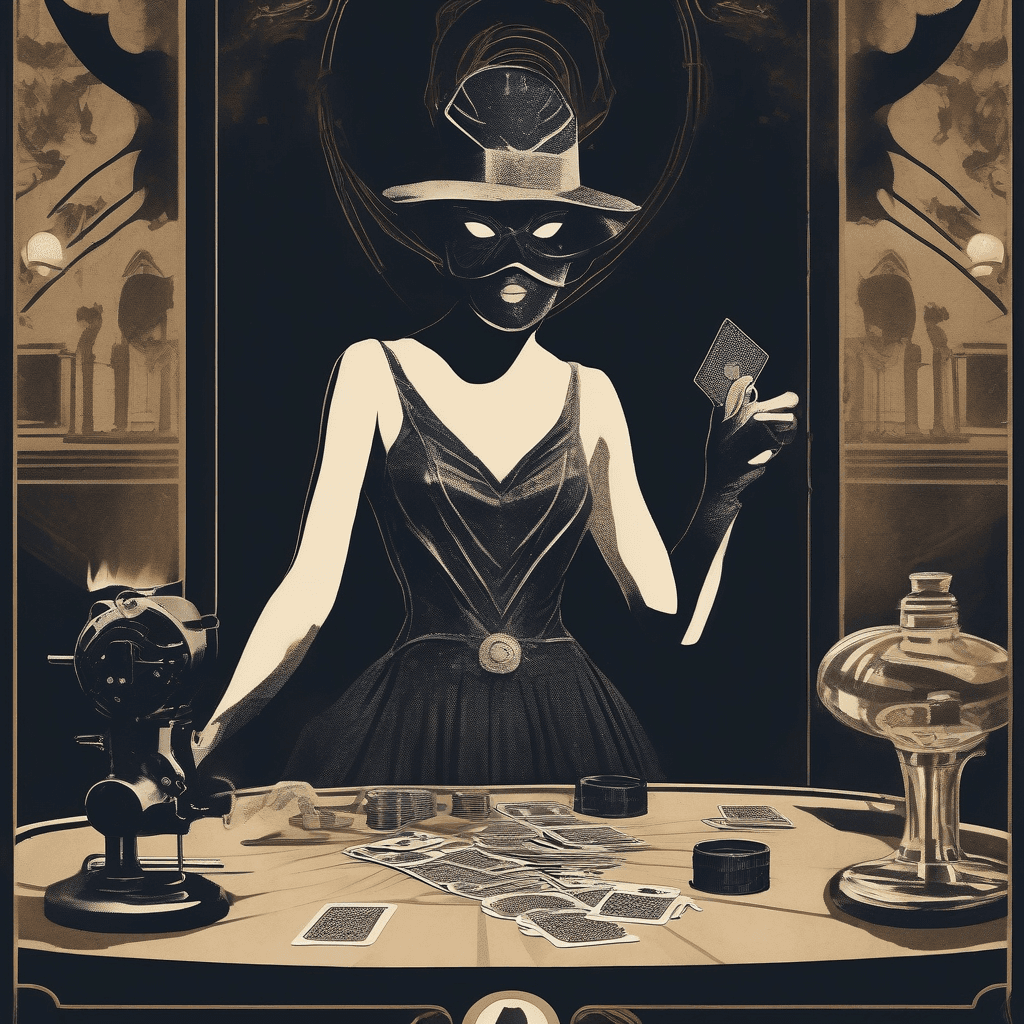
“A deep dive into how the silent era's most daring anomalies—from masked vigilantes to moral outcasts—engineered the DNA of modern cult cinema.”
To understand the modern midnight movie, one must look past the neon-soaked 1970s and dive into the flickering, nitrate-scented shadows of the early 20th century. Cult cinema is often defined by its deviance from the norm, its embrace of the transgressive, and its ability to foster a obsessive, almost religious devotion among a niche audience. While the term 'cult film' is a relatively modern invention, the spirit of the cinematic outlaw was born the moment the first hand-cranked camera captured something that the polite society of the 1910s and 20s found uncomfortable, bizarre, or revolutionary.
The Genesis of the Cinematic Outcast: Moral Ambiguity as a Cult Catalyst
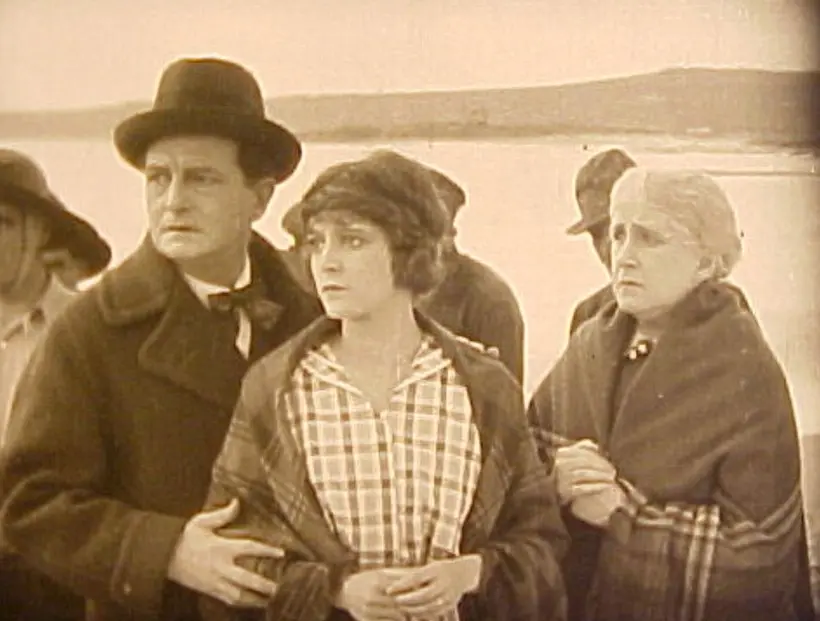
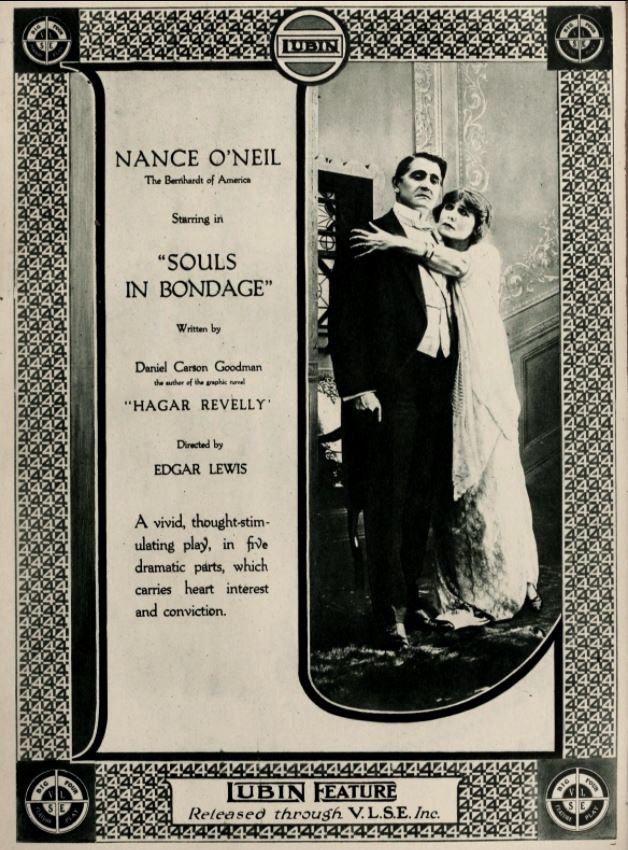
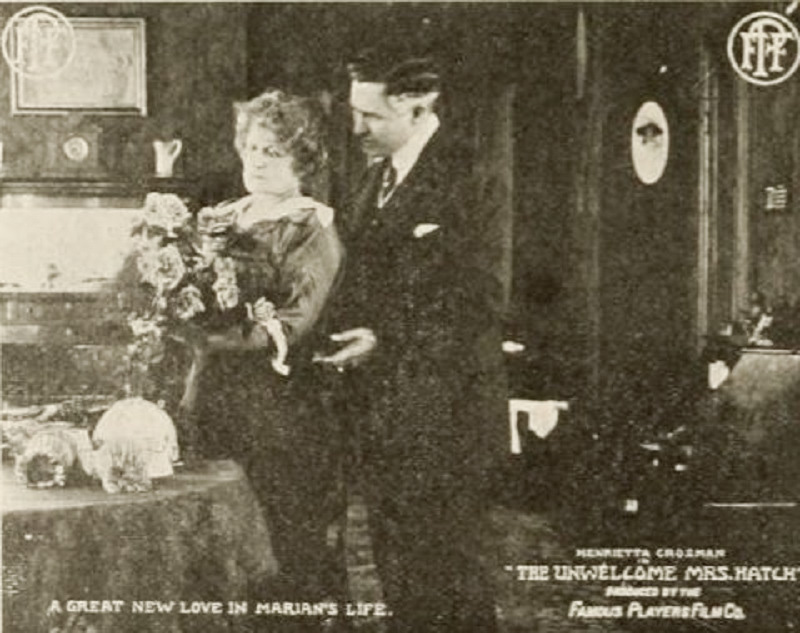
Long before the anti-heroes of the New Hollywood era, early cinema was experimenting with characters who lived on the fringes of social acceptability. In 1917’s Souls in Bondage, we see the blueprint for the 'cult of the underdog.' The protagonist, Rosa, is treated as a social pariah, living in the shadow of her sister. This narrative of the 'outcast' is a cornerstone of cult appeal; audiences have always gravitated toward characters who reflect their own feelings of marginalization. This theme is echoed in The Unwelcome Mrs. Hatch (1914), where a banished mother returns as a lowly seamstress to witness her daughter’s wedding—a poignant, almost transgressive look at the rigidity of class and morality.
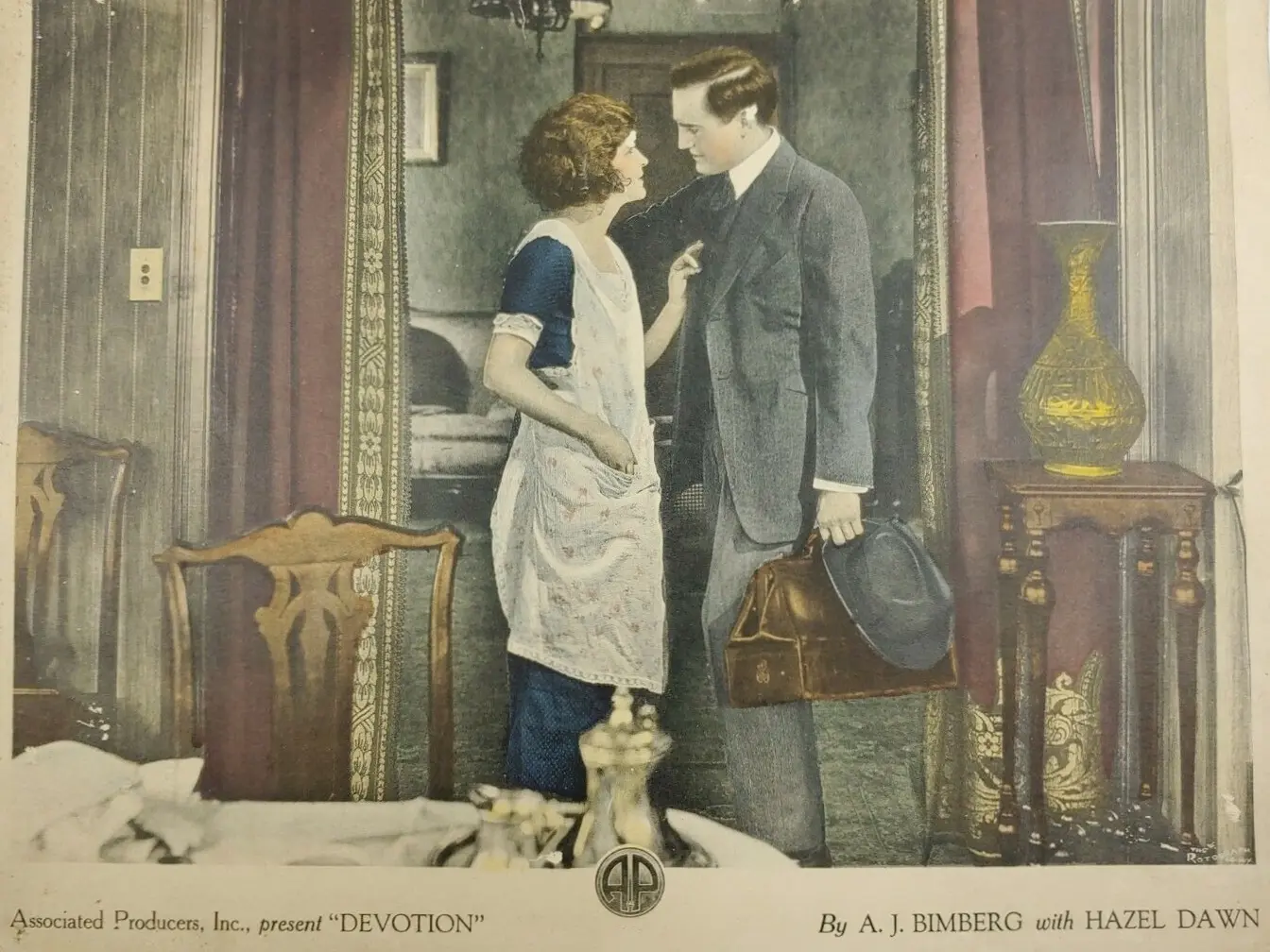
These early melodramas, such as The Eternal Mother and Whispers (1920), utilized the 'scandal' as a narrative engine. In Whispers, the social ostracization of Daphne Morton for her association with a married man created a tension that resonated with audiences who felt stifled by the era’s Victorian hangovers. These films weren't just stories; they were reflections of a changing moral landscape, and their ability to provoke 'whispers' among the public is exactly what happens when a film gains a cult following today.
Genre Anarchy: When the Weird Met the Screen
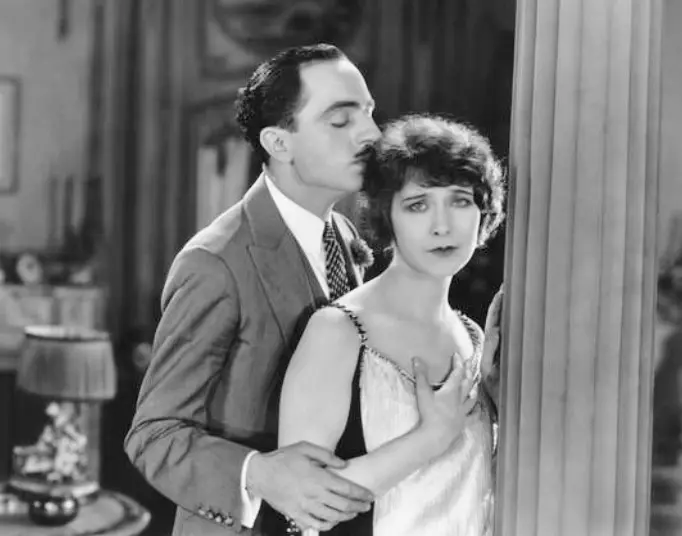
If cult cinema is defined by 'the weird,' then the 1921 short The Scarecrow is a foundational text. Imagine a drunken gardener challenged to a poker match by agents of the Devil, complete with location shots in Hades. This is pure, unadulterated genre anarchy. It bypasses the logical structures of mainstream storytelling to deliver a fever dream of visual inventiveness. This penchant for the supernatural and the surreal provided a fertile ground for what would eventually become the horror and fantasy cults of the later century.
Similarly, the 1916 twelve-part serial Judex introduced the masked vigilante to the masses. Fighting against the corrupt banker Favrauxom, Judex was more than a hero; he was a symbol of masked rebellion. The aesthetics of Judex—the capes, the shadows, the secret hideouts—prefigured the gothic obsession that fuels cult hits like The Crow or Batman. It was cinema that refused to stay within the lines of a simple drama, opting instead for a sprawling, mysterious mythology that demanded repeat viewings to fully decode.
The Transgressive Lens: Propaganda and Taboo
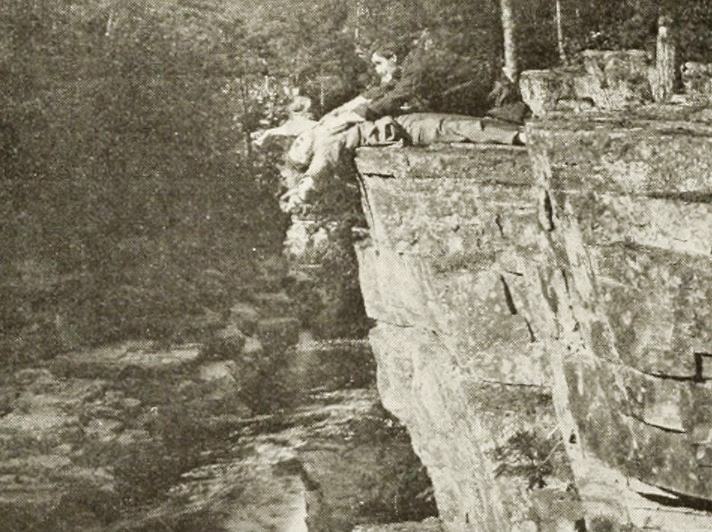
Cult cinema often intersects with the forbidden. Take The Scarlet Trail (1918), a docudrama designed as propaganda for the prevention of venereal disease. In its time, it was a 'forbidden' film, dealing with a subject matter that was strictly taboo. This intersection of education and exploitation is a hallmark of the 'grindhouse' tradition. By bringing the unspeakable to the screen, films like The Scarlet Trail paved the way for the transgressive cult films of the 60s and 70s that sought to shock the conscience of the viewer.
The Frontier of the Misfit: Westerns and the Maverick Spirit
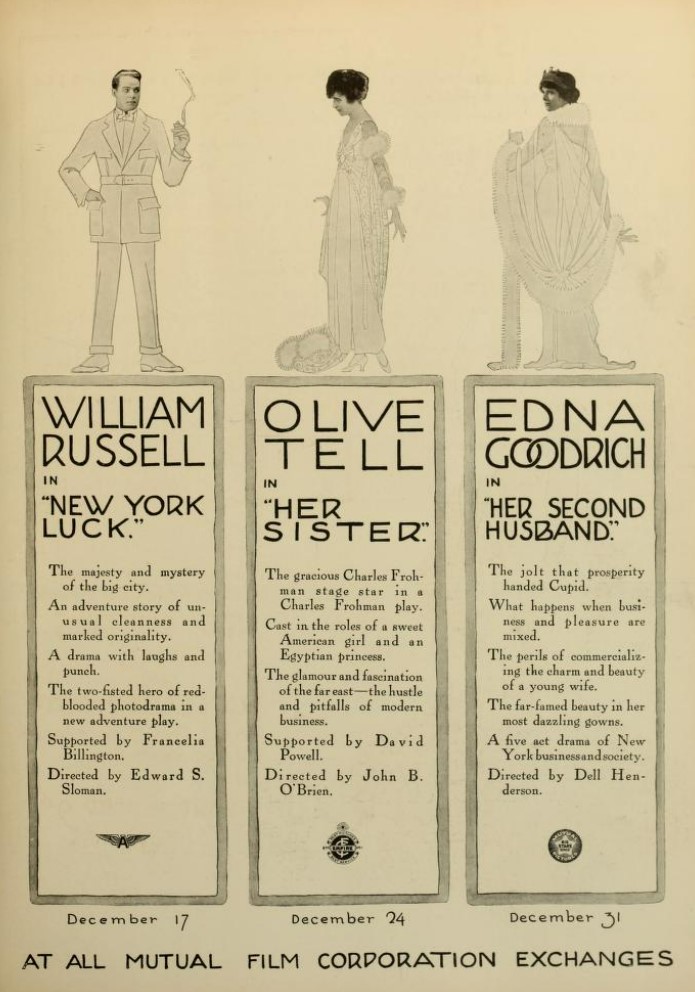
The American West provided a perfect backdrop for the early cinematic maverick. In Tempest Cody Rides Wild (1919), we are introduced to a female peace officer in a wild western town—a character that defied the gender norms of her time. This subversion of the 'damsel in distress' trope is a primary reason why certain early westerns retain a cult-like fascination. They offered a vision of the world where the rules were being rewritten in real-time.
Films like Western Speed (1922) and Overland Red (1917) focused on characters with hidden identities and shady pasts. In Western Speed, a father and daughter are received with suspicion, only for their true, noble natures to be revealed through acts of rescue. This 'stranger in a strange land' motif is central to the cult experience, where the audience aligns themselves with the misunderstood visitor against a judgmental community. Overland Red, featuring a tramp prospector who finds a secret gold mine, celebrates the 'hobo' as a hero, a thematic precursor to the counter-culture movements that would later embrace films like Easy Rider.

Global Anomalies: The International Roots of the Fringe
The cult phenomenon was never limited to Hollywood. In 1919, the Czech film Ukrizovaná (The Crucified) presented a harrowing narrative of a pogrom, a convent, and a child born of tragedy. Its dark, heavy themes and religious iconography represent the 'extreme' end of early cinema, a precursor to the transgressive European horror of the 1970s. Meanwhile, German cinema was producing works like Das Zeichen des Malayen and Das Tal des Traumes, which brought an expressionistic, often unsettling visual language to the screen.
Even in Italy, the 'Maciste' films, such as Maciste turista, created a physical, almost superhuman icon that audiences followed with religious fervor. These weren't just movies; they were experiences built around a central, charismatic figure who transcended the screen. This 'star-worship' of a specific, unconventional character is the very essence of cult fandom. Whether it’s the bumbling provincial in The Pride of the Firm (starring a young Ernst Lubitsch) or the vengeful Candace in Flames of the Flesh (1919), early audiences were already identifying with specific 'types' that existed outside the romantic lead archetype.
The Domestic Absurd: Comedy of Errors and Social Satire
Cult films aren't always dark; sometimes they are defined by a specific, heightened sense of absurdity. The Fibbers (1917) and Tillie's Tomato Surprise (1915) utilized slapstick and misunderstandings to satirize the social mores of the day. In Limousine Life (1918), the 'simple village maiden' who falls for the city’s temptations becomes a satirical take on the 'fallen woman' trope. These films used humor to poke holes in the facade of respectable society, a tactic later perfected by cult directors like John Waters.
Even children’s media of the time had a 'weird' edge. Bobby Bumps and the Hypnotic Eye (1916) features a young boy and a puppy getting into mischief via hypnosis—a concept that is as charming as it is slightly surreal. The Puppy Days documentary and Good Little Brownie shorts show a fascination with the mundane turned into the spectacle, a proto-version of the 'found footage' or 'niche documentary' cults of today.
Unconventional Narratives: Breaking the Three-Act Mold
One of the reasons certain films from this era, like Seven Keys to Baldpate (1917), remain fascinating is their meta-narrative structure. A writer bets he can write a novel in 24 hours while staying at a closed inn; the layers of fiction and reality began to blur long before the 'post-modern' era. This intellectual playfulness is a hallmark of the 'high-concept' cult film. Similarly, A Butterfly on the Wheel (1915) explores the slow deterioration of a marriage due to neglect and business obsession, offering a psychological depth that was often missing from the more straightforward 'cliffhanger' serials of the day.
Then there is the sheer narrative mutation of The Road Demon (1921), where a cowhand trades his horse for a broken-down car and becomes a racing legend. It’s a story of mechanical obsession, a theme that would eventually fuel cult classics like Two-Lane Blacktop or Mad Max. The obsession with the machine, the speed, and the 'demon' of the road is a primal cult archetype that found its first expression in these early nitrate reels.
Conclusion: The Eternal Flame of the Misfit Reel
As we look back at films like Mountain Law (with its 20-year family feud) or The Sea Flower (involving German spies and secret service agents), we see a cinema that was unafraid to be messy, specific, and occasionally bizarre. These films were the 'midnight movies' of their time, even if they played at noon. They provided the genetic material for everything we now call 'cult.' They taught us that the most enduring stories aren't always the ones that win the most awards or make the most money; they are the ones that speak to the 'misfit' in all of us.
From the 'pogrom' drama of Ukrizovaná to the gambling debts of The Girl in the Web, early cinema was a vast, chaotic laboratory of human experience. The fans who today track down obscure 1920s prints are the direct descendants of the audiences who first sat in the dark and felt the 'hypnotic eye' of the screen taking hold. Cult cinema is not a genre; it is a relationship between a daring piece of art and an audience brave enough to embrace it. And that relationship began over a century ago, in the flicker of a silent, rebellious frame.
Community
Comments
Log in to comment.
Loading comments…