
DbcultAccessing Vault...
Cult Cinema Deep Dive
Archivist John
Senior Editor
The concept of the "cult film" is often associated with the midnight movie madness of the 1970s—the flying toast of The Rocky Horror Picture Show or the gritty urban decay of Eraserhead. However, the genetic blueprint for cinematic rebellion was drafted decades earlier, in the flickering shadows of the silent and early sound eras. Long before the term "cult" was codified by critics, a series of transgressive visions and narrative outliers were already challenging the status quo, creating a secret language for those who lived on the margins of society. To understand the modern obsession with the unconventional, we must look back at the cinematic outcasts who first dared to dance in the dark.
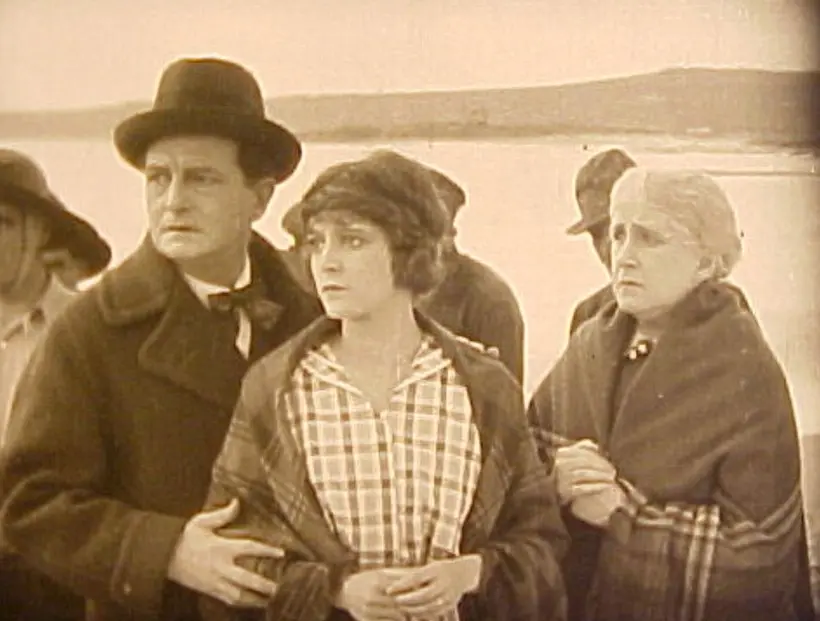
In the nascent years of film, the industry was a wild frontier where moral certainty was frequently subverted. Consider the 1916 film A Woman's Power, where Newt Spooner’s deep-rooted hatred and determination to kill Henry Falkins represent a primal, seared intensity that predates the revenge-driven cult classics of the 1970s. This wasn't just a story; it was a character study in obsession—a hallmark of what we now define as cult cinema. Similarly, the 1918 masterpiece The Whispering Chorus by Cecil B. DeMille offers a harrowing glimpse into identity theft and psychological collapse. When John Trimble embezzles and attempts to vanish by using a mutilated body to fake his own death, the film dives into a subterranean psyche that mainstream audiences of the time found deeply unsettling. Yet, it is precisely this unsettling quality that attracts the cult devotee—the search for a film that stares back into the abyss.
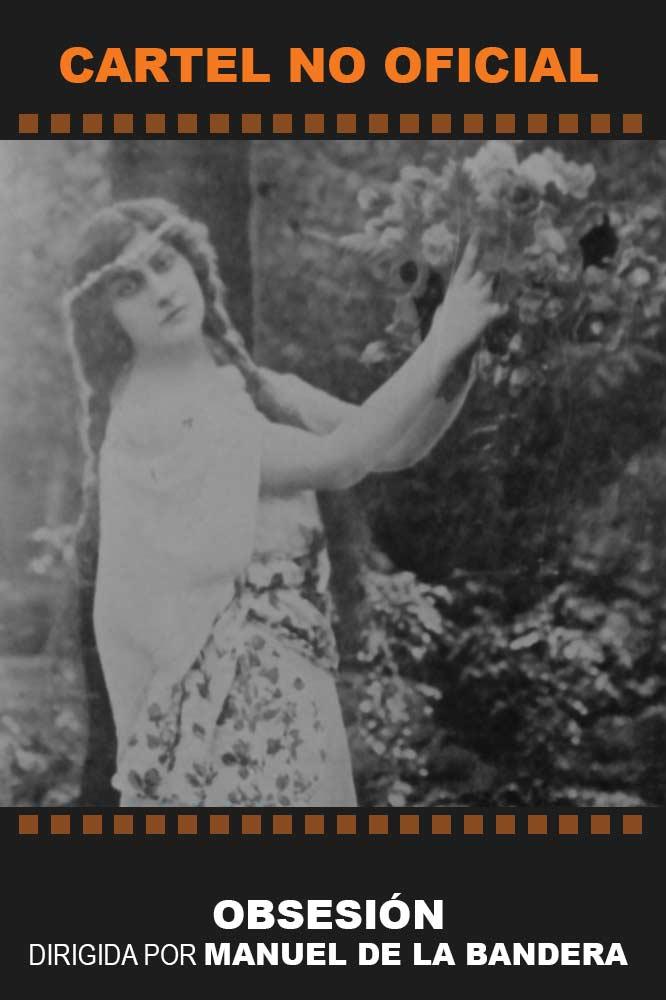
Cult cinema often thrives on the fluid nature of identity. The 1914 film The Key to Yesterday introduces us to George Carter, a revolutionist who is the exact double of a famous artist. This trope of the "doppelgänger" or the hidden self is a recurring motif in fringe cinema. It reflects a collective anxiety about who we truly are beneath the masks of social expectation. We see this again in While Satan Sleeps (1922), where a prison escapee disguises himself as a minister. The irony of a criminal preaching morality in a mining town creates a transgressive friction that is inherently cult-like. It challenges the sanctity of the pulpit and suggests that the line between the saint and the sinner is thinner than we dare to admit.
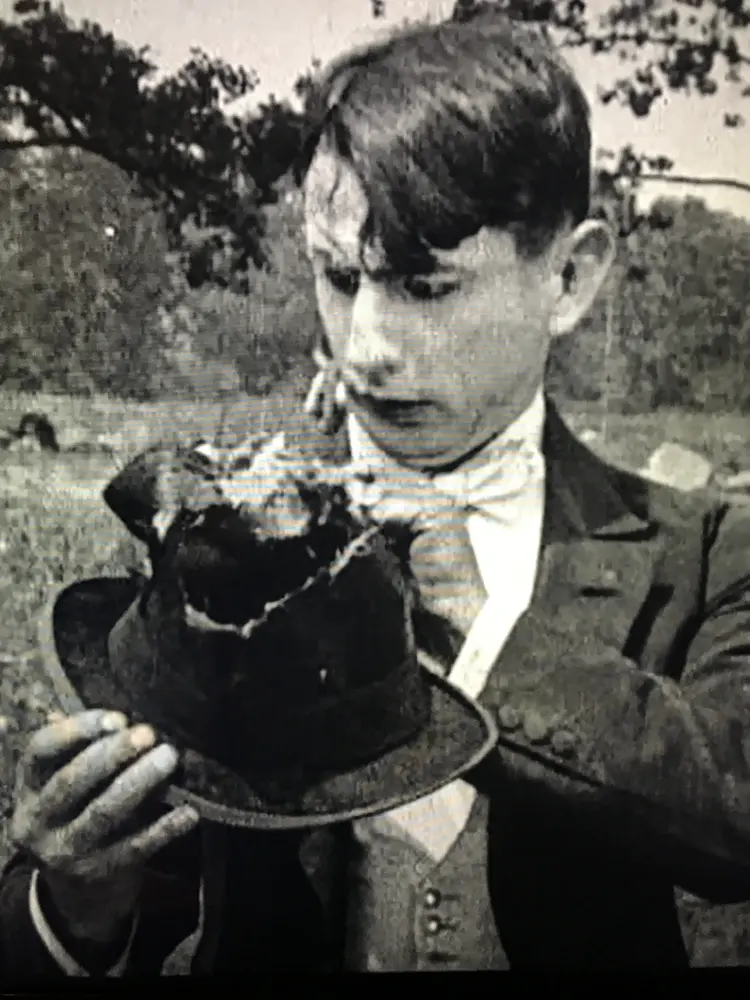
The early 20th century was also a period of radical shifts in how women were portrayed on screen, often moving beyond the simple "maiden in distress" to more complex, often defiant archetypes. In The Delicious Little Devil (1919), Mae Murray plays a hat-check girl who reinvents herself as a roadhouse dancer to survive. This narrative of self-creation through performance is a foundational element of the cult experience. It mirrors the way cult audiences often "perform" their fandom, adopting the styles and attitudes of their celluloid icons. Meanwhile, Tess of the D'Urbervilles (1913) explored the tragic consequences of seduction and social fall, presenting a peasant girl as a figure of immense, albeit doomed, power and ancestral weight.
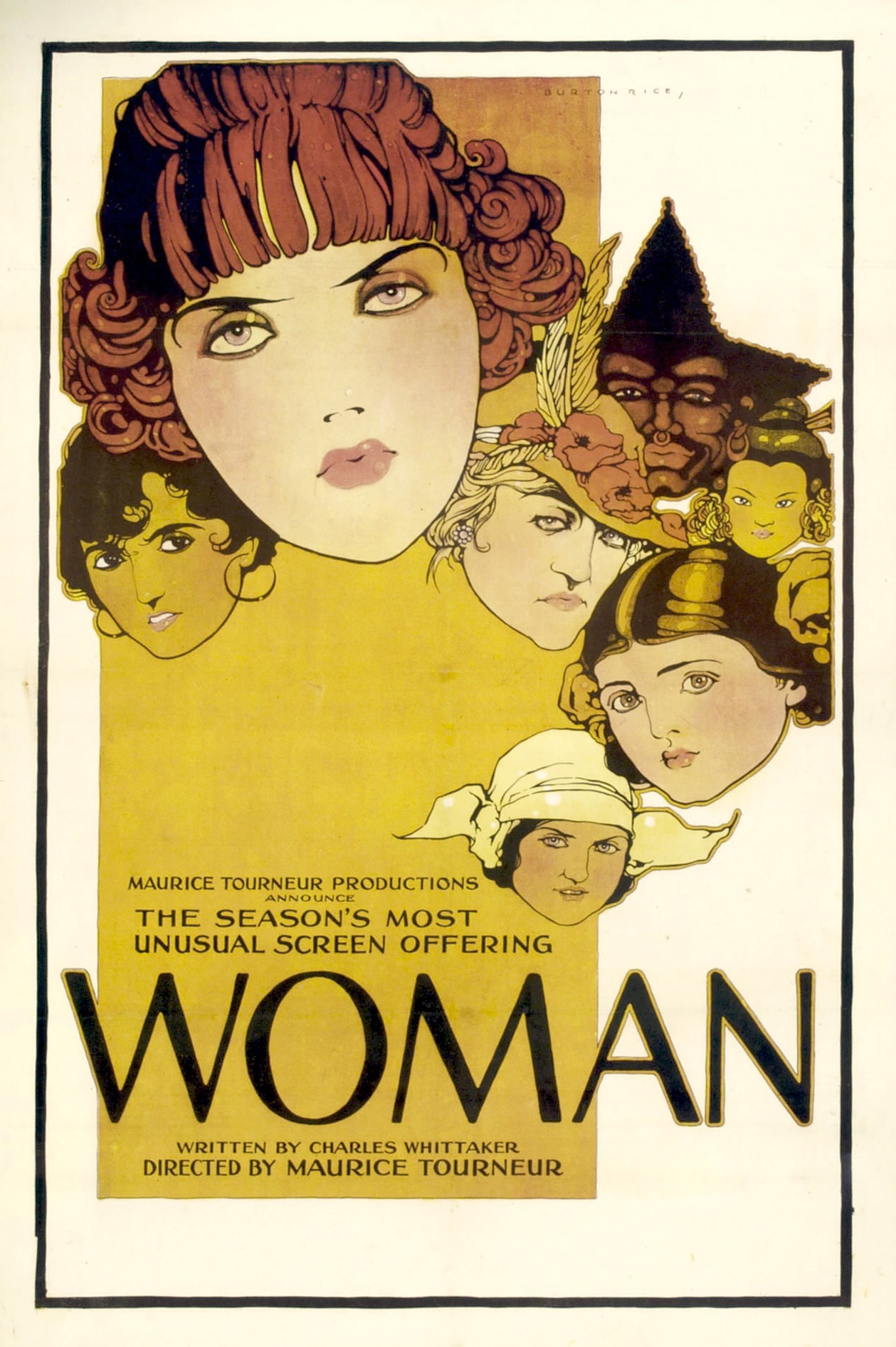
The fascination with the "other" and the dangerous woman reached a fever pitch with Die Spionin (1920), a film exploring the Dutch exotic dancer Mata Hari. As an accused spy, Mata Hari represented the ultimate outsider—a woman who moved between worlds and used her sexuality as a weapon of statecraft. This blend of eroticism and danger is a potent cocktail for cult devotion. It creates a figure that is both alluring and terrifying, a mystery that can never be fully solved. The strong man archetype also found its way into the fringe through Maciste und die Javanerin, where the legendary Maciste is faced with a mystery that requires more than just physical strength—it requires a navigation of the unknown.
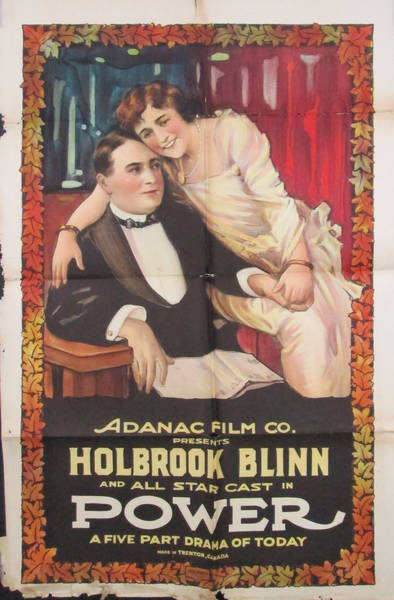
While the mainstream sought cohesive, linear storytelling, the films that would eventually influence cult aesthetics often experimented with narrative dissidence. Cheating Cheaters (1919) presents a world where two gangs of crooks mistake each other for wealthy families, leading to a comedy of errors that subverts the traditional morality play. This "crook vs. crook" dynamic removes the moral anchor for the audience, inviting them to revel in the chaos of the underground. Similarly, The Lights of New York (1916) used distinct, fragmented stories to portray the multifaceted nature of the city, suggesting that the urban experience is not one single narrative but a mosaic of disparate lives, many of them lived in the shadows of pawnbrokers and back alleys.
The shorter format also allowed for experiments in tone that larger features might shy away from. Shot in the Dumbwaiter (1914) offers a glimpse into the "gay life" vs. the "stay-at-home" life, using the mechanical device of the dumbwaiter as a conduit for a bizarre, almost surrealist encounter. Jimmy's Last Night Out and Circus Day utilized the comedic short to push boundaries of social decorum, while Flirting with Terror took the Western genre and injected it with a sense of heightened, almost absurd danger. These smaller works acted as the R&D department for the strange, testing how far an audience would go into the realm of the peculiar.
Many of these early films, such as Herregaards-Mysteriet or The Spirit of Cabin Mine, exist now only as whispers in the archives or as fragments of nitrate. Yet, their influence is undeniable. They established the rebel heart of cinema—the idea that a film could be more than just entertainment; it could be a sanctuary for the misunderstood. In The House Without Children (1919), the frank discussion of birth control and domestic longing was radical for its time, proving that cinema has always been a battleground for social ideas. What's Wrong with the Women? (1922) and A Woman's Experience (1918) furthered this by dissecting the boredom and temptations of the modern city, reflecting a world in flux.
The cult film is, at its core, an act of collective discovery. It is the audience finding value in what the mainstream has discarded. Whether it is the documentary realism of Britain Prepared (1915) or the harrowing Arctic survival in Rescue of the Stefansson Arctic Expedition, these films provide a window into experiences that are far removed from the everyday. They offer a sense of adventure and transgression that continues to inspire filmmakers and fans alike. When we watch a modern cult classic, we are seeing the echoes of William Voß. Der Millionendieb or the dramatic tensions of The Fighting Chance. We are witnessing the enduring power of the outlier.
As we look toward the future of cinema, the lessons of the early fringe remain more relevant than ever. In an age of algorithmic curation, the unpredictable energy of films like Be a Little Sport or the romantic tragedy of Evangeline (1919) reminds us that the best art often happens when no one is looking. The cult cinema movement is a testament to the fact that there will always be a place for the strange, the broken, and the beautiful. It is a nocturnal nexus where the ghosts of the silent era meet the rebels of today, ensuring that the spirit of the cinematic outlaw will never truly fade to black. The altar of the abnormal is always open, and the congregation is only growing larger.