
Cult Cinema
The Shadow’s Liturgy: Decoding the Primal Rebellion and Midnight Soul of Cinema’s Early Fringe Masterpieces
“An exploration into how the silent era’s most eccentric and overlooked films established the transgressive DNA of the modern cult movie.”
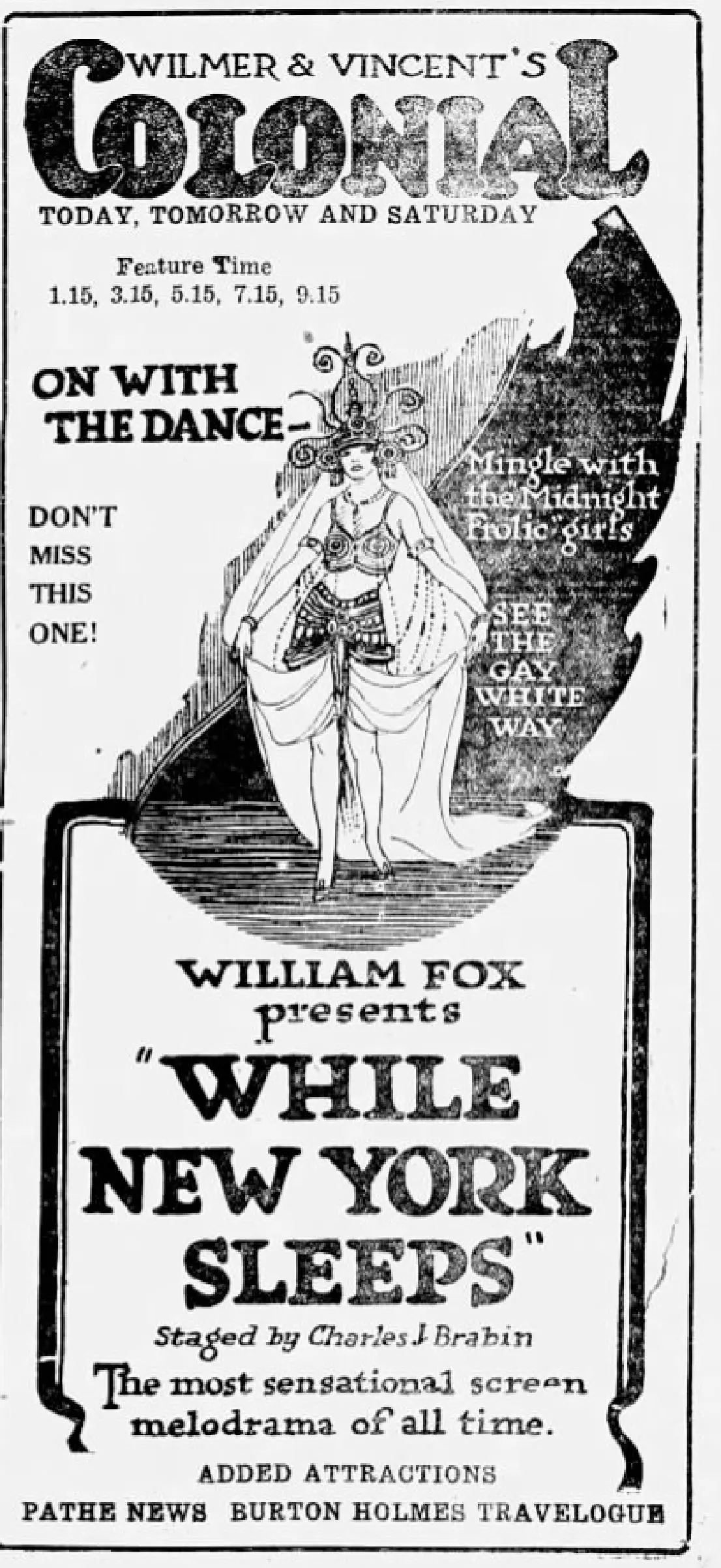
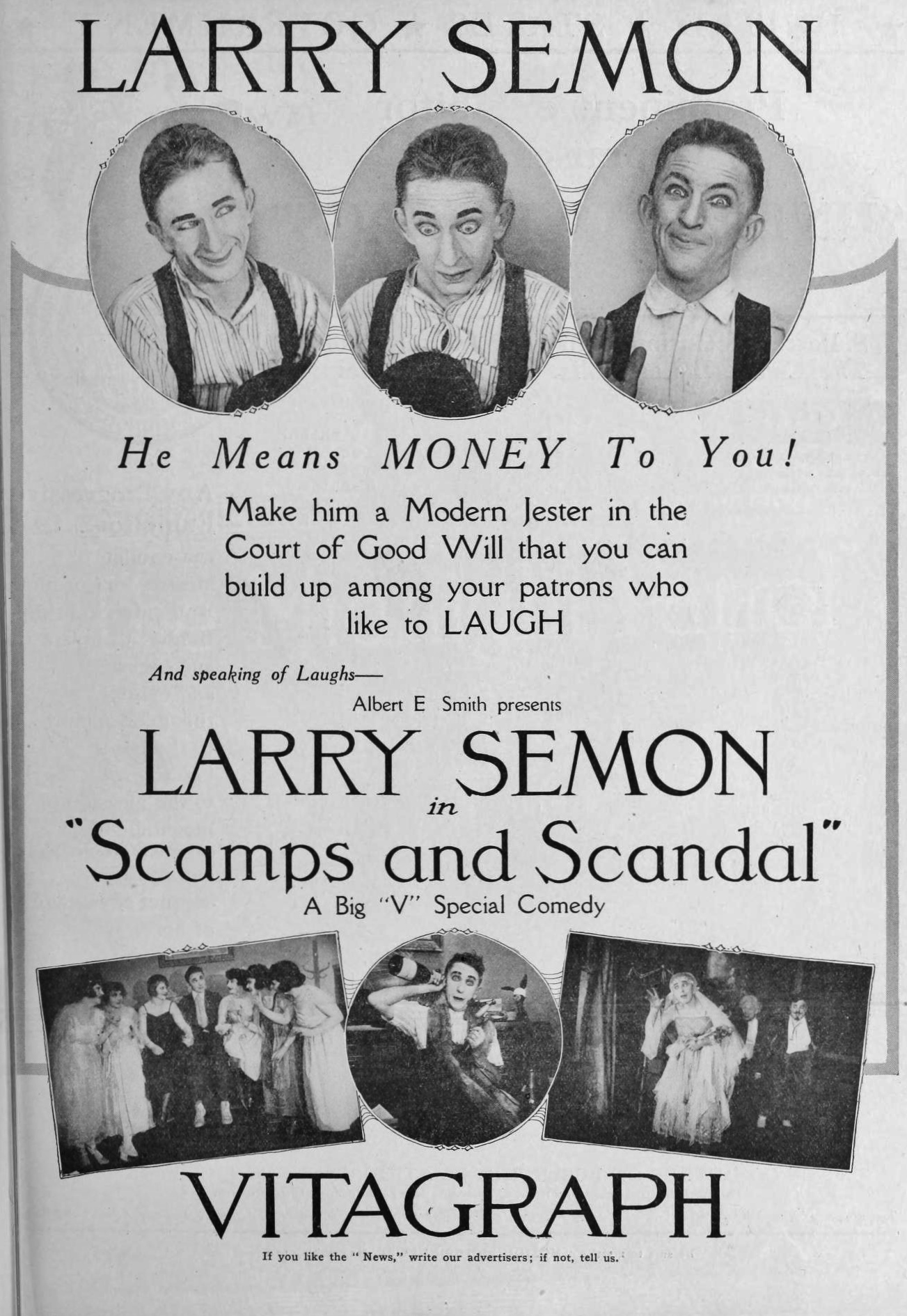
To understand the modern cult movie—that shimmering, often abrasive artifact of the midnight screen—one must look beyond the neon-soaked 1970s and the grindhouse era. The true genesis of the cinematic fringe lies much earlier, in a period of frantic experimentation and moral ambiguity that defined the first few decades of the moving image. Long before the term "cult classic" was coined, a collection of narratively daring, aesthetically bizarre, and socially defiant films was already carving out a space for what we now recognize as the midnight mindset. These early works, ranging from gritty urban dramas like While New York Sleeps to the surreal comedy of Scamps and Scandals, provided the genetic blueprint for every cinematic rebel that followed.
The Architecture of the Unconventional
Cult cinema is defined by its refusal to adhere to the status quo. In the early 20th century, this rebellion often manifested as a rejection of Victorian sensibilities or a fascination with the darker, more erratic corners of the human experience. Consider the 1921 production of Camille. While based on a well-known story of a courtesan, its execution in the silent era often leaned into a heightened, almost feverish romanticism that alienated mainstream moralists while attracting those who craved emotional intensity over traditional virtue. This is the first rule of the cult liturgy: the prioritization of style and subversion over mass-market palatability.
This architectural defiance is perhaps most evident in the way early films handled the concept of the anti-hero. In Shark Monroe, we are introduced to a captain of a sealing vessel who is described as "hard-bitten" and tough—a character far removed from the polished leading men of the era's prestige pictures. Shark Monroe represents the proto-cult protagonist: an outsider operating on the fringes of civilization, governed by a personal code that frequently clashes with societal expectations. This same spirit of the "rugged outlier" is echoed in Durand of the Bad Lands, where an outlaw becomes an unlikely savior, blurring the lines between criminality and heroism in a way that modern audiences would later celebrate in the works of Sergio Leone or Quentin Tarantino.
Surrealism and the Logic of the Absurd
If cult cinema has a second pillar, it is the embrace of the absurd. The early days of film were a laboratory for visual gags and narrative non-sequiturs that defy modern logic. Take, for instance, the climax of Scamps and Scandals, which features a high-speed chase involving a car and a bed. This isn't just slapstick; it is a manifestation of a dream-logic that would later become a hallmark of cult auteurs like David Lynch or Terry Gilliam. When we watch Down the Mississippi, where siblings dream of Huckleberry Finn-style adventures, we see the early cinematic screen functioning as a portal into the subconscious—a place where the rules of reality are suspended in favor of pure imagination.
Even the comedies of the era, such as The Smart Aleck or The New Mama, often possessed a frantic, almost manic energy that suggests a world teetering on the edge of chaos. In The Matrimaniac, the frantic elopement of Jimmy Conroy serves as more than just a plot point; it is a kinetic explosion of youthful defiance against the rigid structures of the wealthy elite. These films weren't just entertaining; they were disruptive, utilizing the medium's inherent "weirdness" to challenge the viewer's perception of the mundane.
The Taboo and the Tainted Gene
Perhaps the most potent ingredient in the cult cauldron is the exploration of the forbidden. Early cinema was surprisingly frank about subjects that would later be suppressed by the Hays Code. Married in Name Only presents a narrative hook that feels modern in its psychological cruelty: a mother ruins her son's wedding by claiming the family possesses "tainted genes" of insanity. This fascination with hereditary trauma and the fragility of the mind is a direct ancestor to the psychological horror and domestic thrillers that dominate cult circles today.
Similarly, And the Law Says tackles the fallout of an illegitimate pregnancy and a man's attempt to escape responsibility—a stark, unvarnished look at social consequences that bypassed the era's penchant for saccharine endings. These films functioned as a mirror to the anxieties of the time, reflecting a world that was far messier and more dangerous than the official narrative suggested. By confronting these taboos, films like A Daughter of the Poor—which delved into socialist ideas and class disparity—invited a level of intellectual engagement and controversy that ensured their longevity in the hearts of the cinematic underground.

The Cult of the Persona: Vamps, Clowns, and Outcasts
Cult cinema is often built around the magnetic pull of the "other." The silent era excelled at creating archetypes that felt alien yet deeply resonant. The "femme fatale" in La luz, tríptico de la vida moderna, a woman who remains indifferent to the prince's suffering, is an early iteration of the dangerous, untouchable icon that would later define the noir aesthetic. These characters weren't meant to be relatable; they were meant to be worshipped or feared, existing as celestial bodies around which the narrative orbited.
Even the figure of the performer was treated with a certain cultish reverence. The Clown (1917) offers a tragic look at a successful entertainer abandoned by his wife, tapping into the "sad clown" trope that has long been a favorite of the fringe. There is a inherent melancholy in these early character studies—a sense that the world is a stage where the most vibrant souls are often the most isolated. This theme of isolation is pushed to its extreme in Das Eskimobaby, where a young woman is brought from the Arctic to Berlin, her "otherness" serving as a catalyst for a critique of Western culture. The film’s focus on her pregnancy and the explorer's rescue of her creates a narrative that is both bizarre and oddly touching, embodying the transgressive empathy that is so central to the cult experience.
Genre Fusion: The Original Cinematic Mutants
Modern cult fans love a film that refuses to stay in its lane—a horror-comedy, a western-musical, or a sci-fi-noir. This tradition of genre-bending was alive and well in the early 20th century. The Thrill Chaser, starring Hoot Gibson, is a perfect example. It begins as a story about a motion-picture extra and evolves into an Arabian adventure involving a visiting prince and pugilistic displays. It is a dizzying blend of comedy, drama, and action that refuses to be categorized. Similarly, Salty Saunders blends the traditional Western with a crime drama involving the Texas Rangers and a vengeful ex-convict, creating a hybrid that feels more complex than the standard "white hat vs. black hat" fare of the time.
This fluidity allowed filmmakers to experiment with tone in ways that were often jarring. While New York Sleeps utilizes an anthology format—three stories with the same cast—to explore different facets of urban life, from burglars saving women to con men pulling a fast one on the "Great White Way." This structure anticipates the fractured, multi-perspective narratives of modern cult classics like Pulp Fiction. By breaking the linear mold, these films encouraged the audience to engage with the medium as a series of visual and emotional vibrations rather than a straightforward moral lesson.
The Legacy of the Forgotten Reel
Why do we return to these flickering, sometimes fragmented remains of the past? It is because they contain the primal fire of an art form that hadn't yet learned to be polite. Films like Tess of the Storm Country, with its squatters and false accusations of murder, or A Scandal in Bohemia, featuring the sharp-witted battle between Sherlock Holmes and an opera star, remind us that cinema was born from a desire to see the impossible and the impermissible. They represent a time when every frame was an act of discovery, and every plot twist was a potential scandal.
The enduring power of cult cinema lies in its ability to foster a sense of community among those who feel out of step with the mainstream. When we watch Fortune's Child—the story of a girl escaping drudgery through fairy tales—we are watching a metaphor for the cinematic experience itself. We are the outcasts, the dreamers, and the rebels, finding solace in the shadows of the screen. The early pioneers who created The Place of Honeymoons or William Hohenzollern Sausage Maker weren't just making movies; they were building a sanctuary for the unconventional.
Conclusion: The Eternal Midnight
As we look back at the 50 films that have inspired this journey—from the high-speed beds of Scamps and Scandals to the tainted genes of Married in Name Only—we see a clear through-line to the modern day. The cult movie is not a genre; it is a spirit of resistance. It is the belief that the most interesting stories are found in the margins, and that the most beautiful visions are often the most distorted. These early masters of the fringe taught us how to watch, how to obsess, and how to find meaning in the flicker of the forgotten reel. As long as there are filmmakers willing to embrace the weird, the wild, and the unholy, the liturgy of the shadow will continue, ensuring that the soul of cult cinema remains as vibrant and subversive as it was a century ago.
Community
Comments
Log in to comment.
Loading comments…