
Cult Cinema
The Unseen Tapestry: Weaving the Enduring Allure of Cult Cinema from its Earliest Threads
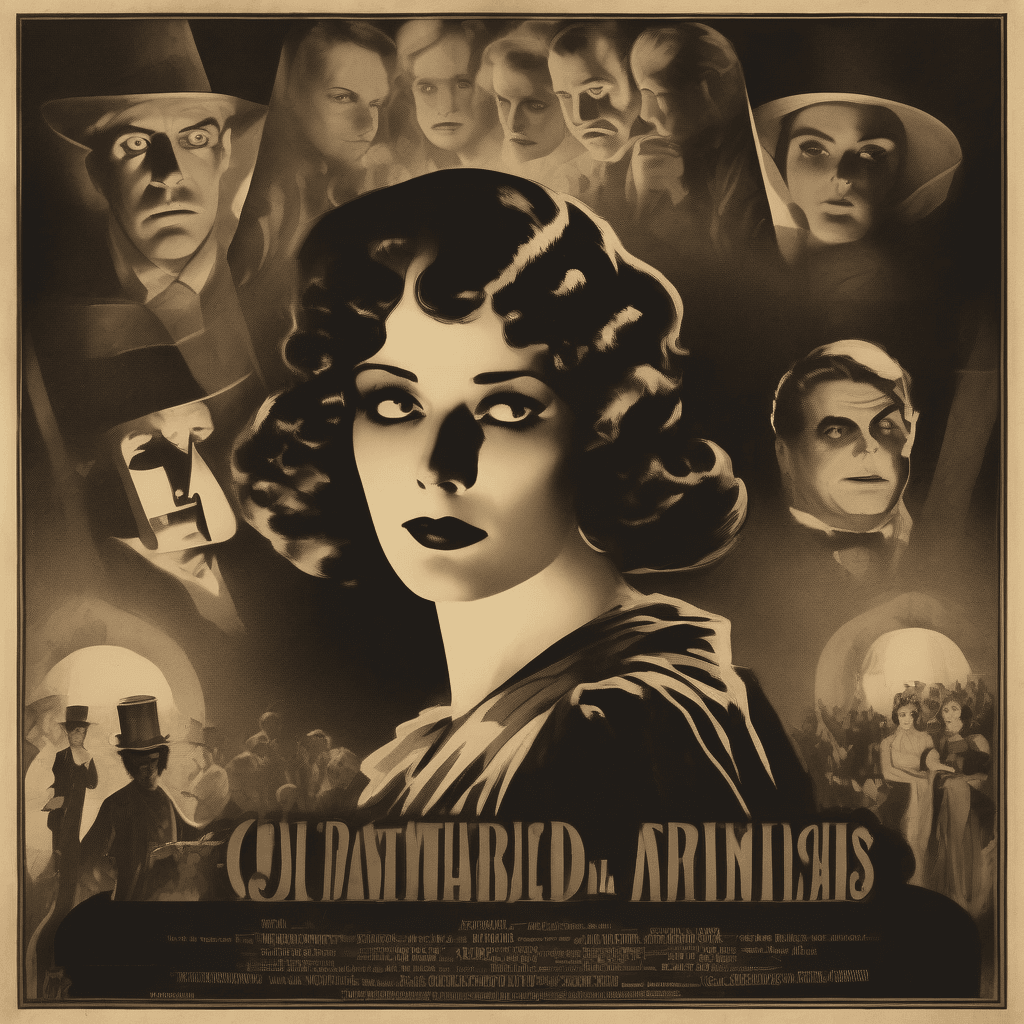
“Cult cinema thrives on the unconventional, drawing devoted audiences to films that defy mainstream categorization. This deep dive explores how the foundational elements of this enduring cinematic phenomenon were woven into the very fabric of early film, long before the 'midnight movie' era.”
Cult cinema. The very phrase conjures images of fervent midnight screenings, audience participation, and narratives that challenge, provoke, and often bewilder. It's a realm where artistic ambition often eclipses commercial viability, where the strange and the sublime intertwine, and where films find an enduring, almost sacred, life beyond their initial release. But where did this peculiar cinematic devotion truly begin? Beyond the familiar touchstones of the 1970s and 80s, the roots of cult cinema run far deeper, stretching back to the silent era, where the seeds of subversion, grand spectacle, and narrative audacity were first sown.
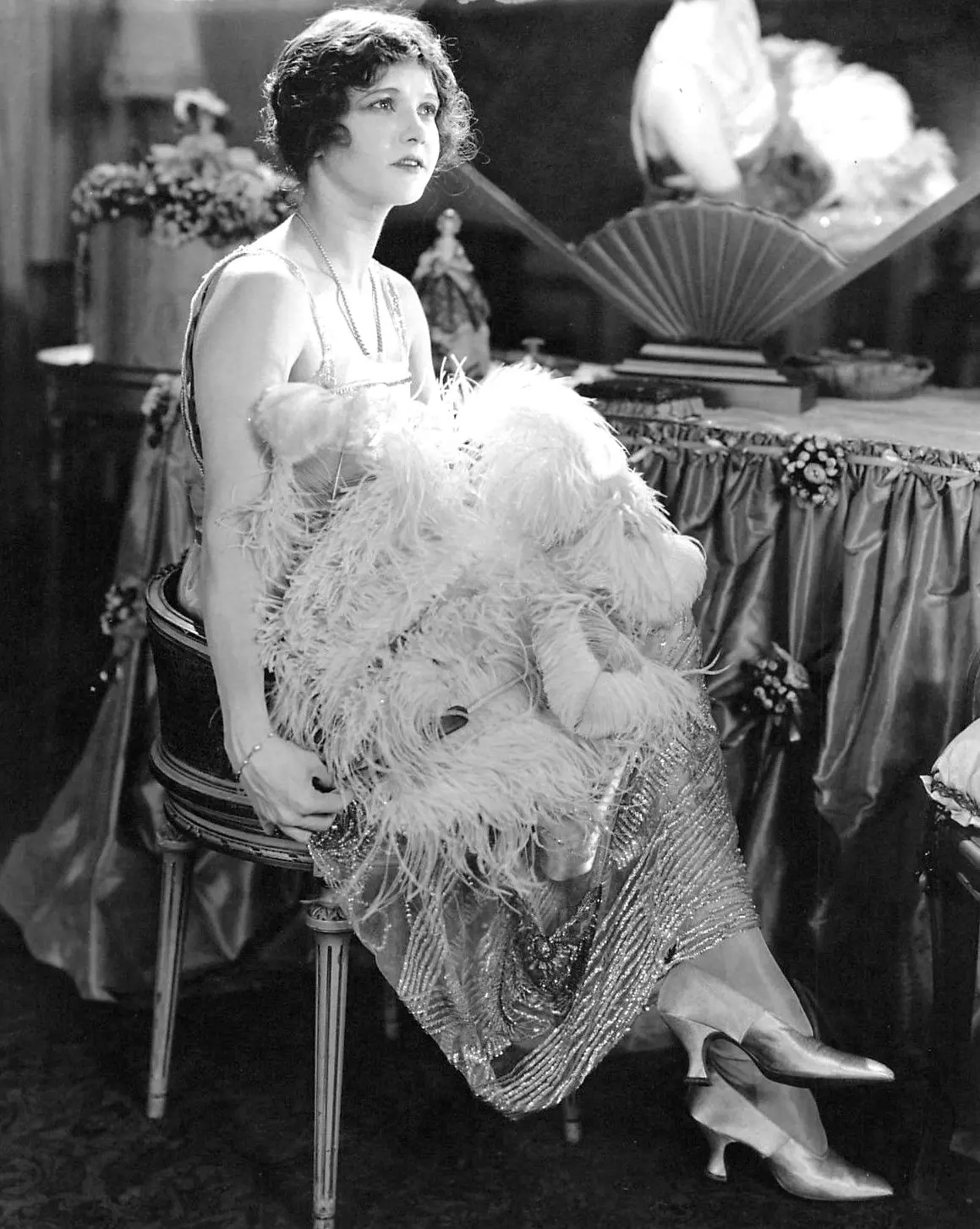
The Genesis of the Maverick Vision: Early Cinema's Unsung Outliers
Before 'cult film' was even a whisper in the lexicon, early cinema was a wild, untamed frontier. Filmmakers were experimenting with form, narrative, and audience engagement in ways that, in retrospect, laid the groundwork for the unconventional. These were the proto-cult films, often overlooked by mainstream historians but brimming with the raw energy and defiant spirit that would later define the genre.
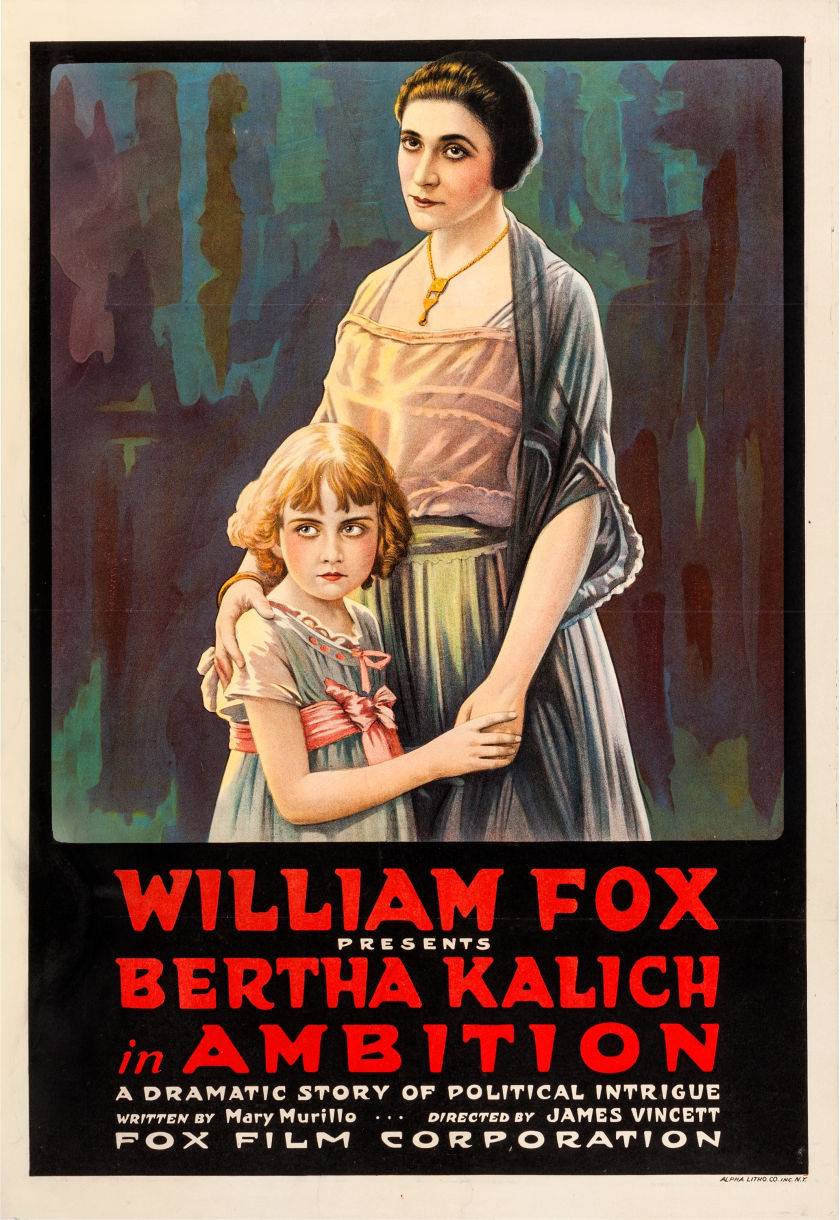
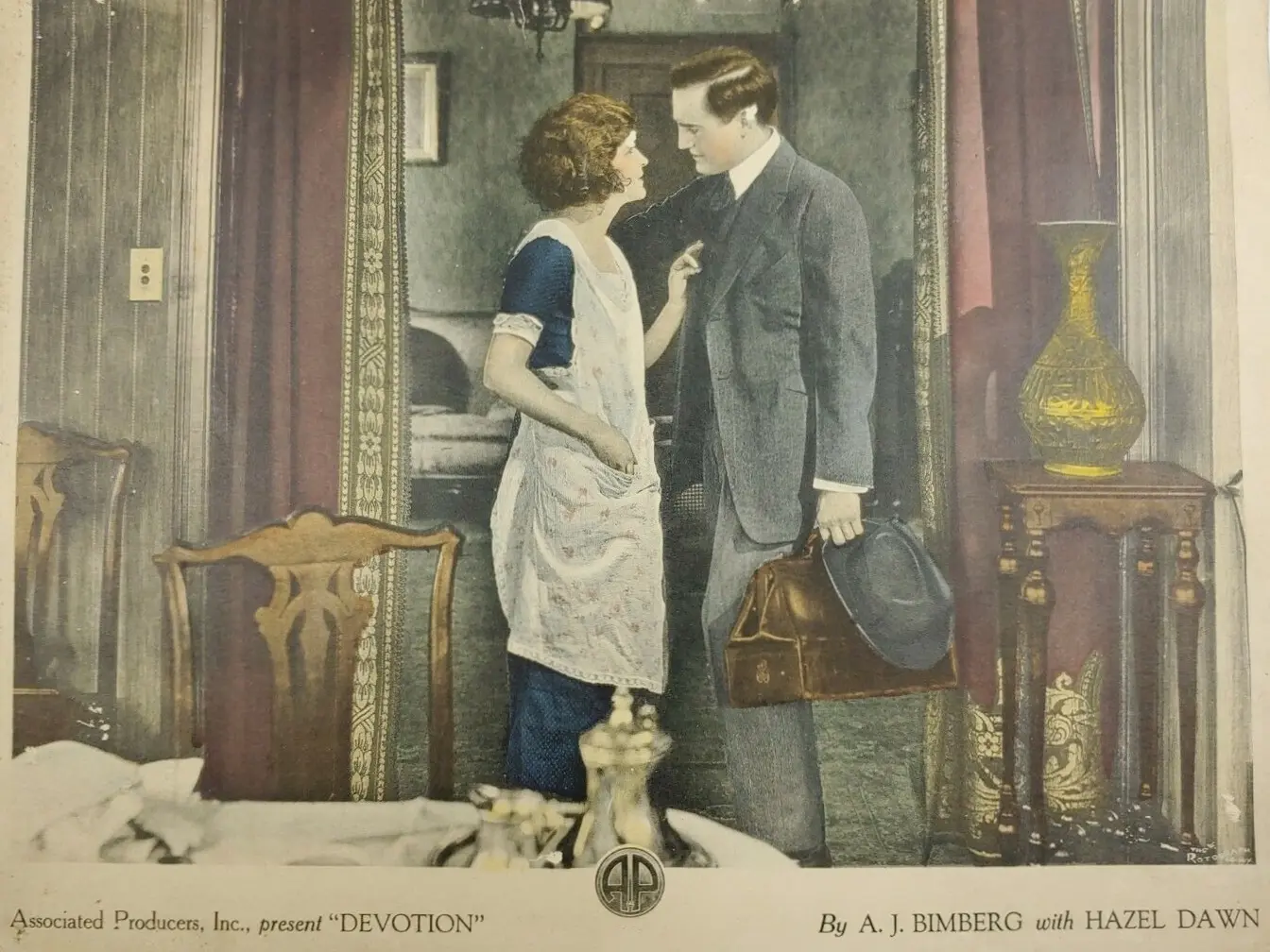
Consider the grand, often melodramatic narratives that captivated early audiences. Films like Intoxication or Her Second Husband, while seemingly conventional domestic dramas, explored themes of moral decay, societal judgment, and personal downfall with an intensity that could be unsettling. The dramatic arcs, often exaggerated for the silent screen, created a heightened reality that, for some, resonated on a deeply visceral level. This early penchant for exploring the dark underbelly of human nature, even within the confines of morality plays, foreshadowed cult cinema's later fascination with taboo and transgression.
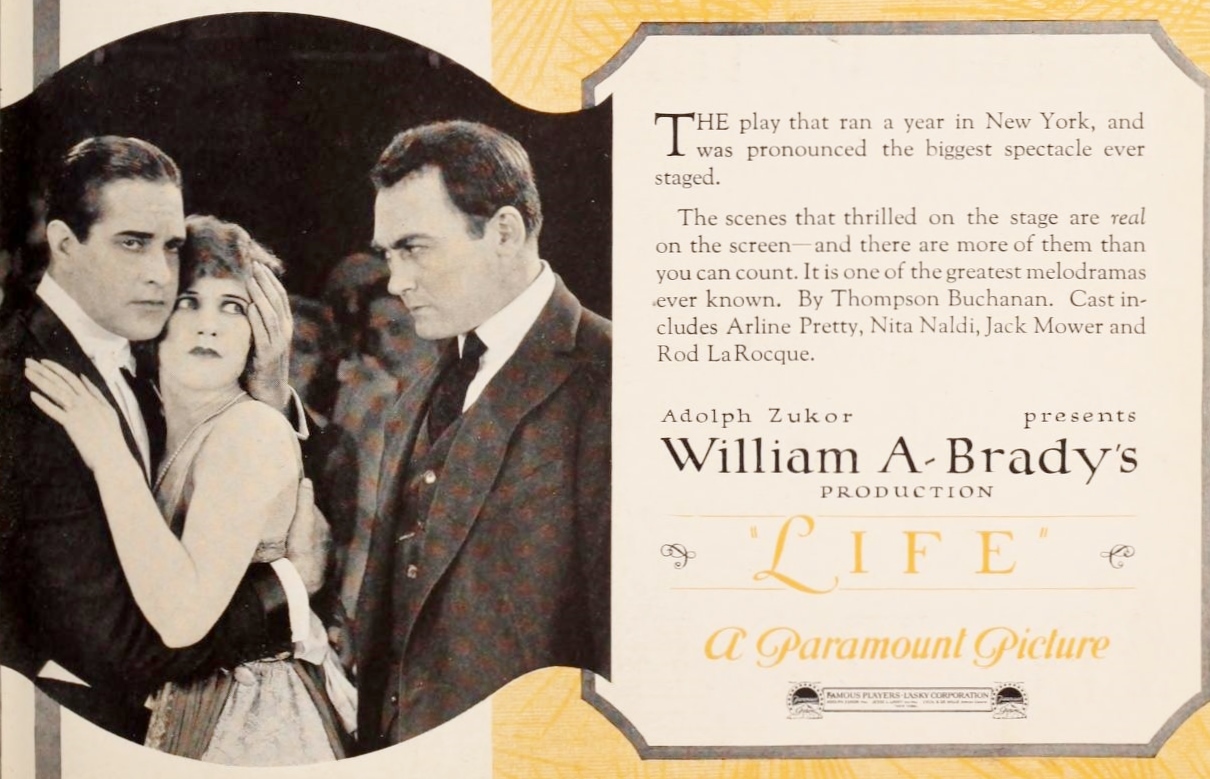
Similarly, biographical and historical epics, such as Carl Theodor Dreyer's Joan of Arc or the audacious Salomé, pushed boundaries not just in scale but in their psychological depth and controversial subject matter. Salomé, with its opulent sets and expressionistic intensity, delved into themes of forbidden desire and shocking violence, elements that would become hallmarks of many a cult classic. These films, often ahead of their time, demanded an active, engaged viewer, inviting them to grapple with complex ideas that transcended simple entertainment.
Narrative Anarchy and The Embrace of the Grotesque
Cult cinema often revels in narrative anarchy, breaking free from conventional storytelling structures. This inclination, too, has roots in early film. While many early films adhered to linear plots, there were always those that dared to be different. The slapstick comedies of the era, exemplified by Charlie Chaplin's Sunnyside or shorts like Four Times Foiled and The Society Bug, thrived on chaos, absurdity, and a joyful disregard for realism. This embrace of the bizarre, the exaggerated, and the outlandish is a direct precursor to the surrealism and dark humor found in later cult masterpieces.

The grotesque, too, found its early footing. While not explicit horror in the modern sense, the dramatic intensity of films like The Green-Eyed Monster or the moral dilemmas in The Price and A Wife by Proxy often presented characters in extremis, grappling with jealousy, betrayal, and desperation. These narratives, while perhaps intended for moral instruction, inadvertently showcased the darker, more unsettling aspects of the human condition, inviting a fascination with the morally ambiguous and the visually striking depiction of suffering or villainy.
The Power of the Visceral: Spectacle and Sensation
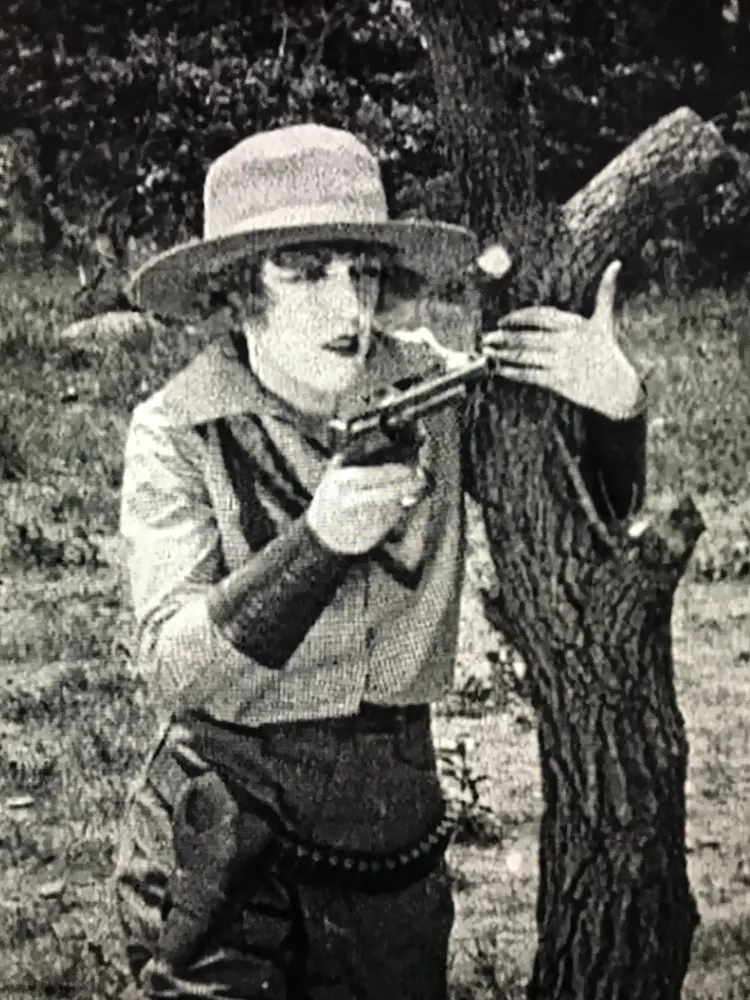
Early cinema was a medium of spectacle and sensation. Before sound, filmmakers relied heavily on visual storytelling, grand gestures, and dramatic set pieces to captivate audiences. Adventure serials like Daredevil Jack or The Lion Man provided thrilling escapism, featuring daring stunts and exotic locales. Westerns like Durand of the Bad Lands and Medicine Bend offered archetypal heroes and villains, fierce landscapes, and a sense of untamed freedom. This focus on the visceral, on action that communicated directly to the senses, became a core component of many cult films, which often prioritize unique visual styles and intense experiences over conventional narrative polish.

Even seemingly straightforward dramas had elements of this. The emotional outpourings of characters in The Emotional Miss Vaughn or the dramatic confrontations in The Capitol relied on exaggerated performance to convey meaning, a theatricality that cult audiences often cherish for its bold, unapologetic nature. The circus setting of Howling Lions and Circus Queens, for instance, perfectly encapsulates this early fascination with the extraordinary and the performative.

Identity, Transformation, and the Outcast Archetype
A recurring theme in cult cinema is the exploration of identity, often through characters who are outsiders, rebels, or undergoing radical transformations. This archetype is clearly visible in early films. Stories like The Amazing Impostor or The Cave Man feature protagonists who defy societal expectations, assume new identities, or challenge the norms of their social circles. These narratives, even if concluding with a return to convention, tapped into a universal desire for self-reinvention and rebellion against stifling expectations.
The idea of the 'misfit' finding their place, or consciously choosing a path outside the norm, is a powerful draw. Films like The Girl Who Couldn't Grow Up, despite its lighthearted title, hints at a resistance to conventional maturation, while Footlights explores an actress seeking authenticity away from the glamour of the stage. These early explorations of individual agency and the struggle against predefined roles provided fertile ground for the more explicit counter-cultural narratives that would emerge decades later in cult cinema.

The Allure of the Forbidden and the Unconventional
Even within the moralistic framework of early 20th-century society, films found ways to explore themes that skirted the edges of acceptability. The dramatic choices in On Dangerous Paths or the societal pressures faced by characters in Beauty in Chains or The White Sister, highlighted the consequences of defying convention. While not overtly transgressive by modern standards, these films subtly challenged the status quo, presenting characters who dared to love outside societal bounds or question established institutions.
The very act of watching a film in a darkened theater was, for many, an escape, a chance to witness lives and choices far removed from their own. Films with titles like Hidden Dangers or Price of Treachery; Or, The Lighthouse Keeper's Daughter promised thrills and moral ambiguity, drawing audiences into narratives that toyed with fear, temptation, and the unknown. This early fascination with the slightly forbidden, the morally complex, and the emotionally charged laid the groundwork for the more explicit explorations of taboo that would become central to cult cinema.
From Obscurity to Oracle: The Enduring Power of Rediscovery
A defining characteristic of cult films is their journey from initial obscurity or critical dismissal to eventual adoration. Many early films, though perhaps popular in their day, were later forgotten, only to be rediscovered by cinephiles who recognized their unique artistry or historical significance. This process of rediscovery is vital to the cult phenomenon, transforming forgotten reels into revered artifacts.
Consider the sheer volume of films produced in the early 20th century, many of which are now lost or survive only in fragmented form. Those that endure, like the grand narratives of Hamlet (even in its early cinematic interpretations) or the dramatic intensity of The Firebrand, often do so because they possess a timeless quality, an artistic vision that transcends their era. This enduring quality, combined with a certain 'otherness' or departure from the mainstream, is what allows films to become cult objects.
The films that were perhaps 'too much' for their time – too dramatic, too strange, too morally ambiguous – are precisely the ones that often find a devoted following years later. They are the unseen currents, the anomalous aesthetics that, when viewed through a modern lens, reveal a surprising depth and resonance. The Danish films like Slægternes Kamp or Kærlighedsleg, or the German Das Land der Sehnsucht, might have been niche even then, but their very existence points to a global cinematic landscape ripe for diverse, often challenging, storytelling.
The Shared Experience: Community and Collective Meaning-Making
At its heart, cult cinema is about community. It’s about shared passion, collective interpretation, and the joy of belonging to an exclusive club of devotees. While the midnight movie circuit famously codified this communal viewing experience, its genesis can be traced back to the very origins of cinema itself. Early film exhibition was a communal event, a shared spectacle that captivated audiences in a way no other medium could. The gasps, the laughter, the collective emotional response to films like Life's a Funny Proposition or the tension in The Missing Bullet created a bond among viewers.
As films became more sophisticated, and narratives more complex, audiences began to form attachments to specific genres, stars, or types of stories. This nascent fandom, while not yet organized into the sophisticated communities we see today, was the fertile ground from which cult followings would eventually blossom. The shared experience of being moved, shocked, or entertained by a film that felt unique or spoke to a particular sensibility is the primordial pulse of cult devotion.
The Enduring Legacy: Why These Early Threads Still Matter
The films of the early 20th century, from the thrilling adventures of Hands Down and Cameron of the Royal Mounted to the intricate melodramas of The Spindle of Life and Trixie from Broadway, were more than just entertainment. They were cultural artifacts that reflected and shaped the nascent language of cinema. They explored themes of love, loss, ambition, treachery, and heroism with a raw, unfiltered energy. While many were mainstream successes, some, through their unique vision or challenging content, laid down the genetic blueprint for cult cinema.
These early cinematic experiments, often operating without the rigid genre definitions or commercial pressures of later eras, were free to be wonderfully weird, deeply emotional, or overtly theatrical. They taught audiences how to engage with moving images, how to suspend disbelief, and how to find meaning in unconventional narratives. The films that depicted individuals fighting against the system, like Philip Holden - Waster, or those that showcased the dramatic consequences of moral failings, resonated deeply.
Ultimately, the enduring mystique of cult cinema lies in its ability to connect with audiences on a profound, often personal level. It's about finding oneself reflected in the strange, the outcast, or the misunderstood. And the journey to this understanding begins not in the neon glow of a midnight marquee, but in the flickering shadows of the early celluloid fringe, where the unconventional was born and the language of cinematic devotion first began to speak.
The spirit of innovation, the willingness to experiment, and the inherent theatricality of films like Vera, the Medium or Nearly Married, contribute to this rich tapestry. They are the spectral echoes, the primal pulse that continues to resonate through every subsequent cult classic, reminding us that true cinematic power often resides not in critical acclaim or box office glory, but in the hearts and minds of those who refuse to let a film be forgotten. The unseen tapestry of cult cinema is woven from these threads, creating a vibrant, ever-evolving legacy of rebellion and adoration.
Community
Comments
Log in to comment.
Loading comments…